
How to Choose VivaRays Blue Light Filter in Glasses, Red Light Glasses, and Blocks Glasses for Evening Screen Use

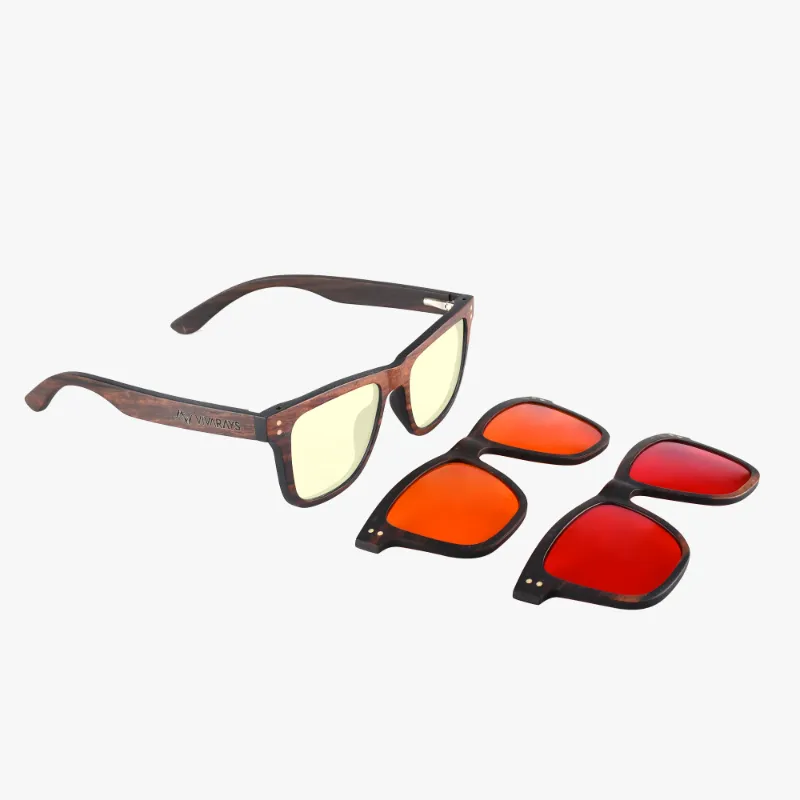
A blue light filter in glasses is the practical starting point for VivaRays evening screen use, then you choose red light glasses or blocks glasses when you want a stronger, more sleep-focused filter. We look at these as tools for different parts of the day, not as magic fixes, so the right pair depends on when you wear them, what screens you use, and how sensitive your eyes feel at night.
VivaRays is built around light management products, including blue light lenses, red light glasses, blocks glasses, night vision glasses, driving glasses, wax earplugs, and sleep accessories. For current pricing or the active VivaRays offer, use our VivaRays code page before you buy.
How a Blue Light Filter in Glasses Fits Evening Screen Use
A blue light filter in glasses is meant to reduce selected wavelengths from screens and indoor lighting while still letting you see your laptop, tablet, or phone clearly. That makes it the most flexible option if you work late, stream at night, or want less harsh screen light without making everything look overly dark.
The key is matching the lens strength to the job:
- Light evening work: choose clear or lightly tinted blue lens glasses for computer tasks where accurate color still matters.
- Late-night scrolling: move toward warmer lenses if your goal is winding down, not editing photos or shopping.
- Bedtime routine: consider red light glasses or blocks glasses if you want a more aggressive filter before sleep.
- Driving or glare: use dedicated driving glasses, night glare glasses, or eyeglass night vision rather than general screen glasses.
If you are asking “do blue light glasses work,” the honest answer is that evidence is mixed for broad medical claims, but many people still find them useful for comfort, glare control, and building a better evening routine. Mayo Clinic’s overview, Are blue light-blocking glasses a must-have?, is a balanced background read if you want the science without hype.
VivaRays Blue Light, Red Light Glasses, and Blocks Glasses Compared
The best blue light blocking glasses for you are not always the darkest pair. A moderate lens can be better for actual computer work, while deeper filters are better when you are done being productive and want your room to feel dimmer.
| VivaRays option | Best use | What to expect |
|---|---|---|
| Blue light lens glasses | Evening computer work, TV, phone use | Less harsh screen light while keeping daily tasks practical |
| red light glasses | Pre-bed routine, strong nighttime filtering | A warmer view that is less suited to color-sensitive tasks |
| blocks glasses | Maximum evening light reduction | More noticeable tint for users who want a stricter wind-down setup |
| Night vision or glare eyewear | Driving and low-light glare control | Built for headlights, reflections, and night contrast rather than screens |
We would start with blue light lenses if you need one pair for work and entertainment. If your main use is the last hour before bed, red light glasses or blocks glasses make more sense because their stronger tint supports a clearer boundary between “screen time” and “sleep time.”
Avoid buying only by marketplace popularity, including searches like blue light glasses Amazon, because the lens type, tint level, return policy, and intended use matter more than a generic listing name. If you are comparing VivaRays with other options, check the product page for details, then check the latest price through our VivaRays coupon page.
Choosing Lens Color, Tint Strength, and Timing
The most important buying decision is not the frame shape. It is when you plan to wear the glasses.
If you work on screens after dinner
Choose a blue light filter in glasses that is comfortable enough to wear for a full work block. You want readable text, low reflection, and a tint that does not make spreadsheets, design tools, or video calls feel awkward.
Good fit signs:
- You can read small text without squinting.
- White pages look calmer, not muddy.
- The lens does not distract you after a few minutes.
- You are willing to wear them consistently.
If you want a stronger sleep routine
Choose red light glasses or blocks glasses for the final part of the night. These are better suited to relaxing, reading on a device, or watching something casual than to doing color-critical work.
This is where blue light blocking glasses benefits are most practical. The glasses help create a behavioral cue: when they go on, the day is winding down. Pair them with lower screen brightness, warm device settings, and dimmer room lighting for a more complete routine.
If you drive at night
Do not assume computer glasses are the right tool for headlights and road glare. Look at VivaRays night vision glasses, night glare glasses, driving glasses, or eyeglass night vision options instead. These categories serve a different buyer intent: clearer comfort around headlights, wet roads, and low-light contrast.
Fit, Frame Comfort, and Materials to Check
Comfort decides whether you actually use the glasses. A technically impressive lens is not helpful if it pinches your nose, slips down your face, or feels heavy during a long Netflix session.
Before buying, check:
- Frame width: it should sit naturally without squeezing your temples.
- Nose bridge: look for a stable fit that does not slide when you look down.
- Lens coverage: larger lenses may block more side light, which can help at night.
- Weight: lighter frames are easier for long work blocks.
- Prescription needs: confirm whether the product is non-prescription, over-glasses friendly, or available in a prescription-compatible format.
If you already wear prescription eyewear, look closely at whether VivaRays offers an option that fits over your current pair or whether you need a separate solution. If you use contacts, you may have more flexibility with frame style.
For a broader comparison perspective, Wirecutter’s guide to The 4 Best Blue-Light Blocking Glasses of 2026 is useful for understanding how testers think about comfort, tint, and usability. We still recommend checking the specific VivaRays product page before buying because inventory, lens options, and policies can change.
Building a Complete Evening Setup Around VivaRays
Glasses help, but your whole evening environment matters. If you are sensitive to light, sound, or late-night stimulation, VivaRays accessories can work together as a routine rather than as separate impulse buys.
A simple setup could look like this:
- Wear blue light lenses during late work or TV time.
- Switch to red light glasses or blocks glasses for the final wind-down window.
- Lower device brightness and use warm display settings.
- Use wax ear plugs or wax earplugs if household noise keeps you alert.
- Add a cotton sleep mask if streetlights, device LEDs, or early sunrise disrupt your room.
Some shoppers also look at emf free headphones for a lower-distraction audio setup. We would treat those separately from eyewear: useful if they match your listening habits, but not a substitute for light control.
If you are buying more than one item, it is worth checking the store coupon page before checkout so you can grab the code if an offer is available.
Care Tips So the Glasses Stay Clear
Blue light glasses, red light glasses, ultraviolet glasses, and driving glasses all need the same basic care: keep the lenses clean, avoid scratches, and store them where they will not bend.
Use this care routine:
- Rinse dust or grit before wiping so you do not drag particles across the lens.
- Use a microfiber cloth rather than paper towels or clothing.
- Keep glasses in a case when they are in a bag or nightstand drawer.
- Avoid leaving frames in hot cars, especially if the lenses or coatings are heat-sensitive.
- Clean nose pads and hinges occasionally so oils do not build up.
If the lenses start feeling cloudy even after cleaning, check the manufacturer’s care guidance. Coatings can be damaged by harsh cleaners, so do not assume household glass spray is safe for eyewear.
Who Should Choose Each VivaRays Option?
Choose the VivaRays option based on your main problem, not on the most dramatic lens color.
| Buyer type | Best VivaRays direction | Why it fits |
|---|---|---|
| Late worker | Blue light lens glasses | Practical tint for screens, typing, and reading |
| Sleep-routine optimizer | Red light glasses or blocks glasses | Stronger evening cue and deeper filtering |
| Night driver | Driving glasses, night glare glasses, or night vision glasses | Built around glare and low-light comfort |
| Light-and-noise sensitive sleeper | Glasses plus sleep mask or wax earplugs | Supports a fuller wind-down routine |
Our practical pick is to start with the least disruptive lens that solves your actual issue. If screen glare and eye comfort are the problem, a blue light filter in glasses is the most wearable first choice. If your issue is staying too alert late at night, step up to red light glasses or blocks glasses and pair them with dimmer lighting habits.
Frequently asked questions
Should I choose a blue light filter in glasses or red light glasses first?
A blue light filter in glasses can be a better first choice if you still need to work, read, or watch TV comfortably in the evening. Red light glasses are usually better for a stronger wind-down routine closer to bedtime.
Do blue light glasses work for evening screen use?
They can help some people with glare comfort and evening habits, but they are not a guaranteed medical fix. For best results, pair them with lower screen brightness, warmer device settings, and dimmer room lighting.
When should I use VivaRays blocks glasses?
Blocks glasses are the stronger option when you want more noticeable light filtering before sleep. They may be less practical for color-sensitive work, so we would use them later at night rather than during detailed computer tasks.
Can I use VivaRays screen glasses for night driving?
Use dedicated driving glasses, night glare glasses, or night vision glasses for headlights and low-light driving. Screen-focused blue light lenses are not the same as eyewear designed for road glare.
Are cotton sleep masks and wax earplugs worth adding?
A cotton sleep mask can help if unwanted light reaches your room, while wax earplugs can help reduce nighttime noise. They work best as part of a routine with dimmer lights and consistent bedtime habits.