
How to Care for VivaRays Ultraviolet Glasses, Driving Lenses, and Glare Resistant Glasses So They Last Longer

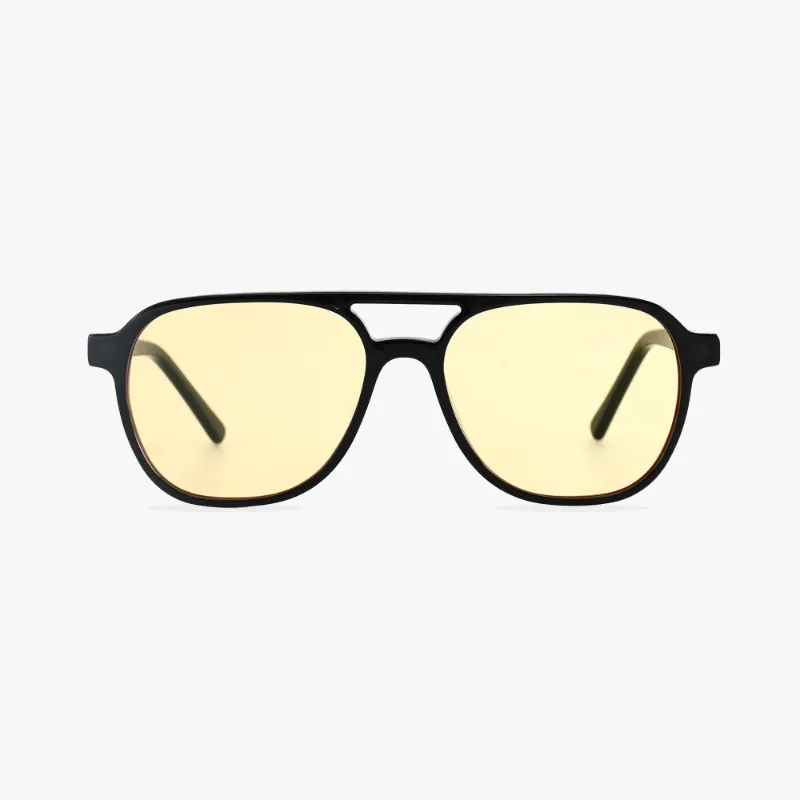
Glare resistant glasses last longer when you clean them gently, store them in a hard case, avoid heat, and keep the lenses away from grit before wiping. For VivaRays shoppers, that care routine matters across ultraviolet glasses, driving glasses, night glare glasses, and blue light filter in glasses because the lens surface is the part doing the most daily work. We focus on habits that protect clarity, comfort, and coatings without guessing at product specs or current pricing, which you can always check on our VivaRays code page.
How Glare Resistant Glasses Should Be Cleaned
The safest cleaning method is simple: remove loose dust first, then clean with a lens-safe cloth and mild moisture. Most scratches happen when people rub dry grit across the lens, not when the glasses are being worn.
Use this routine after driving, computer work, or outdoor use:
- Rinse or lightly blow away visible dust before touching the lens.
- Use a clean microfiber cloth, not a shirt, towel, or napkin.
- Wipe in small circles with light pressure.
- Let frames air-dry before putting them back in a case.
- Wash the microfiber cloth regularly so it does not carry grit back onto the lenses.
This is especially useful for anti glare glasses for computer use and glasses with anti reflective coating for night driving, where smudges and oil can create distracting halos. For background on how anti-reflective lens surfaces are meant to reduce reflections, see this overview of anti-reflective coating on glasses.
Avoid these common shortcuts:
- Paper towels, tissues, and rough cloths
- Household glass cleaner or alcohol wipes unless the maker specifically allows them
- Cleaning lenses while sand, dust, or pocket lint is still on the surface
- Leaving wet lenses in a closed case for long periods
Caring for VivaRays Ultraviolet Glasses, Driving Glasses, and Night Vision Glasses
Different lens types get used in different conditions, so the care routine should match how you wear them. Driving glasses and night glare glasses often live in cars, while ultraviolet glasses may see more outdoor dust, sweat, and sunscreen residue.
| Product Type | Main Exposure | Best Care Habit |
|---|---|---|
| Ultraviolet glasses | Sun, sweat, sunscreen | Clean after outdoor use and avoid hot dashboards |
| Driving glasses | Car dust, fingerprints, heat | Store in a case, not the console or visor |
| Night vision glasses | Low-light glare, road grime | Wipe only after removing dust from lenses |
| Blue light filter in glasses | Skin oil, desk dust | Keep a microfiber cloth at your workstation |
The car is one of the hardest places on eyewear. Heat can stress frames, and loose storage can put lenses against keys, coins, or gritty cup holders. If your VivaRays pair is mainly for commuting, keep the case in a door pocket or bag rather than leaving the glasses bare on the dashboard.
For night vision glasses and eyeglass night vision options, clean both sides of the lenses before evening driving. Even a small fingerprint can feel bigger at night because headlights, wet pavement, and reflections make clarity more important.
Storage Rules for Night Glare Glasses and Blocks Glasses
Good storage is not fancy, but it is consistent. Any pair used as glare resistant glasses should go lens-up in a case when you are not wearing it. That one habit prevents most avoidable scuffs.
Use these storage rules:
- Keep glasses in a hard or structured case when traveling.
- Do not drop them loose into a backpack, purse, gym bag, or glove box.
- Avoid storing them near heat vents, radiators, sunny windows, or dashboards.
- Keep wax ear plugs, wax earplugs, and other small accessories in a separate pouch so they do not rub against lenses.
- Store cotton sleep mask items separately if they use hook-and-loop closures or textured fabric.
Blocks glasses, red light glasses, and blue light filter in glasses are often used around desks and beds, which creates a different problem: people set them face-down. Make the case part of the routine. If you remove glasses before sleep, put the case on the nightstand where your hand naturally lands.
For shoppers comparing eyewear types or deciding where to buy, our VivaRays page is the easiest place to grab the code and check current availability without relying on outdated pricing claims.
Cleaning Anti Glare Glasses for Computer and Picture Use
Anti glare glasses for computer work and anti glare glasses for pictures have one shared enemy: fingerprints. Finger oils scatter light, make screens look hazier, and can show up in photos under bright lighting.
For desk use, keep a dedicated cloth next to your keyboard and do a quick clean before long work blocks. If you use blue light filter in glasses, do not treat them like ordinary desk clutter. The more often they sit lens-down next to a laptop, the more likely they are to pick up fine scratches from crumbs, dust, or metal surfaces.
For photos, clean the lenses and frame edges before stepping in front of the camera. Smudges near the bridge and lower lens are common because that is where hands naturally adjust the frame. If reflections still show, adjust the light angle rather than over-cleaning the lens.
A helpful rule: clean only when needed, but clean correctly every time. Over-wiping with a dirty cloth is worse than leaving a tiny speck alone until you can clean it properly.
Disadvantages of Anti Glare Glasses When You Care for Them Poorly
The main disadvantages of anti glare glasses usually come from bad maintenance, not from the idea of anti-reflective eyewear itself. Coated lenses can show smudges more clearly, and rough cleaning can make fine scratches more noticeable over time.
Watch for these avoidable problems:
- Haze from using the wrong cleaner
- Micro-scratches from dry wiping
- Bent frames from loose bag storage
- Streaking from dirty microfiber cloths
- Heat stress from leaving glasses in the car
This applies whether you are using red light glasses in the evening, blocks glasses at a workstation, ultraviolet glasses outdoors, or driving glasses after dark. If you want a broader definition of anti-glare and anti-reflective lens categories, this guide to anti-glare glasses and anti-reflective lenses is a useful reference.
The fix is boring but effective: cleaner cloths, safer storage, less heat, and no harsh chemicals. Those habits protect the lens surface better than any last-minute rescue method.
Who Needs the Most Careful Routine
Some buyers can get away with light upkeep, but others should be more disciplined. If you use eyewear every day, carry it between locations, or switch between pairs, the risk of scratches and grime goes up.
You should be extra careful if you:
- Drive at night and rely on the best anti reflective glasses for night driving for clearer comfort
- Use computer glasses for long work sessions
- Wear ultraviolet glasses outdoors around sweat or sunscreen
- Keep eyewear in a vehicle, work bag, or travel kit
- Rotate between night glare glasses, red light glasses, and blue light glasses
People who combine sleep and travel accessories should also separate soft goods from lenses. Cotton sleep mask fabric is usually gentle, but straps and seams can still press against frames. EMF free headphones can also knock glasses out of alignment if tossed into the same bag.
If you are buying a fresh pair or replacing a scratched set, use the product page for exact details and our coupon page to check the latest VivaRays offer. We do not recommend choosing care products based on guesses. Match cleaners and accessories to the eyewear you actually own.
Quick Maintenance Schedule for Longer-Lasting Lenses
A repeatable schedule keeps care easy. You do not need a complicated kit, just a few habits that stop damage before it starts.
| When | What To Do | Why It Helps |
|---|---|---|
| Daily | Remove dust and wipe with clean microfiber | Prevents oil buildup and light scatter |
| Weekly | Wash the cloth and inspect hinges | Stops dirty cloths from scratching lenses |
| After outdoor use | Clean sweat or sunscreen residue | Reduces film and haze |
| Before travel | Pack in a case away from accessories | Prevents pressure, bending, and scuffs |
For most VivaRays eyewear, the goal is steady prevention. Do not wait until lenses look cloudy, frames feel loose, or night driving glare feels worse. A clean cloth, a case, and a no-dashboard rule will do more for longevity than aggressive cleaning after damage appears.
Frequently asked questions
How often should I clean glare resistant glasses?
Clean them first and make sure there are no fingerprints, dust, or streaks on either side of the lens. For night use, even small smudges can make headlight reflections feel more distracting.
Can I use regular glass cleaner on VivaRays driving glasses?
We do not recommend household glass cleaner unless VivaRays specifically allows it for your pair. A clean microfiber cloth and lens-safe cleaning method is the safer default.
Do night vision glasses help if they are scratched?
They may help reduce distracting reflections, but care still matters. Dirty or scratched lenses can make night glare feel worse, so store them properly and clean them before evening drives.
What is the worst place to store ultraviolet glasses?
Avoid leaving them on dashboards, visors, or loose in cup holders. Heat, grit, and pressure can stress frames and mark lenses over time.
Can I pack wax ear plugs with my glasses in one case?
Not ideally. Keep wax ear plugs, wax earplugs, cotton sleep mask items, and headphones in separate pouches so they do not rub against the lenses or bend the frames.