
How to Choose Between Bone Conduction and Traditional Waterproof Headphones for Swimming

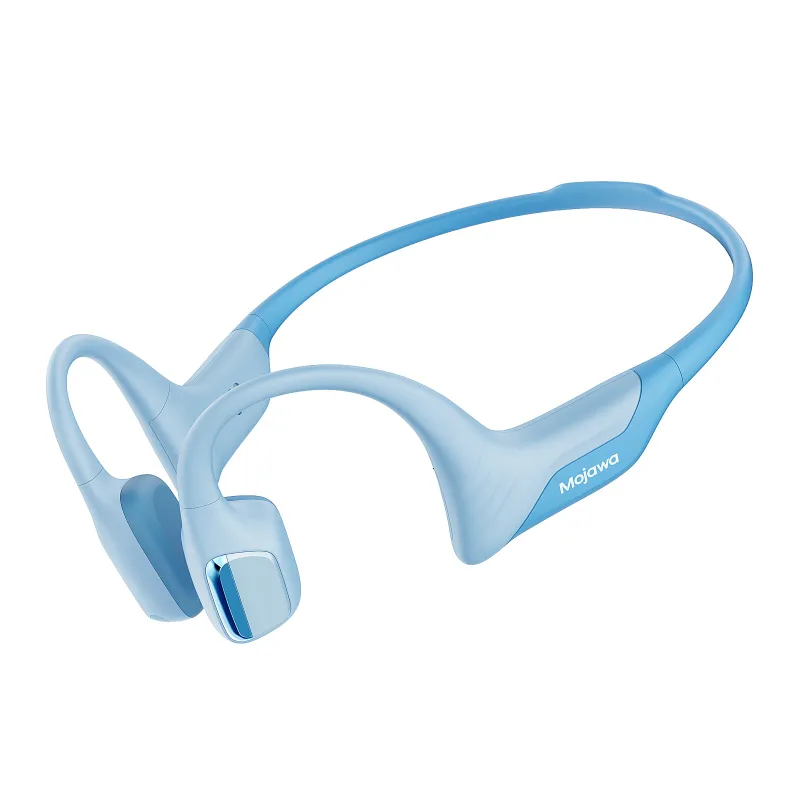
How Bone Conduction and Traditional Waterproof Headphones Work
Bone conduction headphones rest on your cheekbones and send vibrations directly to your inner ear, leaving your ear canals completely open. Traditional waterproof headphones seal inside your ear canal with silicone tips that block water and deliver sound through air conduction. Each design solves different problems for swimmers, runners, and outdoor athletes.
The choice between these two technologies depends on whether you prioritize awareness of your surroundings, fit comfort during long sessions, or pure audio quality underwater. We tested both styles extensively to help you decide which matches your training routine and listening preferences.
Sound Quality and Underwater Performance
Traditional in-ear swimming headphones deliver fuller bass response and better volume because they create a seal that blocks external noise. Models like the ip68 earphones are rated to withstand submersion and maintain clear audio even during flip turns.
Bone conduction models sacrifice some low-end punch for situational awareness. The mojawa run plus and similar designs let you hear pool announcements, traffic, and training partners while still enjoying music. Sound leakage is more common with bone conduction since nothing seals your ear, so people nearby may hear faint audio at higher volumes.
For lap swimming in controlled environments, traditional in-ear designs typically win on pure sound fidelity. For open-water swimming, triathlons, or any scenario where you need to stay alert, bone conduction headphones offer a critical safety advantage.
Comfort and Fit for Extended Swim Sessions
Bone conduction frames wrap around the back of your head with silicone-coated arms that press gently against your temples. The mojawa run air mojo 2 and similar models stay secure without inserting anything into your ears, which prevents the pressure fatigue and irritation some swimmers experience with in-ear tips after 45 minutes or more.
Traditional waterproof earbuds require the right tip size to seal properly. Too loose and water seeps in, too tight and you feel discomfort within minutes. Swimmers with narrow or unusually shaped ear canals often struggle to maintain a reliable fit during push-offs and dives.
Goggle strap interference is another consideration. Bone conduction bands typically sit lower on your skull and avoid the goggle strap zone, while some in-ear models with ear hooks can clash with goggle straps and swim caps.
Durability and Water Resistance Standards
Most serious best waterproof headphones carry an IPX8 or IP68 rating, meaning they survive continuous submersion beyond one meter. Both bone conduction and traditional in-ear models can achieve this standard. The moin max p91 headphones and other IP68-rated options handle chlorine, salt water, and sweat without degrading quickly.
Bone conduction designs have fewer vulnerable points since no speaker grills sit inside your ear canal where wax and moisture accumulate. In-ear models require more frequent cleaning of the mesh screens and tip replacements to maintain hygiene and sound quality.
Salt water is harsher than pool chlorine on both styles. If you swim in the ocean regularly, rinse your headphones with fresh water immediately after each session and check the latest price on models specifically tested for salt exposure.
Battery Life and Storage Capacity
Most waterproof headphones for swimming include onboard storage because Bluetooth does not transmit reliably underwater. Expect 4 to 8 GB of space, enough for 1,000 to 2,000 songs. Both bone conduction and traditional in-ear models offer similar storage and battery performance, typically 6 to 10 hours per charge.
Bone conduction frames have more surface area to house larger batteries, which can extend playtime slightly. However, the power difference is usually negligible in practice. Controls and charging ports are the real differentiator: look for magnetic charging contacts that fully seal rather than exposed USB ports prone to corrosion.
Which Style Fits Your Training Goals
| Use Case | Bone Conduction | Traditional In-Ear |
|---|---|---|
| Open-water swimming | Excellent (safety awareness) | Poor (isolation risk) |
| Lap pool training | Good (comfort) | Excellent (sound quality) |
| Running and cross-training | Excellent (breathable) | Good (secure fit) |
| Noise isolation | Poor (open ear) | Excellent (sealed ear) |
Open-water swimmers, triathletes, and anyone who trains near traffic should prioritize bone conduction for situational awareness. Competitive pool swimmers focused on music quality and complete immersion will appreciate the richer audio of sealed in-ear models.
If you split time between pool laps and outdoor runs, bone conduction offers more versatility. The shokz noise cancelling and similar options from leading brands work across multiple sports without requiring you to swap between devices.
Some swimmers keep both styles and choose based on the day's workout. Bone conduction for technique drills and open-water sessions, traditional earbuds for long threshold sets where motivation from music matters more than hearing the environment.
Where to Buy and Current Discounts
We maintain partnerships with trusted retailers to grab the code for current offers on both bone conduction and traditional waterproof models. Mojawa, Shokz, and other specialty audio brands frequently rotate promotions, so checking before you buy can save 10 to 20 percent.
When comparing options, prioritize fit over specs. Even the Wireless Sweatproof Pearl Earbuds with impressive ratings will disappoint if they slip during every turn. Many retailers offer trial periods—use them to test your headphones in actual swim conditions before committing.
Expert reviews and community discussions on platforms like Reddit highlight real-world durability issues that spec sheets miss. Look for mentions of charging port failures, battery degradation timelines, and customer service responsiveness when researching your shortlist.
Both technologies have matured significantly in recent years. Whether you choose bone conduction for awareness and comfort or traditional waterproof earbuds for sound quality, modern options deliver reliable performance that transforms swim training from monotonous to motivating.
Frequently asked questions
Can bone conduction headphones be used for swimming?
Yes, many bone conduction models carry IPX8 or IP68 waterproof ratings and include onboard music storage since Bluetooth does not work underwater. They rest on your cheekbones and stay secure during laps without inserting anything into your ear canals.
Do bone conduction headphones have worse sound quality than in-ear models?
Bone conduction headphones typically deliver less bass and more sound leakage because they do not seal your ear canal. Traditional in-ear waterproof models offer fuller audio and better noise isolation, but bone conduction provides superior situational awareness for safety.
Which type is more comfortable for long swim sessions?
Bone conduction designs avoid ear canal pressure and irritation, making them more comfortable for sessions over 45 minutes. Traditional earbuds require precise tip sizing and can cause fatigue or discomfort if the seal is too tight.
Are waterproof headphones with IP68 ratings safe for salt water?
IP68-rated headphones can handle salt water, but you should rinse them with fresh water immediately after ocean swims. Salt is more corrosive than chlorine and will degrade seals and charging contacts faster without proper maintenance.
Do I need different headphones for pool swimming versus open-water swimming?
Not necessarily, but bone conduction models are safer for open water because they let you hear boats, other swimmers, and hazards. Pool swimmers often prefer traditional in-ear models for better sound quality and complete audio immersion during workouts.
How do I prevent waterproof earbuds from falling out during flip turns?
Choose models with multiple tip sizes and test the fit before buying. Bone conduction headphones eliminate this issue entirely since they wrap around your head and rest on your cheekbones rather than inserting into your ear canals.