
Can a Mini Angle Grinder Handle Metal Cutting and Grinding?

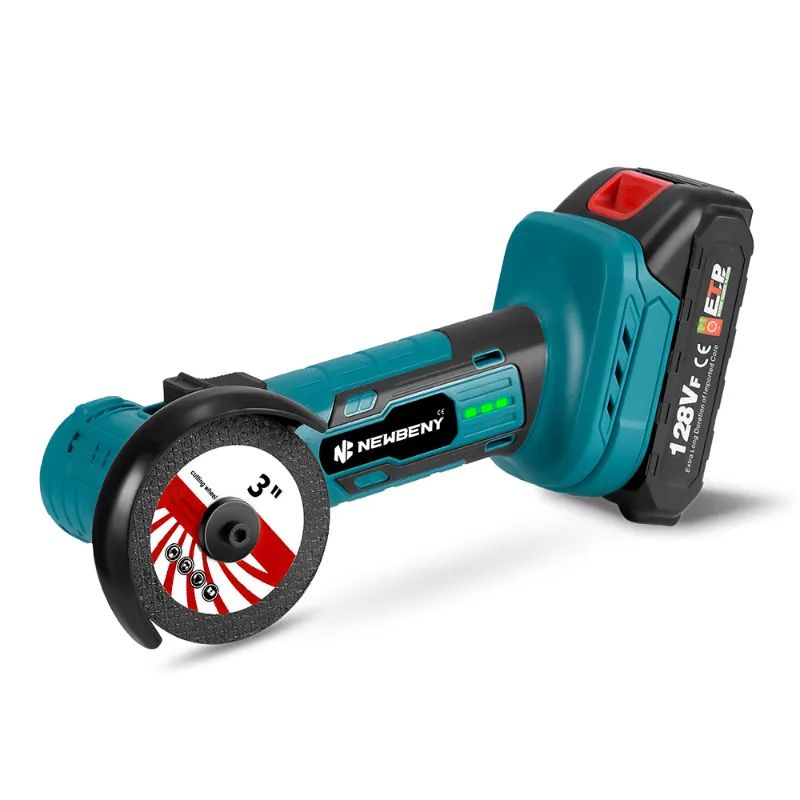
Yes, a mini angle grinder can absolutely handle metal cutting and grinding tasks, especially in confined spaces where larger tools won't fit. These compact powerhouses deliver surprising performance for detail work, rust removal, sharpening, and small fabrication jobs when you pair them with the correct disc type and understand their limitations.
What Metal Tasks Can a Mini Angle Grinder Handle
A mini angle grinder shines in situations that demand precision and maneuverability. We've tested these tools across dozens of metal projects and found they consistently excel at:
- Cutting thin sheet metal (up to 1/8 inch steel with a cutoff wheel)
- Grinding welds flush on intricate assemblies or in corners
- Removing rust and paint from small metal surfaces
- Sharpening lawn mower blades and garden tools
- Deburring edges after cutting or drilling metal
- Polishing stainless steel with appropriate buffing attachments
- Cutting rebar and threaded rod in tight renovation spaces
The key advantage over full-size angle grinders is control. When you're working inside a chassis, near delicate components, or on detailed metalwork, a 2 inch angle grinder or 3 inch grinder gives you the finesse larger tools can't match.
Cordless vs Corded: Which Mini Grinder for Metal Work
Your power source choice depends on where and how you work with metal.
Electric Mini Angle Grinder (Corded)
Corded models deliver consistent power without runtime limits. If you're grinding in a workshop or garage with reliable outlets, a mini angle grinder corded version prevents mid-task battery swaps. They typically weigh less since there's no battery pack, reducing fatigue during extended grinding sessions.
Mini Angle Grinder Cordless
A mini angle grinder cordless model trades unlimited runtime for mobility. We reach for cordless versions when working on automotive repairs, HVAC installations, or any metal cutting away from power sources. Check the voltage and amp-hour rating—higher numbers mean longer runtime and more torque for tougher metals. Grab the code to save 12% on cordless models that include extra batteries.
| Feature | Corded Mini Grinder | Cordless Mini Grinder |
|---|---|---|
| Power consistency | Unlimited, steady | Battery-dependent |
| Portability | Outlet-limited | Full mobility |
| Weight | Lighter | Heavier with battery |
| Best for | Shop grinding, extended use | Field work, tight access |
Choosing the Right Disc for Metal Cutting and Grinding
The disc matters more than the tool for metal results. A mini grinder tool for metal requires these disc types:
Cutoff wheels (thin, 1/16 inch) slice through metal quickly but wear fast. Use them for cutting bolts, rebar, sheet metal, and angle iron. Always cut at a 90-degree angle to prevent binding.
Grinding wheels (thicker, 1/4 inch) remove material more aggressively. We use them for shaping metal, grinding down welds, and heavy stock removal. They last longer than cutoff wheels but cut slower.
Flap discs combine grinding and finishing. The layered abrasive flaps smooth metal surfaces while removing material, perfect for blending welds or prepping metal for paint.
Wire wheels strip rust, paint, and corrosion without removing base metal. Choose crimped wire for lighter cleaning or knotted wire for stubborn buildup.
Always verify the disc's RPM rating matches or exceeds your tool's maximum speed. Using an under-rated disc creates a dangerous burst risk.
Size Matters: 2 Inch vs 3 Inch Grinders
Disc diameter determines both reach and power requirements. A 2 inch mini angle grinder electric model fits into engine bays and behind plumbing where even a 3 inch grinder won't reach. The smaller disc also spins at higher surface speeds with less motor strain, making it efficient for detail grinding.
However, a 3 inch grinder covers more surface area per pass and reaches slightly deeper into corners. For general metal shop work—grinding welds on furniture frames, cutting decorative metalwork, or prepping automotive panels—the 3 inch grinder balances control with productivity better than ultra-compact models.
We keep both sizes in our shop rotation. The 2 inch handles precision work and impossibly tight spaces, while the 3 inch tackles everything else metal-related.
Safety and Limitations You Need to Know
Mini grinders pack genuine power into small frames, but they have boundaries. Don't expect a 2-inch tool to cut through heavy structural steel like a 4.5-inch or 7-inch grinder. Attempting cuts beyond your tool's capacity overheats the motor and creates kickback risks.
Always wear these when grinding metal:
- Safety glasses or face shield (metal sparks fly toward your face)
- Hearing protection (high-RPM grinding exceeds safe decibel levels)
- Leather gloves (protect against hot metal fragments and sharp edges)
- Long sleeves (sparks burn exposed skin instantly)
Secure your workpiece before grinding. A shifting metal piece causes binding, which triggers violent kickback. We clamp everything smaller than a toolbox.
Never remove the disc guard. It deflects sparks and debris away from your hands and catches disc fragments if a wheel shatters. The guard should always sit between you and the grinding point.
When to Use Other Tools Instead
While a mini angle grinder excels at metal detail work, recognize when a different tool fits better. For heavy stock removal on large metal pieces, a full-size grinder saves hours. When you need clean, precise cuts through thick metal, a cutoff saw or bandsaw delivers straighter results with less effort.
If your project involves multiple material types beyond metal, consider a multi tool electric that accepts grinding, cutting, and sanding attachments. For assembly work that includes both metal fabrication and fastener installation, pairing your grinder with an electric ratchet wrench creates a complete compact toolkit.
Getting the Best Results From Your Mini Grinder
Start with fresh discs for critical cuts. A worn cutoff wheel takes longer, generates more heat, and increases binding risk. We replace cutoff wheels after every few cuts and grinding wheels when performance drops noticeably.
Let the tool spin up to full speed before touching metal. Forcing a slow grinder into metal stalls the motor and shortens its lifespan.
Apply light pressure and let the abrasive do the work. Heavy force slows the disc, creates excess heat, and wears through wheels faster. Smooth, steady passes produce better finishes than aggressive grinding.
Check the latest price on mini grinders that include carrying cases and multiple disc types—these starter kits give you everything needed for immediate metal work without hunting down compatible accessories.
For woodworkers who occasionally need metal-cutting capability, or metalworkers who want specialized tools for other tasks, you might also appreciate power tools like a 12 inch chainsaw for lumber prep or an 8 inch chainsaw for quick dimensional cuts. But for dedicated metal grinding and cutting in tight quarters, a quality mini angle grinder remains the most versatile choice in our shop.
Frequently asked questions
Can a mini angle grinder cut through steel?
Yes, a mini angle grinder can cut steel up to about 1/8 inch thick when equipped with a metal cutoff wheel. Thicker steel requires multiple passes or a larger grinder with more torque.
What size disc does a mini grinder use?
Mini grinders typically use 2-inch or 3-inch discs, compared to the 4.5-inch or larger discs on full-size angle grinders. Always verify disc compatibility with your specific model before purchasing.
Is cordless or corded better for metal grinding?
Corded mini grinders provide unlimited runtime and consistent power for shop use, while cordless models offer mobility for field work and tight spaces without outlets. Choose based on where you work most.
Do I need different discs for cutting vs grinding metal?
Yes, thin cutoff wheels slice through metal quickly, while thicker grinding wheels remove material and shape metal. Flap discs combine both functions for blending and finishing work.
Can mini angle grinders remove rust from metal?
Absolutely. Wire wheel attachments or abrasive discs on a mini grinder remove rust, paint, and corrosion from metal surfaces without damaging the base material when used with light pressure.
What safety gear do I need when using a mini grinder on metal?
Always wear safety glasses or a face shield, hearing protection, leather gloves, and long sleeves. Metal grinding creates sparks, sharp fragments, and high noise levels that require full protection.