
How to Choose the Right Chainsaw Size: 8 Inch vs 12 Inch for Home Projects

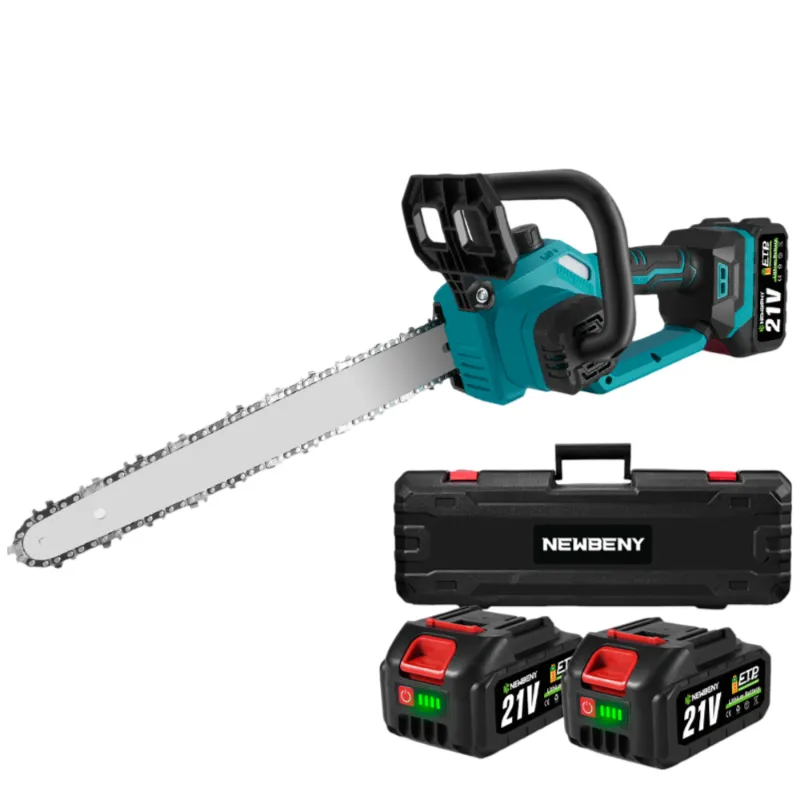
A 12 inch chainsaw delivers enough bar length to handle common yard work without the weight and kickback risk of larger saws. For homeowners cutting branches up to 10 inches thick, trimming small trees, or preparing occasional firewood, the 12-inch bar provides efficient cutting while staying light enough for extended use.
What Size Jobs Suit a 12 Inch Chainsaw
The 12-inch bar excels at medium-duty residential tasks. You can comfortably cut logs and branches between 6 and 10 inches in diameter with a single pass, making it ideal for storm cleanup, pruning overgrown trees, and sectioning firewood rounds. The bar reaches far enough to work overhead on lower limbs without a ladder, yet the overall weight stays manageable during repetitive cuts.
We find the 12 inch chainsaw particularly effective for homeowners who need more reach than a compact pruning saw but don't want the fatigue that comes with 16-inch or 18-inch models. Battery-powered 12-inch options like the Stihl AK Battery-Powered 12-inch Chain Saw balance power and runtime for typical property maintenance.
When an 8 Inch Chainsaw Makes More Sense
An 8 inch chainsaw shines in tight spaces and detail work. The shorter bar makes precise cuts easier when shaping shrubs, trimming hedges, or working in crowded garden beds. You'll appreciate the reduced weight during long pruning sessions or when working from a ladder, where every ounce matters for safety and control.
The 8-inch option works best for branches under 5 inches thick. If most of your cutting involves cleanup after hedge trimming or removing small volunteer saplings, the compact size speeds up the job. However, you'll need multiple passes or a different tool when facing logs thicker than the bar can span.
Comparing Cutting Capacity and Power
Bar length directly affects the thickness you can cut in one pass. A 12-inch bar handles material up to about 10 inches wide, while an 8-inch bar caps out around 6 inches. Beyond that diameter, you either cut from both sides or switch to a longer saw.
Power requirements scale with bar length. The best 12 inch chainsaw models typically run on higher-voltage batteries (40V to 62V) or more powerful gas engines to maintain chain speed through dense hardwood. Our 62 volt chainsaw delivers the torque needed to drive a 12-inch chain through oak or maple without bogging down. An 8-inch model often works well on 20V or 40V platforms, keeping the overall system lighter and more affordable.
| Feature | 8 Inch Chainsaw | 12 Inch Chainsaw |
|---|---|---|
| Max cut diameter | ~6 inches | ~10 inches |
| Typical weight | 5-7 lbs | 8-10 lbs |
| Best for | Pruning, detail work | Firewood, storm cleanup |
| Battery voltage | 20V-40V | 40V-62V |
Chain and Bar Replacement Considerations
A 12 inch chainsaw chain costs slightly more than an 8-inch chain due to the extra links, but the price difference rarely exceeds a few dollars. Both sizes use standard pitch and gauge combinations, so you'll find compatible chains at any hardware store or online retailer. Check your model's specifications for pitch (usually .375" or 3/8") and gauge (.043", .050", or .063") before ordering.
Bar wear happens faster on longer chains because they contact more material per cut. We recommend checking chain tension and bar groove condition every few hours of use, regardless of size. Keep a spare chain on hand so you can swap in a fresh edge mid-project. Grab the code for 12% off replacement chains and bars when you stock up.
Gas-powered options like the Husqvarna 12 Inch Bar 2HP Gasoline Top-Handle Chainsaw offer runtime limited only by your fuel supply, but they require more maintenance than electric models. Battery-powered 12-inch and 8-inch saws skip the carburetor adjustments and spark plug changes, trading unlimited runtime for zero-emission convenience.
Maneuverability and Fatigue Factors
Weight and balance determine how long you can work before your arms tire. An 8-inch saw typically weighs 2 to 3 pounds less than a 12-inch model in the same product line, which matters when cutting overhead or at awkward angles. The shorter bar also reduces tip weight, making it easier to control the saw with one hand (though we always recommend two-handed operation for safety).
The 12-inch bar gives you better leverage when boring into large logs or cutting through knotty sections. You can position the saw at a more comfortable angle rather than forcing the cut. For ground-level work like bucking logs into firewood lengths, the extra reach lets you work from a standing position instead of kneeling.
If your projects mix detail pruning with occasional larger cuts, consider keeping both sizes. Pair an 8 inch chainsaw for regular trimming with a 12 inch chainsaw for heavier seasonal work. Many battery platforms share packs between tools, so your investment in batteries serves multiple saws.
Choosing Based on Your Property and Projects
Walk your property and estimate the typical branch diameters you cut. If most material falls between 3 and 6 inches, an 8-inch saw handles 90% of your work with less fatigue. When you regularly face 6- to 10-inch logs or need to clear storm-damaged limbs, the 12-inch model prevents frustration and saves time.
Consider storage and transport too. A 12-inch saw fits in most truck beds and garage corners without issue, but the 8-inch model packs more easily into a garden shed or car trunk. If you help neighbors or family with yard work, the compact saw travels better.
For homeowners building a complete tool collection, the multi tool electric lineup pairs well with either chainsaw size for detail work, while a mini angle grinder handles any metal cutting or sharpening tasks. Check the latest price to bundle your purchase and maximize the store discount.
Safety and Kickback Differences
Shorter bars reduce kickback risk because there's less surface area in the danger zone at the bar tip. An 8-inch saw kicks back with less force than a 12-inch model if the tip contacts an object unexpectedly. However, proper technique and a firm grip matter more than bar length for preventing injury.
Both sizes benefit from low-kickback chains and chain brakes. Always wear safety glasses, hearing protection, and cut-resistant gloves regardless of which saw you choose. The lighter weight of an 8-inch model helps you maintain control during long sessions, but don't let the smaller size tempt you into casual handling.
We recommend starting with whichever size matches your most frequent task. Master the fundamentals of chain tension, safe cutting angles, and proper stance before moving to a longer bar. Most operators find the 12-inch length offers enough versatility to grow into more ambitious projects without the intimidation factor of professional-grade saws.
Frequently asked questions
What is the maximum log diameter a 12 inch chainsaw can cut?
A 12 inch chainsaw can cut logs up to about 10 inches in diameter in a single pass. For larger logs, you'll need to cut from multiple sides or use a longer bar.
Is an 8 inch chainsaw powerful enough for firewood?
An 8 inch chainsaw works for small firewood rounds under 6 inches thick, but you'll make faster progress and fewer awkward cuts with a 12-inch model for standard firewood prep.
Can I use the same battery for both 8 inch and 12 inch chainsaws?
Most manufacturers use the same battery platform across different bar lengths within their product line. However, a 12 inch model typically drains batteries faster due to higher power draw, so runtime will be shorter.
Which chainsaw size is better for overhead pruning?
An 8 inch chainsaw is better for overhead work because it weighs less and causes less arm fatigue. The lighter weight improves control and safety when cutting above shoulder height.
Do 12 inch chainsaw chains cost significantly more than 8 inch chains?
The price difference between 8 inch and 12 inch replacement chains is usually only a few dollars. Both sizes are widely available and use standard pitch and gauge specifications.
Should a beginner start with an 8 inch or 12 inch chainsaw?
Beginners often find 8 inch models less intimidating and easier to control while learning proper technique. However, if your projects require cutting thicker material, starting with a 12 inch chainsaw prevents the need to upgrade soon after.