
Can You Use Regular Nail Polish Over Ohora Gel Strips?

Yes, you can use regular nail polish over ohora nail strips once they're fully cured, but you'll need to prep the surface and seal carefully to prevent chipping. The semi-cured gel formula creates a smooth, non-porous base that standard lacquer struggles to grip without the right steps.
Why Layer Regular Polish Over Gel Nail Strips
Most people reach for regular polish to customize their ohora nails with nail art, change the color midweek, or extend the life of a partial chip. The gel strips themselves deliver 14 days of wear when applied correctly, but adding conventional lacquer on top opens creative options without committing to a full strip replacement.
The main challenge is adhesion. Semi-cured gel has a slick, glossy finish that repels water-based and traditional nitrocellulose polish. Without surface prep, your topcoat will peel within hours.
How to Apply Regular Polish Over Ohora Gel Strips
We tested this across multiple strip applications and found a reliable three-step process:
1. Cure the strips completely first Apply your ohora nail strips following the standard protocol, then cure under a gel lamp for the full recommended time (60 seconds LED or 120 seconds UV). Wait at least 30 minutes before layering polish to let the gel fully harden. Rushing this step leaves the base tacky and prone to smudging.
2. Buff the gel surface lightly Use a fine-grit buffer (180 to 240 grit) to gently scuff the glossy top layer. You're creating microscopic texture for the polish to grip, not filing through the color. Wipe away dust with a lint-free wipe and a drop of rubbing alcohol.
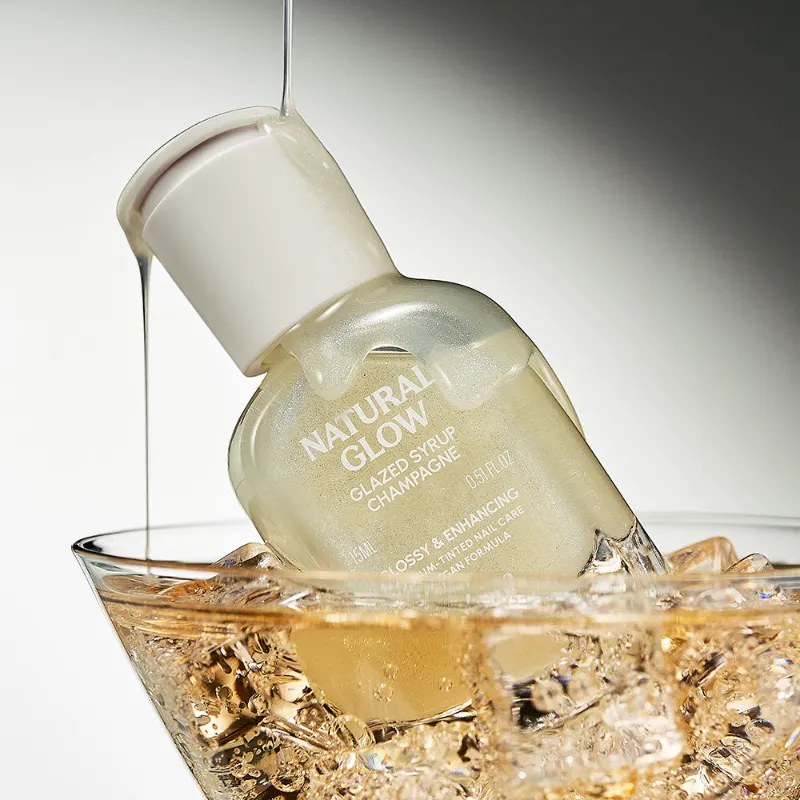
3. Apply thin coats and a strong topcoat Layer your regular polish (we tried cherry red nail polish and champagne nail polish with similar results) in two thin passes, letting each dry fully. Finish with a quick-dry topcoat formulated for extended wear. Avoid thick, goopy layers that trap solvents and stay soft.
Grab our discount code to save 15% on your next strip order if you're planning to experiment with layering techniques.
Which Polishes Work Best Over Gel Strips
We found the best results with these polish types:
- Quick-dry formulas – They minimize smudge risk and contain resins that bond better to buffed gel
- Gel-effect lacquers – Brands marketed as "gel-like" often include adhesion promoters that grip non-porous surfaces
- Cream finishes – Opaque creams like deep cherry nail polish cover in fewer coats than sheer or shimmer formulas
Standard drugstore polish works, but expect 3 to 5 days of wear instead of the usual week. The solvent in regular remover also breaks down the gel base faster, so you'll shorten your strip lifespan each time you change the topcoat.
Avoid glitter polishes with large flakes. They create an uneven surface that catches and lifts at the edges, especially if you're layering over strips that already have texture or patterns.
Removing Regular Polish Without Damaging the Strips
Pure acetone will dissolve both your topcoat and the semi-cured gel underneath in seconds, so skip it entirely. Instead, use a non-acetone remover with a cotton pad and gentle pressure. It takes 10 to 15 seconds longer per nail, but your ohora press on nails stay intact.
Press the soaked pad onto the nail for five seconds, then wipe toward the free edge in one smooth motion. Repeat if needed, but don't scrub back and forth. That friction generates heat and can cause the strip edges to lift.
After removal, the buffed gel surface will look slightly dull. You can apply a fresh layer of regular polish immediately or use a gel topcoat and cure under your led nail lamp to restore the original glossy finish.
When to Skip the Regular Polish Layer
You'll get the longest wear and cleanest look by leaving the strips as-is in three scenarios:
- The design is already busy – Layering solid color over intricate patterns muddies the detail and adds unnecessary thickness
- You're within 48 hours of application – The strips are still settling into the nail bed; polish can trap moisture and cause premature lifting
- You're using strengthening treatments – Products marketed as nail strengtheners often contain oils or proteins that create a barrier between the gel and topcoat
If you want color flexibility without the hassle, consider starting with a neutral or sheer strip design and layering your statement shade on top from day one. Check the latest pricing on clear and nude strip options that work as a gel base.
Comparing Layered Polish to Fresh Gel Strips
| Method | Wear Time | Shine Level | Removal Ease |
|---|---|---|---|
| Regular polish over strips | 3–5 days | Moderate (depends on topcoat) | Easy with non-acetone |
| Fresh gel strips alone | 10–14 days | High gloss | Requires soaking and peeling |
| Gel topcoat over strips | 14+ days | Very high | Requires acetone or peeling |
For occasional color changes or nail art experiments, layering works well. For a standing manicure that lasts two weeks, stick with the strips alone or commit to a full gel system.
According to independent reviews, the strips themselves perform best when left unaltered. The semi-cured formula is designed to bond directly with the natural nail and cure into a single cohesive layer. Adding conventional polish introduces a weak point in that bond.
Tips for Longer Wear When Layering
We extended our layered manicures from three days to nearly a week with these adjustments:
- Wrap the tips – Paint the free edge of each nail with your topcoat to seal the polish and prevent edge chipping
- Cure a gel topcoat – If you own a gel lamp, skip regular topcoat entirely and use a no-wipe gel top layer for a hybrid finish
- Avoid water for two hours – Let the polish fully harden before washing dishes or showering
- Reapply topcoat every two days – A fresh layer fills in micro-scratches and restores shine
The semi-cured gel formula itself remains durable underneath, so your main concern is keeping the top polish layer chip-free. Most lifting happens at the cuticle and tip, so focus your maintenance there.
If you're experimenting with this technique for the first time, use our code to stock up on a few neutral strip sets. That way you can test different polish brands and buffing methods without worrying about wasting a bold design.
Frequently asked questions
Can I apply regular topcoat over ohora nail strips?
Yes, but buff the gel surface lightly first and use a quick-dry topcoat for better adhesion. The glossy gel finish resists standard lacquer without prep.
Will acetone ruin my gel nail strips if I remove regular polish?
Pure acetone dissolves the semi-cured gel layer along with the polish. Use non-acetone remover instead to protect the strips underneath.
How long should I wait after curing strips before adding polish?
Wait at least 30 minutes after curing to let the gel fully harden. Applying polish too soon can cause smudging and prevent proper adhesion.
Does layering regular polish shorten the life of gel strips?
Yes, typically by a few days. The solvents in regular remover and the buffing process both compromise the gel's durability, so expect 10 days of wear instead of 14.
What type of regular polish works best over gel strips?
Quick-dry and gel-effect lacquers bond better to buffed gel surfaces. Cream finishes also cover well in fewer coats than sheer or glitter formulas.
Can I use nail art over ohora press-on nails?
Yes, after buffing the surface and curing completely. Apply your art with regular polish or acrylic paint, then seal with a strong topcoat or gel top layer.