

Yes, the canon eos r5 is a genuinely excellent choice for outdoor adventure photography, and it is one of the few bodies that covers landscapes, wildlife, and camp-life video without a second camera. It is not the lightest or cheapest option, so the real question is whether its strengths match how you actually shoot. Here is how we think about it after packing it alongside tents, boats, and camp tables.
Why the Canon EOS R5 Fits Outdoor Adventure Photography
Adventure photography is a mix of slow, tripod-based landscape work and fast, handheld action when a bird lifts off or a friend kicks up spray from a kayak. The canon eos r5 handles both without you swapping bodies.
- Resolution for cropping. High megapixels mean you can shoot wide for the scene and still crop into a distant ridge or a paddler mid-stroke.
- In-body stabilisation. Handholding in low light at camp, on a boat deck, or at blue hour becomes practical instead of hopeful.
- Autofocus that tracks subjects. Animal and vehicle tracking modes are why it works for wildlife and for shooting from a moving inflatable boat.
- Video that holds up in weather. Overheating is a real consideration if you record long takes, so plan shorter clips and let the body cool between them.
- Weather sealing. Pair it with a sealed lens and it survives drizzle, sea spray, and dusty trailheads far better than a consumer body.
We sell it as the canon eos r5 digital camera in our own lineup, and it is the camera we reach for when a trip only allows one body.
Canon EOS R5 vs a Phone and a Crop-Sensor Body
This is the comparison most people actually need. A phone wins on weight and always being with you. A crop-sensor mirrorless wins on cost. The canon eos r5 wins on image quality, low light, and the ability to crop hard.
| Option | Strengths on a trip | Trade-offs |
|---|---|---|
| Phone | Weightless, instant sharing, no lens changes | Weak in low light, limited reach, no real depth of field control |
| Crop-sensor mirrorless | Lighter kit, cheaper lenses, good video | Less cropping room, more noise at dusk |
| Canon EOS R5 | Excellent detail, strong stabilisation, reliable tracking | Heavier bag, expensive glass, more power management |
If you hike long days with a ultralight backpacking setup, the honest answer is that a phone or a small crop body often earns its place. If photography is a reason for the trip, not an afterthought, the R5 is worth the weight.
What to Pack With the Canon EOS R5
A camera body is only half the kit. What you carry it in and what you sit on at the end of the day matter just as much for a workable shooting day.
- Protection first. A padded insert inside a hiking pack, or a dedicated camera sling, keeps the body and one spare lens safe.
- A basecamp that lets you work. A folding camp table gives you a stable surface for card swaps, battery changes, and lens cleaning away from sand and grit.
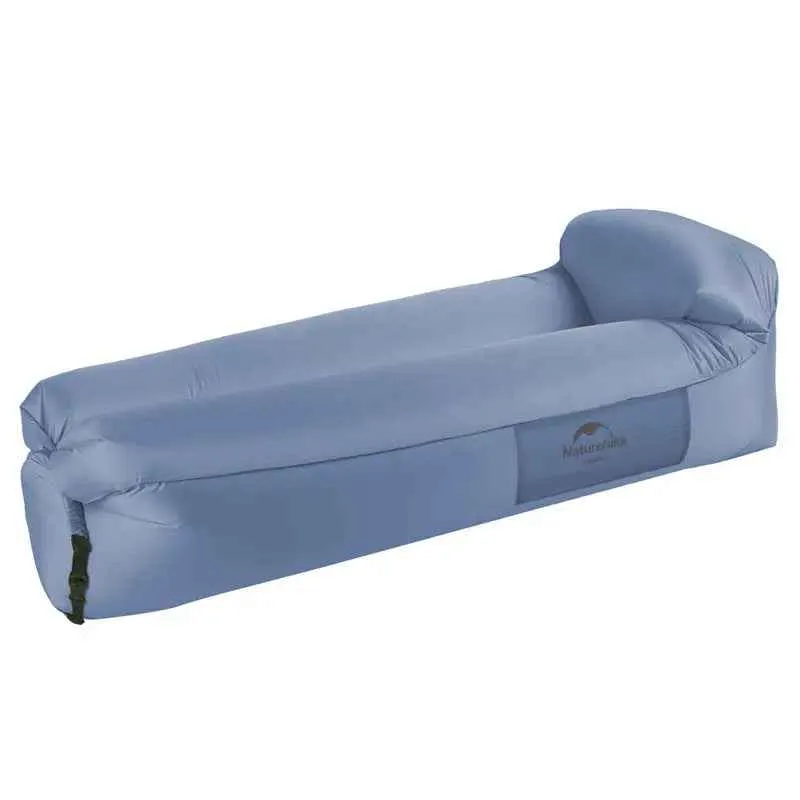
- Somewhere to edit and rest. An air sofa sounds indulgent until you are reviewing images at midnight on a cold beach.
- Waterproof storage. Dry bags for spare batteries, cards, and a cloth. Salt water and memory cards do not mix.
For trips where the hike is the point, our naturehike hiking gear covers the carry side so the camera bag does not become the whole load.
Shooting From the Water: Kayaks, Boats, and Spray
Water is where adventure cameras get tested hardest. Salt spray, glare, and an unstable platform all push against you, and the canon eos r5's stabilisation and tracking earn their keep here.
- Choose a stable platform. An inflatable boat is steadier for photography than a narrow kayak because you can brace your elbows on the tubes.
- Inflatables on the beach, not on rocks. Inflate on sand or grass, and keep the pump away from sharp stones.
- Use a strap, always. A wrist strap or a floating strap is cheap insurance over deep water.
- Shoot in short bursts. Waves move fast, and a quick burst gives you a clean frame.
- Dry the body before opening ports. Wipe and let it come to room temperature before you change a card.
If you want to cover distance and carry more gear, an engine inflatable boat opens up locations you cannot reach by paddle alone. For calmer, lighter trips, an inflatable kayak is easier to pack and launch. Inflatable boat and kayak setup takes ten minutes once you know the valve sequence, so practise at home first.
Shelter and Camp Setup That Supports Long Shooting Days
A camera bag and a shelter compete for the same pack space. Our rule is simple: light shelter, heavy camera, and a basecamp that is genuinely comfortable.
- Ultralight backpacking trips. A tent ultralight backpacking shelter keeps the pack light enough to justify bringing the R5 and two lenses.
- Basecamp and car camping. A springbar tent canvas tent gives you space to stand, sort gear, and keep a camera dry through days of rain.
- Sleep matters. A good air mattress is the difference between a sharp-eyed dawn shoot and a shaky one, and air mattress and sleeping pad care is mostly about storing it inflated and clean.
- Family trips. If you are shooting while kids play, childrens inflatable water slides give you action, splash, and genuine expressions all in one frame.
- Seasonal work. inflatable halloween decorations are an easy test of low light and colour handling if you want to practise before a night shoot.
Before any of that, grab the code so the camping side of the kit does not eat the lens budget.
Power, Storage, and Field Discipline
The biggest practical risk with any high-end mirrorless body is running out of power or space in the middle of a shoot.
- Bring three batteries minimum for a full day, four for cold weather. Cold drains cells fast, so keep spares inside a jacket.
- Carry two cards. Use the second slot for overflow or instant backup, and never format in the field until images are copied.
- Offload daily. A small SSD or an in-camera transfer to a phone saves you from losing a whole trip.
- Set a cleaning routine. Blower first, brush second, wet clean last. Never wipe a dirty sensor.
Check the latest price and current offer on our store page before you build the rest of the kit around it.
Who the Canon EOS R5 Suits, and Who It Does Not
Buy it if you shoot a mix of landscapes, wildlife, and camp video, you want one body to do everything, and you are willing to carry the weight and pay for good glass. We think it is the right call for most serious outdoor photographers.
Skip it, or delay it, if you mostly shoot on easy day hikes and share to social, if you are new to interchangeable lenses, or if your trips are ultralight first and photography second. In those cases a smaller body plus the money saved on a better shelter and a folding camp table will improve your photos more than the sensor will.
Either way, kit up the camping side first. Our 10% off sitewide offer covers the gear that gets you to the shot, and the canon eos r5 is ready when you are.
 Shopping at Naturehike? See today's verified Naturehike discount code
Frequently asked questions
Is the Canon EOS R5 good for hiking and backpacking trips?
It is capable but heavy. We recommend it for trips where photography is a main goal, and a lighter crop-sensor body or a phone for long ultralight backpacking routes where every gram counts.
How many batteries should I carry with the Canon EOS R5 on a camping trip?
Plan for at least three charged batteries for a full shooting day, and four in cold weather. Cold conditions drain mirrorless batteries quickly, so keep spares warm inside a jacket.
Can I use the canon eos r5 from an inflatable kayak or boat?
Yes, with care. Use a wrist or floating strap, shoot in short bursts, wipe spray off before opening any port, and let the body reach room temperature before changing cards.
Will a folding camp table help with camera gear at camp?
It does. A stable surface keeps cards, batteries, and lens cloths off sand and wet ground, which is exactly where most gear damage happens on a trip.
How do I use a discount code on Naturehike gear?
Add your items to the cart, apply the code at checkout, and confirm the discount shows in the order total. The current sitewide offer and full details are on our store page.
Does the Canon EOS R5 overheat when recording video outdoors?
It can overheat during long continuous takes. For adventure work, plan shorter clips, let the camera cool between them, and avoid direct sun on the body during recording.