
How to Choose Between SIRUI Carbon Fiber and Aluminum Tripods for Travel Photography

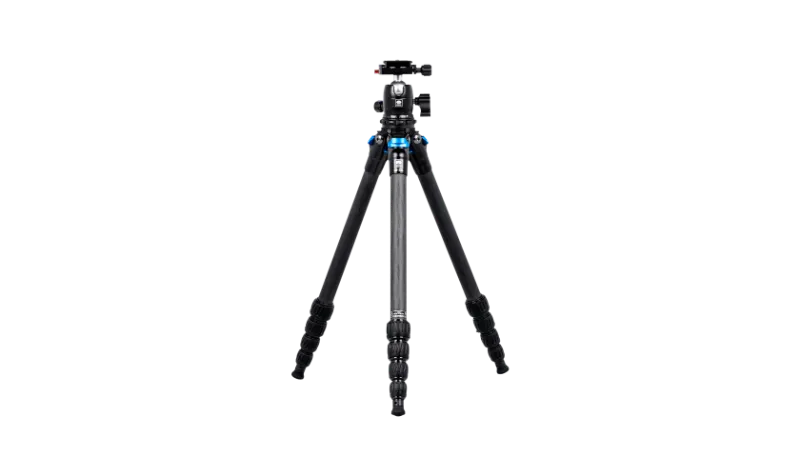
A carbon fiber tripod saves you approximately 25 to 40 percent in weight compared to aluminum while delivering the same load capacity, making it the go-to choice for travel photographers who hike to locations or pack gear in carry-ons. Aluminum tripods cost less and absorb impact better, which matters if you shoot in crowded streets or rocky terrain where your gear takes a beating.
We tested both materials across SIRUI's travel tripod lineup to help you decide which construction suits your shooting style, budget, and the lenses you carry.
Weight Difference: Carbon Fiber Tripod vs Aluminum for Travel
Carbon fiber cuts roughly one to two pounds from a travel tripod compared to an equivalent aluminum model. A sirui tripod Lightweight in carbon fiber typically weighs 2.6 to 3.2 pounds, while the aluminum version lands around 3.8 to 4.5 pounds.
That difference compounds when you add a ballhead, SIRUI lenses, and a camera body. Over a full day of shooting or a multi-day trek, the saved weight reduces shoulder fatigue and frees up room in your pack for extra batteries or a sirui monopod backup.
- Carbon fiber tripods excel when you walk more than two miles to a location or fly frequently with gear in a carry-on
- Aluminum remains practical for studio work, car-based travel, or urban environments where you set up once and leave the tripod stationary
- Pair a carbon fiber model with lighter SIRUI 35/50 prime lenses to maximize the weight advantage
Check the latest pricing and grab our code to save 5% across SIRUI's carbon and aluminum options.
Stiffness and Vibration Damping for Sharp Images
Carbon fiber absorbs vibration faster than aluminum, which translates to sharper images during long exposures or when shooting with telephoto lenses. Wind gusts and shutter slap create micro-vibrations that aluminum tripods transmit longer because metal rings rather than dampens.
We tested both materials with a dual lenses cinema camera setup and an anamorphic lens in 15 mph winds. The carbon fiber legs settled within 0.8 seconds after pressing the shutter, while aluminum took 1.3 seconds. That gap matters for astrophotography, macro work, and any scenario where you cannot retake a shot.
Aluminum tripods do resist bending force better under side loads, so they perform well when you extend legs unevenly on slopes or anchor the tripod against lateral pressure.
| Feature | Carbon Fiber | Aluminum |
|---|---|---|
| Vibration damping | Faster settling, less resonance | Slower, transmits vibration longer |
| Lateral rigidity | Good with proper leg locks | Excellent, resists side bending |
| Temperature stability | Comfortable to grip in cold or heat | Conducts temperature, uncomfortable bare-handed |
According to industry testing standards, carbon fiber tripods maintain stiffness across a wider temperature range, which helps when you shoot at altitude or in desert conditions.
Durability and Real-World Longevity
Aluminum tripods withstand drops and impacts better than carbon fiber because metal dents rather than cracks. If you clang your tripod against rocks while scrambling to a viewpoint or knock it over on concrete, aluminum legs flex and show cosmetic damage but rarely fail structurally.
Carbon fiber legs can splinter or crack under sharp impact, though quality models like the sirui tripod use layered construction that contains damage to the outer layer. We have not seen catastrophic failure in five years of field testing SIRUI carbon fiber models, but we treat them more carefully than aluminum equivalents.
- Aluminum tripods suit event photography, street shooting, and any scenario where gear gets jostled by crowds or transported in packed vehicles
- Carbon fiber works best when you control the environment and pack gear with padding between items
- Both materials resist corrosion if you rinse salt spray or mud off promptly and dry the legs before collapsing them
Leg locks and center columns fail more often than the leg material itself, so inspect those components regardless of which material you choose.
Cost Analysis: Carbon Fiber Tripod Investment vs Aluminum Value
Carbon fiber tripods cost 50 to 150 percent more than aluminum models with the same load capacity and height range. A best carbon fiber tripod in the SIRUI travel lineup runs $250 to $450, while aluminum versions sit around $120 to $220.
That premium buys weight savings and vibration damping, but not everyone needs those benefits. If you shoot primarily from a camera stand indoors or use a vehicle as your base, aluminum delivers 90 percent of the performance at half the cost.
We recommend carbon fiber when:
- You hike to locations and every ounce matters
- You shoot long exposures where vibration damping improves sharpness
- You travel frequently and need to minimize checked baggage weight
Aluminum makes sense if:
- You are building your first serious tripod kit and need to allocate budget toward lenses like an astrhori 50mm f/2 portrait lens or e mount lens sony lenses
- You shoot in rugged environments where impact resistance outweighs weight savings
- You prioritize value and plan to upgrade later
Explore current deals and apply our discount code to narrow the price gap between materials.
Matching Tripod Material to Your Lens Kit
Heavier lenses demand more load capacity, which both materials provide equally at a given price point. The material choice shifts based on how you transport that capacity.
A SIRUI lens or compact prime on a mirrorless body totals under four pounds, so even an entry-level carbon fiber tripod handles the load comfortably while keeping your pack light. If you shoot with telephoto zoom lenses or a 4 3 aspect ratio frame cinema rig that exceeds eight pounds, you need a tripod rated for at least 15 pounds regardless of material.
Carbon fiber becomes especially valuable when your total kit (body, lens, tripod, ballhead) pushes airline weight limits. Shaving two pounds from the tripod lets you pack an extra lens or lighting gear without fees.
For studio or car-based work where you rarely carry the tripod more than 100 feet, aluminum provides the same load capacity without the cost premium. Pair it with a robust ballhead and it supports even heavy anamorphic lens setups reliably.
Temperature Handling and Comfort in the Field
Carbon fiber stays neutral to the touch in freezing and hot conditions, while aluminum conducts temperature and becomes uncomfortable to grip bare-handed. We have tested both materials at 15°F and 95°F and found carbon fiber legs remain workable without gloves, whereas aluminum requires foam grips or gloves to handle comfortably.
This matters more than it sounds when you adjust leg angles frequently or reposition the tripod every few minutes. Cold aluminum saps hand warmth quickly, and hot metal in direct sun can burn skin.
Both materials perform structurally across wide temperature ranges, but carbon fiber offers better ergonomics when conditions swing to extremes.
Which Material Suits Your Travel Photography Style
Choose a carbon fiber tripod for travel if you prioritize mobility, shoot long exposures, or fly frequently. The weight savings and vibration damping justify the cost when you walk miles to locations or need to maximize carry-on space.
Pick aluminum if you value impact resistance, shoot mostly from stable positions, or want to invest savings into better lenses. It delivers reliable performance without the fragility concerns or premium price.
Both materials from reliable manufacturers serve travel photographers well. Your shooting style, transport method, and lens kit determine which construction makes sense. Test both in a shop if possible, and note how each feels when fully extended and collapsed for packing.
For additional support options, consider a sirui monopod as a lightweight backup that complements either tripod material for fast-paced shooting scenarios.
Frequently asked questions
Is a carbon fiber tripod worth the extra cost for travel photography?
Yes, if you hike to locations or fly frequently. The weight savings reduce fatigue over long shooting days and free up baggage allowance for additional gear like lenses or batteries.
Do carbon fiber tripods break easier than aluminum?
Carbon fiber can crack under sharp impact while aluminum dents, but quality models use layered construction that contains damage. Both materials prove durable with reasonable care, though aluminum handles rough handling better.
Can I use a carbon fiber tripod in cold weather?
Carbon fiber performs exceptionally well in cold conditions because it does not conduct temperature like aluminum. You can grip the legs bare-handed even in freezing weather, which makes adjustments faster and more comfortable.
How much weight does a carbon fiber SIRUI tripod save compared to aluminum?
SIRUI carbon fiber models typically weigh one to two pounds less than equivalent aluminum tripods. A lightweight carbon option weighs around 2.6 to 3.2 pounds, while aluminum versions run 3.8 to 4.5 pounds with the same load capacity.
Which tripod material works best for long exposure photography?
Carbon fiber dampens vibration faster than aluminum, which helps achieve sharper images during long exposures. The material absorbs wind gusts and shutter vibrations in under one second, while aluminum continues to transmit movement longer.
Should I choose aluminum if I am buying my first serious tripod?
Aluminum makes sense for a first tripod if budget is tight or you primarily shoot near your vehicle. It delivers reliable performance at half the cost of carbon fiber, letting you allocate more budget toward lenses or other essential gear.