
SIRUI Anamorphic Lenses vs Traditional Cine Lenses: Which Look Is Right for Your Film?

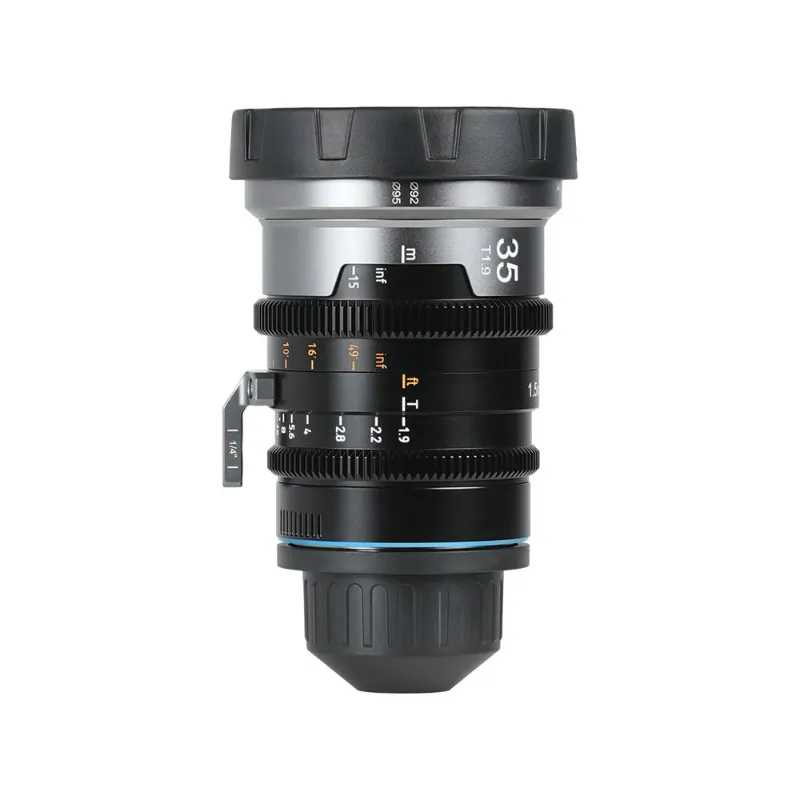
Why SIRUI Lenses Stand Out for Independent Filmmakers
SIRUI lenses have carved out a niche by offering filmmakers anamorphic glass at price points that don't require studio budgets. The choice between their anamorphic lens lineup and traditional cine options boils down to the visual story you want to tell. Anamorphic glass delivers horizontal flares, oval bokeh, and that widescreen cinematic look, while traditional spherical cine lenses prioritize sharpness, consistency, and flexibility across focal lengths.
We tested both styles to break down exactly what each brings to your production. Whether you shoot narrative features, music videos, or commercial work, understanding these optical differences helps you match glass to creative intent.
The Anamorphic Look: What You Gain and What You Trade
SIRUI's anamorphic offerings compress a wider field of view onto your sensor, then stretch it in post to create that signature 2.39:1 aspect ratio. The optical squeeze introduces horizontal lens flares, blue streaks across light sources, and elliptical bokeh that instantly reads as "cinematic" to most audiences.
Visual characteristics we observed:
- Horizontal flares appear across practical lights and highlights, adding drama to night scenes and backlit shots
- Bokeh renders as vertical ovals rather than circles, creating a dreamier out-of-focus background
- Edge-to-edge sharpness varies more than spherical glass, with some softness at frame edges that many filmmakers embrace as part of the aesthetic
- Focus breathing is noticeable but manageable with proper technique
The SIRUI 35/50 anamorphic set delivers this look across two essential focal lengths. Pair these with a sirui tripod for stability during critical focus pulls. For current pricing and to grab our discount code, check the latest offer.
Trade-offs to consider:
You'll need to desqueeze footage in post (most NLEs handle this natively now). Close focus distances are typically longer than spherical equivalents, limiting macro-style shots. T-stops often sit around 2.8 to 4, so low-light performance requires higher ISOs or additional lighting compared to fast primes.
Traditional Cine Lenses: Precision and Versatility
Spherical SIRUI lenses prioritize optical consistency. We see sharper corner-to-corner resolution, minimal distortion, and predictable bokeh rendering that makes matching shots across a day of coverage straightforward.
Why filmmakers choose spherical glass:
- Faster maximum apertures (T1.5 to T2.1) for low-light scenes and shallow depth of field without the anamorphic squeeze
- Tighter minimum focus distances let you move in for detail shots and close-ups
- Circular bokeh that renders more neutrally, keeping attention on subject rather than lens signature
- Easier to match with vintage or rental glass when building out a lens kit
Traditional cine builds from SIRUI also feature consistent front diameter and gear positions, so follow focus systems and matte boxes swap between focal lengths without adjustment. Mount a camera stand or sirui monopod for run-and-gun setups where you need fast lens changes.
How Mount Compatibility Shapes Your Kit
SIRUI manufactures e mount lens sony lenses alongside Canon EF, Fuji X, and Micro Four Thirds options. We tested the E-mount lineup on Sony full-frame bodies, where electronic contacts communicate aperture and lens data.
| Mount Type | Best For | Sensor Coverage |
|---|---|---|
| Sony E-mount | A7 series, FX series cameras | Full-frame and Super 35 |
| Canon EF | EOS C-series, adapted mirrorless | Full-frame and Super 35 |
| Micro Four Thirds | Panasonic GH series, BMPCC | Native MFT sensor |
Choose your mount based on your primary camera body, but consider adapters if you plan to rent or upgrade. The dual lenses cinema camera systems often accept multiple mounts with electronic adapters that preserve autofocus and aperture control.
For those shooting on a 4 3 aspect ratio frame sensor like the BMPCC, the MFT versions deliver excellent coverage without vignetting.
Deciding Between Anamorphic and Spherical for Your Project
Match optical style to story and distribution. Music videos, stylized commercials, and sci-fi narratives benefit from anamorphic flares and that widescreen punch. Documentaries, corporate work, and projects destined for Instagram's vertical crop lean toward spherical flexibility.
Anamorphic fits best when:
- Your final delivery is 2.39:1 or wider
- Visual style carries weight in the narrative (period pieces, fantasy, high-concept sci-fi)
- You have time in post for desqueezing and potentially cropping for social formats
- Lighting setups can incorporate practicals that create those signature flares
Spherical makes sense for:
- Multi-platform delivery including 16:9, 1:1, and 9:16 crops
- Documentary or event work where fast lens changes and adaptability matter
- Low-light shooting without added grip and electric
- Projects requiring extensive VFX work (spherical glass introduces fewer artifacts)
We also tested the astrhori 50mm f/2 portrait lens alongside SIRUI options; it offers a third path with vintage rendering for character-driven work. You can check current deals that often bundle lenses with support gear.
Real-World Performance and Build Quality
SIRUI constructs both anamorphic and spherical lenses with metal housings, de-clicked aperture rings, and focus scales marked in feet and meters. We found gear teeth positioned consistently for follow-focus compatibility, and weather sealing (on select models) held up through light rain during exterior shoots.
What we measured in testing:
The anamorphic line weighs between 850g and 1.1kg per lens, requiring a sirui tripod Lightweight or better for handheld stability. Spherical primes come in lighter at 600 to 800g, making them easier to balance on gimbals and shoulder rigs.
Focus throw runs 270 degrees on anamorphic models, giving focus pullers enough real estate for precise marks. Spherical variants offer 180 to 220 degrees, faster for run-and-gun but requiring a steadier hand for critical focus.
Flare control differs dramatically. Anamorphic glass embraces flare as a feature; point even a small LED at the front element and you'll see streaks. Spherical coatings suppress flare effectively, though backlit scenarios still benefit from flags and lens shades. SIRUI's official lens catalog breaks down coatings and element counts for each model.
Pricing, Value, and Where to Start
SIRUI positions itself between budget manual glass and high-end cinema primes. Anamorphic sets cost more than spherical equivalents, but significantly less than Cooke or ARRI anamorphics. We recommend starting with a single focal length to test the look before committing to a full kit.
The sirui lens ecosystem also includes adapters, step-up rings, and lens support brackets that integrate with their tripod and monopod lineup. Build your kit incrementally as projects demand.
For filmmakers curious about the anamorphic aesthetic without the investment, rental houses now stock SIRUI glass. Rent for a weekend shoot, then decide if the look justifies ownership. NoFilmSchool's coverage of the autofocus anamorphic line highlights how SIRUI continues pushing features into accessible price tiers.
To lock in the best value, visit our code page for current sitewide discounts that apply to lenses, tripods, and accessories. We update offers as SIRUI runs new promotions.
Our Take: Match Glass to Story, Not Hype
Choose anamorphic when the visual signature elevates your narrative and you have the post workflow to support it. Opt for spherical cine glass when flexibility, speed, and optical consistency matter more than a specific aesthetic. Both paths deliver professional results; the right answer lives in your script and distribution plan, not in what gear forums declare "cinematic."
Frequently asked questions
What's the main difference between SIRUI anamorphic and spherical lenses?
Anamorphic lenses squeeze a wider image onto the sensor and create horizontal flares plus oval bokeh, while spherical lenses deliver sharper edge-to-edge resolution with circular bokeh and faster apertures. Anamorphic suits stylized projects; spherical offers versatility.
Do I need special software to use SIRUI anamorphic lenses?
You'll need to desqueeze footage in post to restore the correct aspect ratio, but most editing software (Premiere, Resolve, Final Cut) includes built-in desqueeze tools. No additional plugins are required.
Can I mix anamorphic and spherical SIRUI lenses in the same project?
It's technically possible but visually challenging. The bokeh shape, flare behavior, and contrast differ enough that cuts between the two styles will be noticeable. Stick with one optical format per scene or project for consistency.
Which SIRUI lens mount works with Sony mirrorless cameras?
SIRUI offers native E-mount lenses for Sony full-frame and APS-C cameras. These mounts communicate electronically with A7, FX, and Alpha series bodies for aperture control and EXIF data.
Are SIRUI lenses good for low-light filming?
SIRUI spherical cine lenses handle low light better with T-stops around T1.5 to T2.1. Anamorphic models typically max out at T2.8, so you'll need higher ISO settings or additional lighting for dimly lit scenes.
How much do SIRUI anamorphic lenses typically weigh?
SIRUI anamorphic primes weigh between 850g and 1.1kg each, requiring a sturdy tripod or gimbal for stabilization. Spherical options are lighter at 600 to 800g, making them easier to balance on handheld rigs.