
How to Care for a Kids Changing Robe So It Lasts Seasons

# How to Care for a Kids Changing Robe So It Lasts Seasons
If your little one spends weekends at the beach, pool, or lakeside, you already know how much a good childrens changing robe earns its keep. It keeps them warm, gives them privacy to get changed, and doubles as a cosy hooded blanket for the drive home. But like any piece of kit that gets soaked, sandy, and stuffed in a car boot, it won't last long unless you look after it properly.
The good news? Caring for a changing robe is simple once you know the routine. Here's exactly how to keep yours performing season after season — and how to get more from the rest of your outdoor kit at the same time.
Why Proper Care Matters
A quality childrens changing robe is an investment. Most are made with a waterproof outer shell, a fleece or sherpa lining, taped seams, and chunky zips or toggles. Salt water, chlorine, sunscreen, sand, and mud all work against those materials over time. A few small habits can mean the difference between a robe that fades and flakes in one summer and one that's still going strong three years later — possibly passed down to a younger sibling.
After Every Use: The 2-Minute Routine
1. Shake out sand and debris. Do it outside, ideally while the robe is still damp — sand comes off wet fabric far more easily than dried fabric.
2. Hang it up straight away. Never leave a wet robe crumpled in a bag or on the car floor. Damp fabric bunched up breeds mildew and that musty smell that's nearly impossible to remove. Hang it on a wide hanger or over a door with the hood up.
3. Air dry fully before storing. Let it dry naturally at room temperature. Avoid radiators and direct strong sunlight — excessive heat can degrade the waterproof coating, while prolonged UV exposure fades colours and weakens fibres.
4. Zip it up while hanging. Keeping zips closed helps them hold their shape and stops the teeth from bending.
Washing Your Childrens Changing Robe the Right Way
Most robes don't need frequent washing — a rinse and air-out after sandy or salty sessions is usually enough. When it is time for a proper clean:
- Check the care label first. Follow the manufacturer's instructions; they know the fabric best.
- Use a gentle, cool wash (typically 30°C) with a small amount of mild, non-biological detergent. Skip fabric softener entirely — it coats fibres and destroys water repellency.
- Close all zips and velcro before washing so they don't snag the fabric.
- Rinse twice if your child has been in the sea — salt residue degrades coatings over time.
- Air dry only. Unless the label explicitly allows tumble drying, skip it. Heat is the enemy of waterproof membranes.
For a great example of a well-made change robe designed to handle exactly this kind of regular use, check out this childrens changing robe.
Restoring Water Repellency
Over time, the durable water-repellent (DWR) finish on the outer fabric wears down. You'll notice the shell "wetting out" — water soaking into the fabric face rather than beading off. This doesn't mean the robe is ruined; it just needs a refresh:
- Wash the robe with a technical cleaner (like those made for waterproof jackets).
- While still damp, apply a spray-on or wash-in DWR re-proofer made for outerwear.
- Air dry, then gently tumble on low *only if the care label permits* — gentle heat actually helps activate some reproofer treatments.
Doing this once or twice a season will keep your childrens changing robe shedding water like new.
Smart Storage Between Seasons
When swim season ends:
- Make sure the robe is completely dry before storing.
- Store it loosely folded or hanging in a breathable cotton bag or on a hanger — never sealed in a plastic bin with moisture inside.
- Keep it out of direct sunlight and away from damp garages or lofts.
- Leave zips slightly open so the teeth aren't under constant tension.
Make the Robe Part of a Year-Round Kit
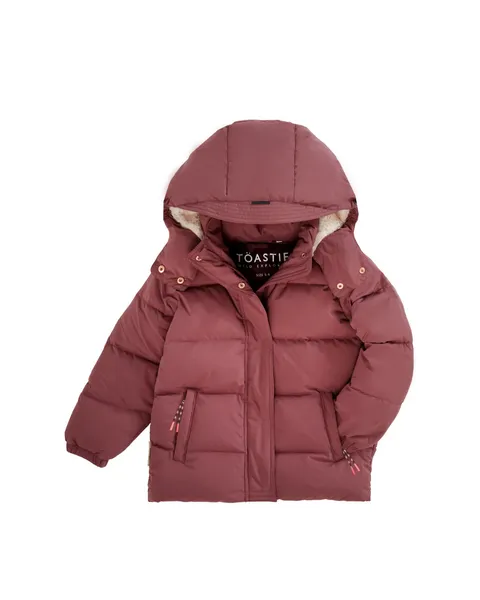
A changing robe pairs beautifully with the rest of your child's outdoor wardrobe. In colder months, a proper kids winter coat handles school runs and frosty walks, while the robe takes over for post-swim warm-ups. On rainy days in between, a yellow waterproof raincoat is perfect for puddle-jumping — and the bright colour keeps them visible in gloomy weather.
Brands like Dryrobe® USA - the World's most versatile change poncho pioneered this category, and their care guidance is worth reading even if you own a different brand — the principles of keeping change ponchos and robes clean and waterproof are universal.
Common Mistakes That Shorten a Robe's Life
- Leaving it wet in a bag — the number one cause of mildew and smell.
- Using fabric softener — it wrecks water repellency.
- Tumble drying on hot — melts coatings and shrinks fleece linings.
- Dragging it across rough ground — tears in the outer shell let water straight in.
- Storing it damp "just for a week" — that's all mildew needs.
Quick Care Checklist
- ✅ Shake out sand after every use
- ✅ Hang to dry immediately — never leave crumpled
- ✅ Cool wash, mild detergent, no softener
- ✅ Re-proof the shell once or twice a season
- ✅ Store dry, loose, and out of sunlight
Look after it, and a good childrens changing robe will outlast a growth spurt or two. And if you're stocking up on outdoor gear for the season ahead, don't forget to grab the 15% OFF All Orders deal on the ToastieExplorer discount code page before you check out.
FAQ
How often should I wash a childrens changing robe? Only when it genuinely needs it — after sandy, salty, or muddy sessions, a rinse and air-dry is usually enough. Full washes every few weeks of heavy use, or when it smells, are plenty.
Can I put a kids changing robe in the tumble dryer? Only if the care label explicitly allows it, and then on the lowest heat. High heat damages waterproof coatings and can shrink fleece linings. Air drying is always the safest option.
Why has my changing robe stopped repelling water? The durable water-repellent (DWR) finish wears off with use. Wash with a technical cleaner, then apply a spray-on or wash-in re-proofer to restore beading. Avoid fabric softener, which strips repellency.
Can I pass a changing robe down to a younger sibling? Absolutely — that's one of the best reasons to care for it well. Robes are generously sized with room to grow, and with proper washing, re-proofing, and storage, many last through several children.
Frequently asked questions
How often should I wash a childrens changing robe?
Only when it genuinely needs it — after sandy, salty, or muddy sessions, a rinse and air-dry is usually enough. Full washes every few weeks of heavy use, or when it smells, are plenty.
Can I put a kids changing robe in the tumble dryer?
Only if the care label explicitly allows it, and then on the lowest heat. High heat damages waterproof coatings and can shrink fleece linings. Air drying is always the safest option.
Why has my changing robe stopped repelling water?
The durable water-repellent (DWR) finish wears off with use. Wash with a technical cleaner, then apply a spray-on or wash-in re-proofer to restore beading. Avoid fabric softener, which strips repellency.
Can I pass a changing robe down to a younger sibling?
Absolutely — that's one of the best reasons to care for it well. Robes are generously sized with room to grow, and with proper washing, re-proofing, and storage, many last through several children.