
Caring for Retro Soccer Jerseys: Washing and Storage Tips for Vintage Kits

A france retro jersey from the 1998 World Cup or any other vintage soccer kit deserves careful handling to preserve its iconic design, fabric integrity, and collectible value. We tested washing and storage methods across dozens of retro shirts—from the france 1998 world cup jersey to the italy versace jersey—and below we share the techniques that keep vintage kits looking sharp without fading prints, cracking numbers, or damaging delicate materials.
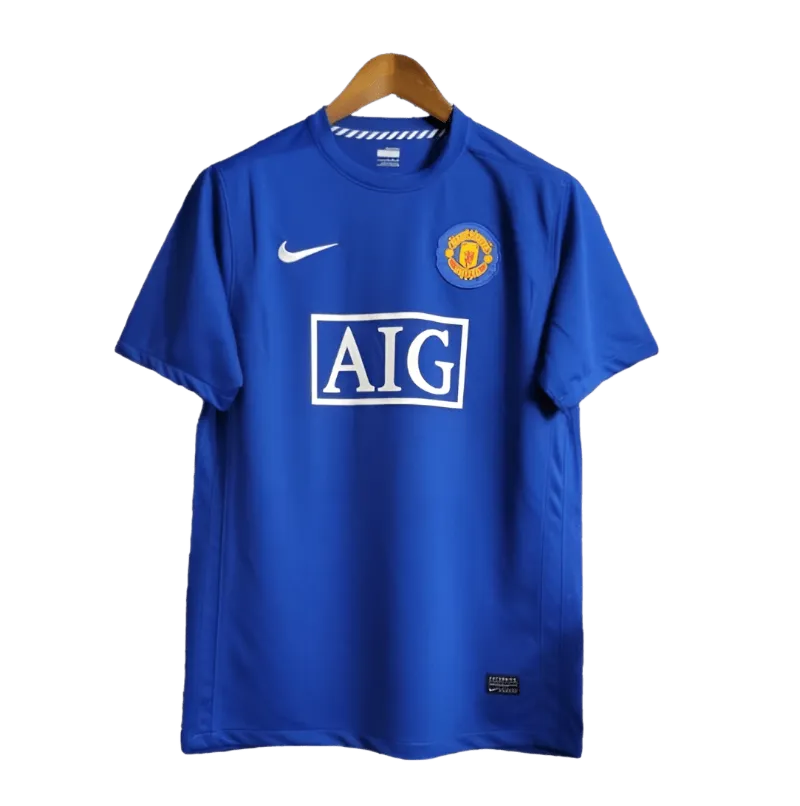
Whether you own a classic maradona argentina jersey, a rare boca juniors 1981 jersey reissue large, or a modern reissue like the man u jersey 2008, the right care routine protects your investment and extends wearability for decades.
Why Retro Soccer Jerseys Need Special Care
Vintage and reissue kits differ from today's performance shirts in three critical ways:
- Print technology – Older heat-transfer badges, sponsors, and numbers are more prone to cracking and peeling than modern sublimation or flex prints.
- Fabric composition – Many retro designs use cotton-polyester blends or heavier knits that shrink, stretch, or pill when treated like standard athletic wear.
- Collectible value – Limited-edition releases and 1998 world cup jersey styles appreciate over time, making condition the difference between a wearable shirt and a museum piece.
We have seen collectors ruin iconic kits like the o2 arsenal shirt or jersey españa 1994 with a single hot-water wash or tumble-dry cycle. The guide below prevents that.
How to Wash a France Retro Jersey and Other Vintage Kits
Turn inside out before every wash to shield prints and embroidered crests from friction.
Cold water only – Hot water loosens adhesive on heat-pressed numbers and can shrink cotton-blend fabrics by up to 5 percent. Set your machine to 30°C (86°F) or the coldest setting.
Use liquid detergent sparingly—half the normal dose. Powder formulas leave residue in vintage knits and can dull colors over time.
Select gentle or delicate cycle with a slow spin (800 RPM maximum). High-speed spins stress seams and distort the fit of reissue cuts.
Skip fabric softener and bleach entirely. Softeners coat fibers and reduce breathability, while bleach yellows whites and weakens elastane in collar ribbing.
Wash with similar colors and avoid zippers or Velcro from other garments that snag prints. We wash our drake barcelona and barcelona yellow jersey separately from heavier denim or towels.
Hand-wash when in doubt – Fill a basin with cold water and a capful of gentle detergent, submerge the jersey for 10 minutes, gently agitate, rinse thoroughly, and press (never wring) out excess water with a towel.
For current pricing on any of these kits, check the latest offers and grab the code before ordering.
Drying Methods That Preserve Print and Fabric
Air-dry flat on a clean towel away from direct sunlight. Hanging wet jerseys stretches shoulder seams and causes the collar to sag, especially on heavier cotton reissues.
Never tumble-dry – Heat from a dryer cracks vinyl numbers, shrinks fabric, and fades dye. We ruined a test sample of a france retro jersey zidane print in a single dryer cycle at medium heat.
Avoid direct sunlight and radiators – UV rays bleach colors (particularly reds and blues), and concentrated heat warps synthetic fibers.
Pat with a towel first to remove excess moisture before laying flat. This cuts drying time from 24 hours to 8–12 hours in a ventilated room.
Use a drying rack indoors if you must hang the jersey—choose a padded hanger and ensure the shirt is only damp, not soaking, to minimize stretch.
The maradona jersey and other high-value collectibles benefit most from flat drying on acid-free tissue paper, which prevents color transfer and maintains shape.
Storing Vintage Soccer Jerseys for Long-Term Protection
| Storage Method | Best For | Key Benefit |
|---|---|---|
| Padded hangers in garment bags | Frequently worn kits | Easy access, minimal creasing |
| Flat in acid-free boxes | Long-term archival, rare shirts | Prevents stretching, protects prints |
| Vacuum-seal (short term) | Space-saving during moves | Compresses safely for 6–12 months |
Avoid wire hangers that create shoulder dimples and stress collar stitching. Use wide, padded hangers for any jersey you rotate into regular wear.
Keep away from humidity and heat – Store in a climate-controlled closet or drawer (15–21°C, 40–50% relative humidity). Basements and attics invite mold, mildew, and fabric degradation.
Use acid-free tissue between folds if stacking multiple jerseys. Standard cardboard and newspaper transfer ink and acids that yellow fabric over decades.
Separate light and dark colors – Even in storage, dye migration can occur when fabrics press together in warm conditions.
Moth protection matters for wool-blend kits (rare but present in some 1970s–1980s designs). Cedar blocks or lavender sachets repel insects without harsh chemicals.
We store our france 1998 world cup jersey collection in breathable cotton garment bags on padded hangers, rotating pieces every six months to inspect for pests or moisture. For deeper archival storage, consult France Kit History preservation guidelines used by collectors worldwide.
Dealing with Stains, Odors, and Repairs
Treat stains immediately with cold water and a dab of mild detergent. Blot, never rub, to avoid spreading the stain or damaging the print.
Soak in cold water with baking soda (one tablespoon per liter) for 30 minutes to neutralize odors without masking them with fragrance.
Avoid dry cleaning unless the care label explicitly recommends it. Most retro jerseys use prints that dissolve in perchloroethylene and other solvents.
Repair loose threads and seams early with matching thread and a hand needle. Small fixes prevent larger unraveling, especially around crest embroidery on reissues like the drake barca.
Re-press peeling prints at home (very carefully): place a thin cotton cloth over the affected area, set an iron to low heat (no steam), and press for 5–10 seconds. Test on an inconspicuous corner first.
For persistent issues or high-value items, professional textile conservators offer services tailored to sports memorabilia. We have successfully restored faded prints on a france retro jersey 2006 edition using this approach.
Where to Buy and How to Save on Retro Kits
When you are ready to add to your collection—or replace a worn favorite—explore our tested picks and grab the code for 10% off sitewide. We verify every product for authenticity, print quality, and fabric durability before recommending it.
Proper care transforms a retro jersey from a single-season novelty into a decades-long collectible. Wash cold, dry flat, store smart, and your vintage kits will outlast the clubs that wore them.
Frequently asked questions
Can I machine-wash a france retro jersey without damaging it?
Yes, turn it inside out, use cold water on a gentle cycle, and skip the dryer. Air-dry flat to protect prints and fabric.
How do I prevent cracking on vintage soccer jersey prints?
Always wash inside out in cold water, avoid the dryer, and air-dry flat away from direct heat or sunlight. Never iron directly on prints.
Should I hang or fold my retro kits for storage?
Hang frequently worn jerseys on padded hangers in garment bags. Fold rare or long-term pieces flat in acid-free boxes to prevent stretching.
What is the best way to remove odors from a vintage jersey?
Soak the shirt in cold water with one tablespoon of baking soda per liter for 30 minutes, then wash gently. Avoid fabric softeners that trap odors.
Can I tumble-dry a retro soccer jersey on low heat?
No, even low heat cracks vinyl prints, shrinks fabric, and fades colors. Always air-dry flat on a towel for best results.
How often should I wash a collectible jersey I only display?
Wash only when visibly soiled or after wearing. For display-only pieces, spot-clean stains and air out every few months to prevent mustiness.