
How to Use the Band Stretcher for Safer Stretching at Home

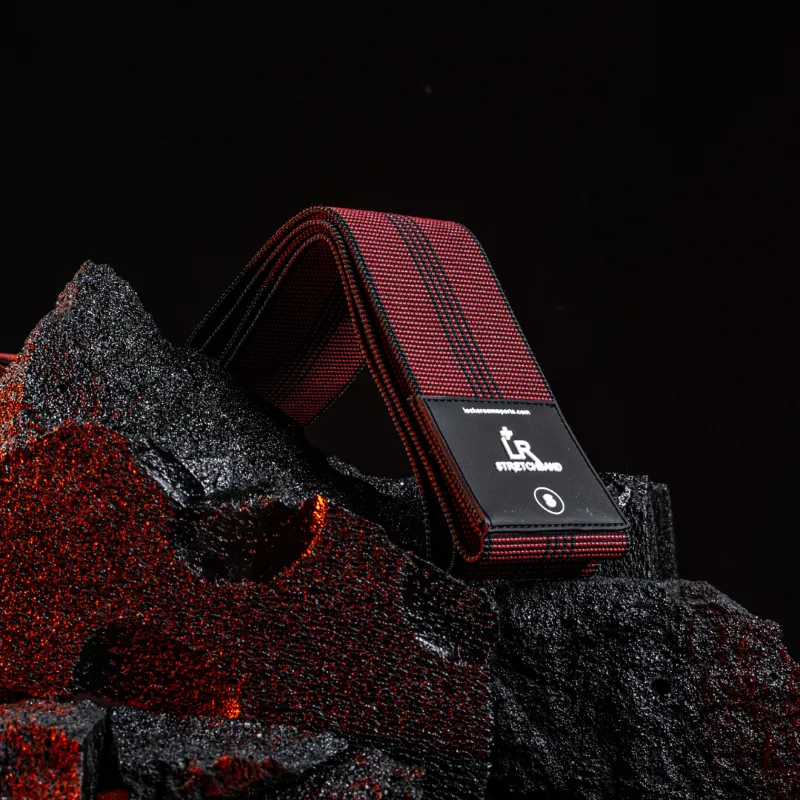
A band stretcher helps you control range, tension, and body position so at-home stretching feels steadier and easier to repeat. Lockeroom’s band stretcher is the main tool we’d start with for hamstrings, calves, hip flexors, shoulders, and gentle mobility work because it gives you more leverage without forcing a stretch. Pair it with smart pacing, a warm-up, and the right recovery tools, and it can make stretching safer than guessing with towels or loose resistance bands.
Why a Band Stretcher Beats Improvised Stretching
A purpose-built stretching tool is different from a random towel, belt, or exercise band. The goal is not to pull harder. The goal is to hold a stable position long enough for the muscle to relax while your joints stay supported.
That matters most when you are working on:
- Hamstrings and calves: stretching bands for legs let you raise the leg without rounding the back or grabbing behind the knee.
- Hip mobility: a strap gives you cleaner angles for lying hip flexor, adductor, and glute work.
- Shoulder range: bands for stretching shoulders can help with overhead reach and gentle external rotation when used slowly.
- Rehab-style routines: a stretch strap for physical therapy is useful when you need repeatable positions instead of aggressive flexibility drills.
For general background on how this category is used in rehab and mobility settings, this Leg Stretcher Band - Physiotherapy & Rehab overview is a helpful reference. We still recommend following your clinician’s plan if you are recovering from an injury, surgery, or nerve-related symptoms.
How to Use the Band Stretcher Safely
The safest way to use a band stretcher is to treat it as a positioning aid, not a force multiplier. You should feel a clear stretch, but not sharp pain, tingling, numbness, or joint pressure.
Use this simple setup:
- Warm up first: walk, cycle lightly, or do easy mobility for a few minutes before longer holds.
- Anchor the strap securely: place the loop or contact point around the mid-foot, not just the toes, unless the drill specifically calls for it.
- Keep the joint soft: avoid locking the knee or elbow aggressively.
- Move into tension slowly: pull until the stretch is noticeable, then pause.
- Breathe and settle: use slow exhales instead of bouncing.
- Exit with control: bend the joint, release tension, then lower the limb.
For a lying hamstring stretch, lie on your back, keep one leg down, loop the strap around the other foot, and raise the leg until the back of the thigh feels loaded. If your lower back lifts or your pelvis rolls, reduce the angle. For calves, keep the leg raised and gently draw the forefoot toward you without cranking the ankle.
For shoulders, keep the movement lighter. Many people pull too hard when using stretching straps exercise drills for the upper body. Start with gentle behind-the-back or overhead positioning, and stop before the front of the shoulder feels pinchy.
Best Lockeroom Tools to Pair With Stretching
The stretching strap is the center of the routine, but Lockeroom has several tools that make the session more complete. We like thinking in terms of sequence: release tight spots, stretch with control, then support recovery.
| Tool | Best Use | Where It Fits |
|---|---|---|
| rocket pocket | Small-area pressure work | Before stretching feet, calves, hips, or shoulders |
| trigger Pocket Physio | Trigger point style release | Before mobility work when a muscle feels guarded |
| thoracic wedge | Upper-back extension support | Before shoulder or chest stretches |
| ice bag with strap | Cold therapy positioning | After training when cooling is appropriate |
The rocket pocket is especially useful before lower-body stretching because small foot, calf, and hip restrictions can change how a stretch feels. The trigger Pocket Physio can serve a similar purpose for firmer, more targeted pressure. For shoulder work, we would usually prepare the upper back first with a thoracic wedge rather than forcing the arm into range.
If you are building a small home mobility kit, check the latest product availability and grab the code before you buy. Lockeroom’s offer can change, so the coupon page is the safest place to confirm the current deal.
Stretching Bands for Legs: Hamstrings, Calves, and Hips
Lower-body stretching is where this tool shines. A stretch band for flexibility gives you leverage while lying down, which reduces the temptation to fold forward and round the spine.
Try these practical uses:
- Hamstring hold: lie on your back, raise one leg with the strap, and keep the opposite leg relaxed.
- Calf bias: from the hamstring position, gently draw the toes toward the shin while keeping the heel long.
- Outer hip line: let the raised leg move slightly across the body while keeping both hips heavy.
- Adductor line: guide the raised leg slightly outward, stopping before the pelvis twists.
- Quad and hip flexor prep: use a side-lying or prone setup only if you can keep the knee comfortable.
For most people, consistency beats intensity. Short, repeatable holds after training or at the end of the day tend to be more useful than one aggressive session each week. If your goal is rehab, match the stretch angle and hold time to the plan from your physical therapist rather than copying a generic routine.
The MeyerPT product category page is also useful for understanding how stretch straps are commonly positioned for clinical and home use.
Shoulder and Upper-Back Mobility Without Forcing Range
Shoulder stretching often goes wrong because the arm moves farther than the shoulder blade and upper back can support. That is why we like pairing strap work with thoracic mobility.
A sensible upper-body flow looks like this:
- Use the thoracic wedge for gentle upper-back extension.
- Add easy breathing so the ribs soften.
- Use the strap for light overhead reach or behind-the-back positioning.
- Finish with active shoulder movement, not just passive holds.
The mobility wall pro series is a better fit if you want a more guided wall-based mobility setup, while back scapula work can help people who need awareness around shoulder blade movement. For elbow-heavy athletes, rocket elbow belongs more in the recovery and tissue-care category than in long passive stretching.
Use extra caution if you feel pinching at the front of the shoulder, nerve symptoms down the arm, or pain that worsens after the session. In those cases, reduce the range or get professional guidance.
Materials, Comfort, and Care
A good band stretcher should feel secure in your hands, stable around the foot, and easy to clean after floor work. We avoid making claims about exact materials or specs unless the store lists them, so confirm the current product details on the Lockeroom page before ordering.
When comparing stretching tools, look for:
- Grip comfort: you should be able to hold tension without wrist strain.
- Loop stability: the contact point should stay put during leg stretches.
- Edge feel: rough edges can irritate hands or bare feet.
- Packability: a compact tool is easier to use consistently at home or after training.
- Cleaning needs: wipe-down care matters if you use it on gym floors.
Care is simple: keep it dry, avoid dragging it across rough surfaces, and inspect it regularly. If you see fraying, cracking, stretched-out seams, or any change that makes it feel unreliable, stop using it and replace it.
Who This Tool Suits, and Who Should Be Careful
This tool suits people who want more control during home mobility work, especially if floor stretches feel awkward or inconsistent. It is a strong fit for runners, lifters, court-sport athletes, desk workers with tight hips, and anyone who prefers guided positions over freestyle stretching.
It may not suit you without professional input if you have:
- Recent surgery or a fresh muscle strain
- Sciatica-like symptoms, numbness, or tingling
- Joint instability or a history of dislocation
- Pain that increases during or after stretching
- A rehab plan with specific movement restrictions
If you are buying for general mobility, the band stretcher is the first item we would consider. If you also want pressure work, add rocket pocket or trigger Pocket Physio. If upper-back stiffness limits your shoulder range, consider a thoracic wedge or compression wedge depending on the support style you need.
Before checking out, use our Lockeroom page to check the latest price and confirm whether the sitewide code is still active. That keeps the guide useful without us guessing at prices or temporary sale details.
Frequently asked questions
Is a band stretcher safe for beginners?
Yes, if you use it gently and keep the stretch in a comfortable range. It is especially useful for hamstrings, calves, hips, and light shoulder mobility, but stop if you feel sharp pain, tingling, or joint pressure.
Can I use a towel instead of the Lockeroom band stretcher?
A towel can work in a pinch, but a purpose-built strap is usually easier to hold and position. The main benefit is control, especially for lying leg stretches and repeatable rehab-style routines.
How do I use rocket pocket with stretching?
Use the rocket pocket before stretching when a small area feels tight or guarded. Then use the stretching strap to hold a controlled position once the tissue feels more relaxed.
Does a thoracic wedge replace a stretching strap?
Not directly. A thoracic wedge supports upper-back positioning, while a stretching strap helps guide limbs through range, so they can complement each other for shoulder and chest mobility.
When should I use the ice bag with strap?
Use it after hard training only when cold therapy makes sense for your situation, such as managing short-term soreness or swelling. Do not use cold to push through pain or ignore an injury that needs assessment.