
Rocket Pocket vs Trigger Pocket Physio: Which Physio Tool Fits Your Recovery Routine?

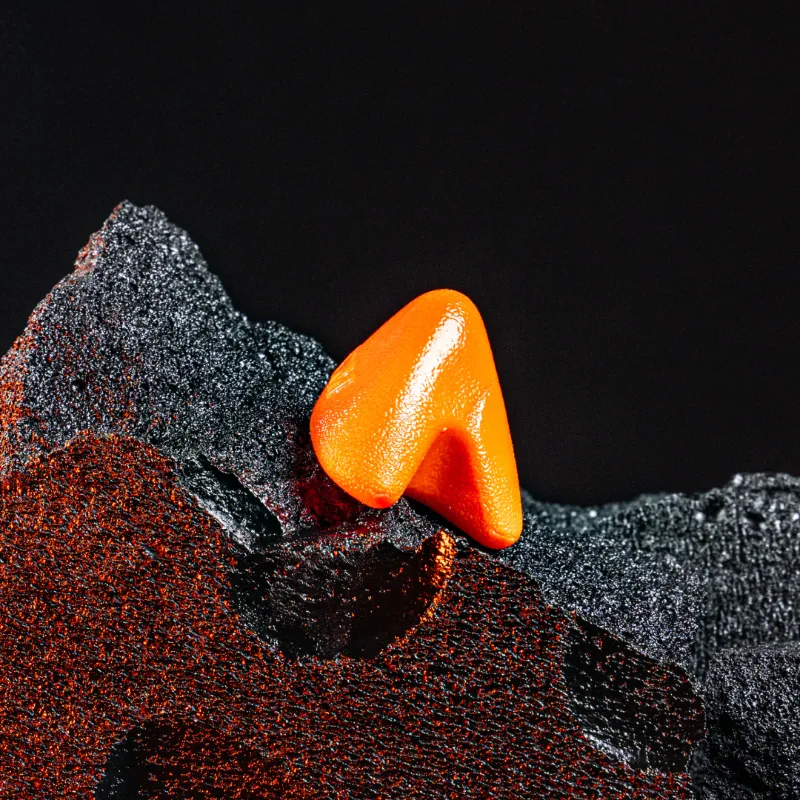
trigger Pocket Physio is the better pick if you want a compact, targeted physio tool for small trigger points, while the rocket pocket suits broader pressure and quick floor-based release work. We would choose based on the area you treat most often, how much pressure you like, and whether you need a pocketable tool or a more stable recovery station. Before buying, it is worth checking Lockeroom’s current pricing and sitewide code on our Lockeroom discount page.
Rocket Pocket vs trigger Pocket Physio: Quick Decision Guide
Both tools are built for self-directed muscle release, but they solve slightly different recovery problems. The rocket pocket is best for people who want a simple way to apply pressure through larger muscle groups. The trigger Pocket Physio is more focused, especially when you want to work into a small spot without carrying a full kit.
| Best for | Pick | Why |
|---|---|---|
| Small knots and precise pressure | trigger Pocket Physio | Easier to aim into a specific tight area |
| General lower-body or back release | rocket pocket | Better for broader pressure and floor routines |
| Travel, gym bag, or desk drawer use | trigger Pocket Physio | More compact for daily carry |
| Simple home recovery setup | rocket pocket | Stable and easy to pair with stretching |
Our practical rule is simple:
- Choose the trigger tool if you often say, “I need to hit that exact spot.”
- Choose the rocket option if you want a more general release tool for calves, glutes, back, or post-training maintenance.
- Choose both only if you already use self-massage regularly and want different pressure styles.
How Each Physio Tool Fits a Recovery Routine
The most useful recovery tool is the one you will actually use consistently. That is why the right choice is less about which tool looks more advanced and more about where it fits into your day.
The rocket pocket works well when you have floor space and a few minutes after training. It can become part of a simple reset routine:
- Start with light pressure on the tight area.
- Breathe slowly and avoid forcing the tissue.
- Shift position gradually instead of rolling aggressively.
- Follow with an easy stretch or mobility drill.
The trigger Pocket Physio is better when you need targeted pressure during smaller windows of time. Think after a long drive, between gym sets, during a work break, or when one stubborn spot keeps pulling your attention.
For either tool, we would avoid chasing pain. Strong sensation is not always better recovery. A useful session should feel controlled, specific, and repeatable, not like you are bracing through discomfort.
Where Rocket Pocket Has the Edge
The rocket pocket is the more natural choice for people who prefer a stable, no-fuss recovery setup. It is especially useful if you already do floor-based mobility or stretching and want one tool that can slot into that rhythm.
It may suit you if:
- You train legs, run, cycle, or play field sports.
- You want broader pressure through larger muscle groups.
- You like using bodyweight to control intensity.
- You prefer simple tools with a short learning curve.
- You recover at home rather than carrying tools around all day.
The main advantage is consistency. If a tool is easy to position and easy to repeat, it becomes part of your warm-up or cool-down rather than something that sits in a drawer. Pairing it with gentle stretching can also help you avoid turning every recovery session into aggressive pressure work.
If you are comparing Lockeroom options before ordering, use our current Lockeroom code page to verify the live offer and checkout details rather than relying on old sale screenshots or expired claims.
Where Trigger Pocket Physio Makes More Sense
The trigger Pocket Physio is the better fit for precision. It is designed for shoppers who want a small physio tool that can target a specific point without needing a full massage setup.
It may suit you if:
- You get recurring tight spots in small, specific areas.
- You want something compact enough for a gym bag.
- You need a tool that is easy to use in short sessions.
- You prefer targeted pressure over broad rolling.
- You already know which spots respond well to self-release.
This is also the better choice for people who travel or work at a desk and want a recovery tool nearby. Compact tools are easier to keep visible, and visible tools get used more often.
The limitation is that precision takes restraint. If you press too hard or stay too long on one irritated area, you can make things feel angrier rather than looser. We would use short, controlled bouts and stop if symptoms sharpen, spread, or feel nerve-like.
Useful Add-Ons: Band Stretcher, Wedges, and Ice Support
A physio tool works best when it is part of a balanced routine. Pressure can help you relax a tight area, but movement, positioning, and recovery support often matter just as much.
A band stretcher can be useful after release work because it helps you move into controlled stretches without yanking or bouncing. It is a practical companion if your main goal is mobility rather than just temporary relief.
Support wedges can also help if your routine includes posture work, gentle spinal positioning, or recovery on the floor. A thoracic wedge is usually considered for upper-back extension work, while a compression wedge may be more about supported positioning. Since sizing, firmness, and intended use can vary, check the product page before assuming either one fits your needs.
For soreness after training, an ice bag with strap is a different kind of recovery support. It is not a substitute for mobility or strength work, but it can be handy when you want cold application that stays in place while you rest.
Other Lockeroom tools, such as rocket elbow, mobility wall pro series, and back scapula, may make sense for more specific routines. We would look at those only after deciding whether your main need is targeted release, stretching support, wall-based mobility, or scapular movement work.
Materials, Comfort, and Pressure Control
We do not recommend buying any physio tool based only on how intense it looks. The better question is whether you can control the pressure safely and repeatably.
Look for these practical details on the store page:
- Shape: A smaller contact point usually feels more targeted, while a broader surface spreads pressure.
- Grip and stability: A tool that slips or shifts is harder to use with control.
- Portability: Compact tools are better for daily carry, but larger tools can feel easier at home.
- Cleaning: Smooth surfaces are usually simpler to wipe down after gym or travel use.
- Use position: Some tools work best on the floor, while others are easier against a wall or in hand.
Because Lockeroom’s product specifications and pricing can change, we would confirm the current details on the product page and then check the latest code before checkout.
Who Should Choose Which Tool?
Choose the rocket pocket if your recovery routine is mostly at home, you like floor-based pressure, and you want one simple tool for general muscle release. It is the better everyday pick for broad treatment areas and people who do not want to fuss with precise positioning every time.
Choose the trigger Pocket Physio if your main problem is a small, stubborn spot and you want a compact tool you can keep close. It is the more practical choice for travel, office drawers, gym bags, and targeted self-care.
If you are still unsure, start with the tool that matches your most common use case, not the most intense one. For many buyers, that decision comes down to this: broad pressure and home routines point to rocket pocket, while focused pressure and portability point to trigger Pocket Physio.
Frequently asked questions
Is trigger Pocket Physio better for small knots?
The trigger Pocket Physio is usually the better fit for small, precise spots because it is easier to aim into one tight area. Use gentle pressure and stop if the sensation becomes sharp, spreading, or nerve-like.
Can I use rocket pocket and trigger Pocket Physio together?
Yes, many people can use both because they serve different roles. The rocket pocket is better for broader release work, while the trigger tool is better for targeted pressure.
Do I need a band stretcher with a physio tool?
A band stretcher is useful if your goal includes mobility and controlled stretching after release work. It is not required, but it can make a recovery routine feel more complete.
When should I use an ice bag with strap instead?
An ice bag with strap is for cold application after soreness or irritation, while physio tools apply pressure to soft tissue. They are different recovery supports, so choose based on whether you need cooling, pressure, or both.
Where should I check the current Lockeroom price or code?
Check the product pages for current details and use our Lockeroom coupon page before checkout. We avoid quoting prices in guides because live pricing and offers can change.