
Ice Bag with Strap Review Questions: When Is Strapped Cold Therapy More Practical?

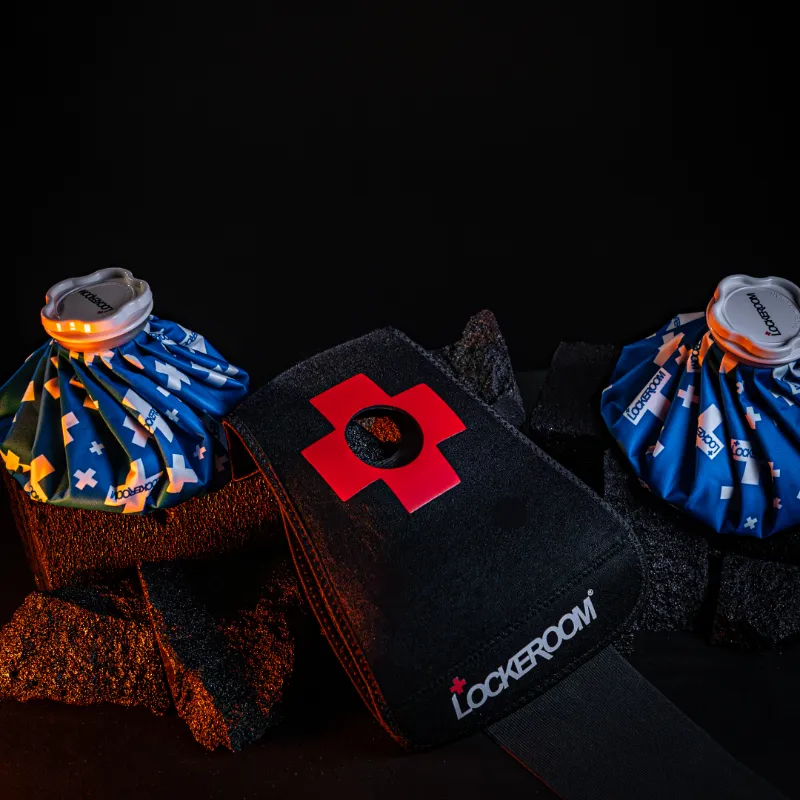
An ice bag with strap is most practical when you need cold therapy to stay put while you move, sit, or rest without constantly holding the bag in place. For Lockeroom shoppers comparing recovery tools, the ice bag with strap is the product to look at first, especially if loose gel packs slide around or make it hard to target a joint. We also like pairing cold therapy with simple mobility tools from the same range, such as rocket pocket, trigger Pocket Physio, rocket elbow, thoracic wedge, compression wedge, mobility wall pro series, and back scapula, depending on what you are trying to manage.
When an Ice Bag With Strap Makes More Sense Than a Loose Pack
A strapped cold pack solves a simple problem: most people do not want to sit perfectly still with one hand holding ice against a shoulder, knee, elbow, ankle, or lower back. The strap adds compression and placement control, which can make the session easier to repeat correctly.
It tends to make the most sense when you want to:
- Keep cold positioned over a joint while sitting or walking around the house
- Use both hands during a recovery session
- Apply cold to curved areas like an ankle, elbow, knee, or shoulder
- Reduce slipping compared with a towel-wrapped bag
- Create gentle, adjustable pressure without over-tightening
This is different from a basic freezer pack you might grab from a pharmacy search like “ice pack with velcro strap cvs” or “ice pack with velcro strap walgreens.” Those can work, but the practical question is whether the shape, strap, and fill style match the body area you actually want to cool.
For general background on cold packs for joint pain, Healthline has a helpful overview of ice packs for joint pain. We treat that as background reading, not as a substitute for your clinician’s advice.
Best Body Areas for Strapped Cold Therapy
The biggest benefit is secure contact. Cold therapy is usually more useful when it covers the target area evenly and does not shift every time you move.
Common use cases include:
- Ankle: A strap helps if you searched for “ice pack with velcro strap ankle” because ankle bones and tendons are hard to cover with a flat pack.
- Elbow: A contoured setup can be easier than balancing a small bag on the outside or inside of the joint.
- Knee: The strap keeps the pack from sliding down when the leg is slightly bent.
- Shoulder: It can help hold cold against the front, side, or top of the shoulder while you sit upright.
- Lower back: An ice pack strap for back use can be useful if the strap length and shape allow secure placement.
Face use is a separate question. If someone is searching “ice pack strap for face,” we would be cautious. Facial skin is sensitive, the contours are different, and pressure around the eyes or jaw can be uncomfortable. A product designed for joints is not automatically appropriate for the face.
How It Compares With Other Lockeroom Recovery Tools
Cold therapy is one part of a recovery setup. Lockeroom also carries mobility and pressure tools that fit different jobs, so it helps to separate what each product is meant to do.
| Product | Best Practical Use | When We’d Reach For It |
|---|---|---|
| ice bag with strap | Cold therapy with secure placement | After activity, on joints, or when a loose pack slips |
| rocket pocket | Targeted soft-tissue pressure | Small trigger-point work before or after mobility |
| trigger Pocket Physio | Portable pressure release | Desk, travel, or gym bag use |
| thoracic wedge | Upper-back positioning support | Thoracic extension and posture drills |
If your main issue is heat, swelling, or post-session soreness, the cold option is the more direct choice. If you are working on stiffness, soft-tissue pressure, or movement quality, tools like rocket pocket, trigger Pocket Physio, back scapula, or mobility wall pro series may be more relevant.
For shoppers ready to compare availability or apply the current Lockeroom offer, we would grab the code before checkout rather than relying on a stated price in a review.
Strap Design, Fit, and Comfort Details to Check
A strap can make cold therapy easier, but only if it fits the area comfortably. We look for adjustability first, because the same product may need to wrap around a smaller ankle one day and a larger shoulder or thigh another day.
Before buying, check:
- Strap length: It should reach around the target area without forcing an awkward angle.
- Closure style: A velcro strap for ice pack use is practical because it is quick to adjust.
- Pressure control: You want secure contact, not numbness from over-compression.
- Bag flexibility: A bag that conforms to curves usually feels better on joints.
- Skin barrier: Cold should not sit directly on bare skin unless the product instructions clearly allow it.
The safest habit is to follow the product’s use instructions and stop if the area becomes painfully cold, numb, or unusually irritated. If you are using cold after surgery, injury, or for a medical condition, follow your clinician’s protocol. This shoulder-pack guide from an orthopedic center shows the kind of placement thinking that matters when applying a cold pack: How to Apply the Active Ice Shoulder Pack.
Ice Bag With Strap vs Gel Bead Packs
An ice bag with strap usually appeals to people who want a reusable, fillable cold option that can be positioned securely. Gel bead packs can be convenient, but they introduce different questions around leaks, stiffness, and contents.
| Feature | Strapped Ice Bag | Gel Bead Pack |
|---|---|---|
| Fill control | You control the amount of ice or water | Factory-filled |
| Flexibility | Depends on fill level and bag design | Often flexible when chilled |
| Leak concern | Check cap and seams | Check pouch integrity |
| Safety question | Avoid direct skin overexposure | Do not ingest contents |
Searches like “ice pack gel beads poisonous” usually come from leak concerns. We never assume the contents of any gel pack are safe to touch, taste, or leave near children or pets. If a gel pack leaks, follow the manufacturer’s disposal guidance and avoid using it again.
The strapped ice bag route is simpler for many households because the fill is familiar and replaceable. The tradeoff is that you need to fill, empty, and dry it properly.
Care, Cleaning, and How to Make It Last
Cold therapy products get handled when people are sweaty, sore, and in a hurry, so care matters. A few basic habits help keep the bag more pleasant to use and reduce the chance of odor or leaks.
Use this routine:
- Empty the bag after each session.
- Let the inside dry before closing it for storage.
- Wipe the exterior and strap if they pick up sweat or lotion.
- Check the cap, seams, and strap attachment before reuse.
- Store it open or loosely closed in a dry place.
Avoid overfilling. Too much ice can make the bag bulky and harder to wrap around a joint. It can also create pressure points under the strap. We prefer a fill level that lets the bag mold to the body area rather than sit like a hard block.
If the strap loses grip, the cap stops sealing cleanly, or the fabric shows wear, replace the product rather than improvising with excessive pressure. A cold pack that leaks or slides is not doing its job well.
Who Should Buy It, and Who Should Choose Something Else
This product makes the most sense for people who already know they want repeatable cold application with less hand-holding. It is especially practical for athletes, gym users, walkers, active parents, desk workers with occasional flare-ups, and anyone who finds loose ice packs annoying.
It may not be the right first choice if:
- You need a face-specific cold wrap
- You want heat therapy rather than cold
- You cannot tolerate cold comfortably
- Your clinician told you to avoid icing
- You need a medical-grade cold compression system
If you are building a fuller Lockeroom setup, the strapped cold pack can sit alongside movement tools rather than replace them. For example, band stretcher may fit flexibility work, thoracic wedge may support upper-back positioning, compression wedge may help with supported angles, and rocket elbow may suit targeted arm work.
For current pricing, product availability, and the Lockeroom sitewide offer, check the latest price before you buy. We avoid listing a fixed price here because store pricing and discount code details can change.
Bottom Line: Practical Cold Therapy Without Babysitting the Pack
A strapped cold pack is worth considering when placement is the problem, not just temperature. If you regularly ice an ankle, elbow, knee, shoulder, or back and hate holding a pack in place, the Lockeroom option is a straightforward recovery tool to compare.
Our practical buying advice is simple: choose it if the strap fit matches the body area you care about, follow the use instructions, and pair it with mobility or pressure tools only when they serve a separate purpose. Before checking out, use our Lockeroom page to get the current code so you can confirm the live offer at the store.
Frequently asked questions
When should I use an ice bag with strap instead of a loose pack?
It is most useful when you need cold therapy to stay positioned over a joint without holding it by hand. Ankles, elbows, knees, shoulders, and some back placements are the most practical use cases.
Can I use the Lockeroom ice bag with strap on my ankle?
Only if the strap length, shape, and product instructions support that placement. Do not over-tighten it, and stop if you feel numbness, sharp discomfort, or skin irritation.
Does a velcro strap for ice pack use add compression?
No. The strap helps with positioning and gentle contact, but it does not turn the product into a medical cold compression system. Follow clinician guidance if you are recovering from surgery or a significant injury.
How is rocket pocket different from the cold therapy bag?
The ice bag is for cold application, while rocket pocket is for targeted soft-tissue pressure. They can both fit a recovery routine, but they solve different problems.
How do I clean and store the ice bag after using it?
Empty it after use, let the inside dry, wipe the exterior and strap, and check the cap and seams before the next session. Avoid storing it wet or overfilled.