
Rocket Elbow Troubleshooting: How to Position This Physio Tool for Elbow Relief

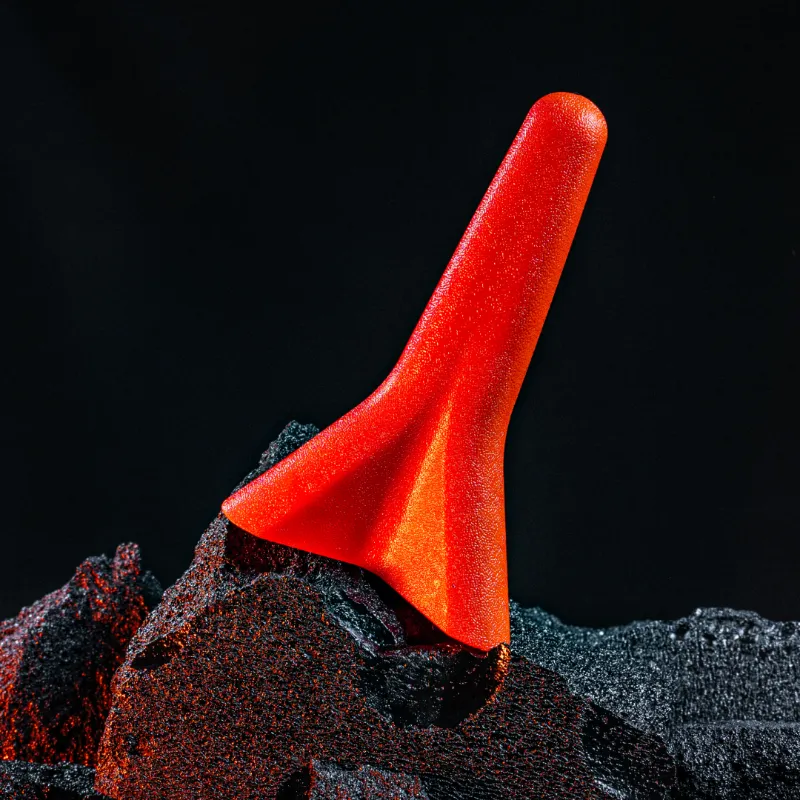
The rocket elbow works best when you position it on the soft tissue around the elbow, not directly on the joint, and use light, controlled pressure while you move the forearm through a comfortable range. For Lockeroom shoppers comparing the rocket elbow with tools like the rocket pocket, trigger Pocket Physio, band stretcher, and ice bag with strap, the goal is simple: find the tender tissue, dose pressure carefully, and stop before irritation builds. If you are managing diagnosed elbow OCD, sharp pain, swelling, locking, or symptoms after trauma, use this guide as product-positioning help only and get medical advice before self-treating.
Rocket Elbow Placement Basics
Start by thinking of the tool as a targeted pressure aid, not a brace and not a substitute for assessment. It is meant to help you apply pressure to surrounding muscles and soft tissue that may feel tight after training, desk work, climbing, lifting, racket sports, or repetitive gripping.
Use this setup first:
- Sit with the shoulder relaxed and the forearm supported.
- Keep the elbow slightly bent rather than locked straight.
- Place the tool on muscle near the sore area, not on the bony point of the elbow.
- Add pressure gradually until it feels firm but manageable.
- Slowly bend and straighten the wrist, rotate the palm, or open and close the hand.
Common spots to explore include:
- Outside forearm: Often relevant for gripping discomfort or tennis-elbow-style irritation.
- Inside forearm: Often relevant for throwing, climbing, or golf-elbow-style tightness.
- Upper forearm near the crease: Useful only if pressure stays on soft tissue and does not create tingling.
- Triceps area above the elbow: Helpful when the back of the arm feels stiff, but avoid pressing directly on the olecranon, the bony elbow tip.
If you are unsure whether your issue is soft-tissue tightness or something more structural, resources like Elbow OCD: Home can help you understand when elbow symptoms deserve a closer medical look.
Troubleshooting Pressure, Angle, and Pain Signals
Most positioning mistakes come from pressing too hard, chasing the exact painful spot, or placing the tool over bone. Good pressure should feel specific and useful, not electric, sharp, numbing, or worsening.
Use this quick troubleshooting table:
| Problem | Likely Cause | Better Adjustment |
|---|---|---|
| Sharp pain | Tool is on bone or irritated tissue | Move slightly above or below the painful spot |
| Tingling or numbness | Nerve irritation or too much pressure | Stop, reduce pressure, and avoid that line |
| No sensation | Too little contact or wrong angle | Reposition onto thicker muscle tissue |
| Worse soreness after | Session was too aggressive | Shorten time and lower pressure next use |
A practical rule we use when testing physio tools: you should feel clearer movement or less guarding after a short session, not a flare that changes your day. If discomfort climbs while using the tool, stop instead of trying to “release” through it.
For buyers, current pricing and any active Lockeroom offer can change, so check the latest price before ordering rather than relying on an old deal mention.
Rocket Pocket, Trigger Pocket Physio, or This Tool?
The rocket pocket and trigger Pocket Physio sit in the same general recovery category, but they do not solve the same positioning problem in exactly the same way. Think less about which one is “best” and more about which contact shape fits the area you are trying to reach.
| Product | Best Fit | Buyer Notes |
|---|---|---|
| rocket pocket | General trigger-point work | Useful when you want a compact tool for multiple body areas |
| trigger Pocket Physio | Smaller, focused pressure | Better when you want precise contact and controlled pressure |
| rocket elbow | Elbow-adjacent positioning | Built around the elbow and forearm use case |
| ice bag with strap | Cooling after activity | Useful when cold therapy is part of your routine |
If your main issue is forearm muscle tightness after gripping, start with the elbow-focused tool or the trigger Pocket Physio. If you want one small option that can travel in a gym bag and work around the shoulder, hip, or calf too, the rocket pocket may be the more flexible buy.
Cold therapy is a separate decision. The ice bag with strap is not a pressure-release tool, but it can be useful after activity if your clinician or recovery plan includes icing. For the current Lockeroom code, use our grab the code page before checkout.
When Elbow OCD Symptoms Need a Different Plan
Some elbow pain is not a simple soft-tissue problem. Search terms like elbow ocd, ocd elbow symptoms, ocd elbow xray, osteochondritis dissecans elbow treatment, and ocd elbow surgery usually point to a different buyer intent: people are trying to understand a joint condition, not just a tight forearm.
Be more cautious if you notice:
- Deep joint pain rather than surface muscle tenderness.
- Swelling, catching, locking, or loss of motion.
- Pain in a young athlete who throws, tumbles, or loads the arm heavily.
- Symptoms linked to ocd elbow gymnastics or repetitive impact sports.
- A known diagnosis where your clinician has discussed imaging, rest, bracing, or surgery.
In those cases, a massage-style tool may still feel good around surrounding muscles, but it should not replace medical guidance. OCD elbow recovery time varies by diagnosis, treatment path, and sport demands, so we would not use a product page or discount code as a substitute for a clinician’s timeline.
Pairing With Stretching and Shoulder Mobility
Elbow relief often improves when the wrist, shoulder, and upper back are part of the plan. The forearm does a lot of gripping work, but shoulder stiffness and poor scapular control can make the elbow take more load than it should.
A simple routine could look like this:
- Use light pressure around the forearm for a short prep session.
- Follow with wrist flexor and extensor stretches using the band stretcher if bands are already part of your mobility routine.
- Add shoulder or upper-back work with the mobility wall pro series or back scapula if your limitation is higher up the chain.
- Finish with easy, pain-free gripping or range-of-motion work.
Support wedges also have a place, especially if your posture, thoracic extension, or rib-cage position affects how your shoulder moves. The thoracic wedge and compression wedge are not elbow tools, but they may fit a broader mobility setup if your coach, therapist, or training plan already includes upper-back positioning work.
Avoid turning this into a long, aggressive recovery circuit. Two or three focused steps done consistently usually beat a complicated routine that irritates the area.
Care, Sizing Feel, and Buying Tips
Before buying, look at how you will actually use the tool. If you need something for a gym bag, choose compact and simple. If you want a home recovery station, pairing an elbow tool with stretching or cooling accessories may make more sense.
Check these details on the product page before checkout:
- Contact shape: Make sure it suits forearm and elbow-adjacent tissue rather than broad massage only.
- Grip and control: You should be able to adjust pressure without straining the opposite hand.
- Cleaning guidance: Follow the store’s care instructions for the material instead of using harsh cleaners by default.
- Return and shipping terms: Confirm directly with Lockeroom before purchase.
- Current offer: Use the store page to verify any active discount.
We also recommend keeping the first few sessions conservative. New pressure tools can feel effective immediately, which makes it tempting to overdo them. Start with brief use, track how the elbow feels later that day, and build only if the response is calm.
If you are ready to compare the product page with the active store offer, check the latest Lockeroom deal before you buy.
Frequently asked questions
Where should I place the rocket elbow for elbow relief?
Place the rocket elbow on the soft tissue around the elbow and forearm, not directly on the bony point or inside a painful joint line. Use light pressure first and move the wrist or forearm slowly to test the response.
When should I avoid using a physio tool on my elbow?
Stop using the tool and get medical advice if you have locking, swelling, deep joint pain, numbness, or pain after a fall or impact. Those signs may need assessment rather than self-treatment.
Is the rocket pocket better than an elbow-specific tool?
The rocket pocket is a more general compact pressure tool, while the elbow-focused option is built around forearm and elbow-adjacent positioning. If you want one tool for multiple body areas, the rocket pocket may be more versatile.
Can I use the band stretcher after soft-tissue work?
It can be paired with light stretching if stretching does not increase symptoms. Keep the sequence gentle, and stop if the elbow feels sharper, weaker, or more irritated afterward.
Can a physio tool shorten OCD elbow recovery time?
Not by itself. OCD elbow recovery time depends on the diagnosis, imaging findings, treatment plan, and sport demands, so a clinician should guide return-to-activity decisions.
Should I use the ice bag with strap after training?
Use the ice bag with strap only if cold therapy fits your recovery plan or clinician’s advice. It is a cooling accessory, not a substitute for diagnosing the cause of elbow pain.