
Mobility Wall Pro Series and Back Scapula: How to Build a Home Mobility Setup

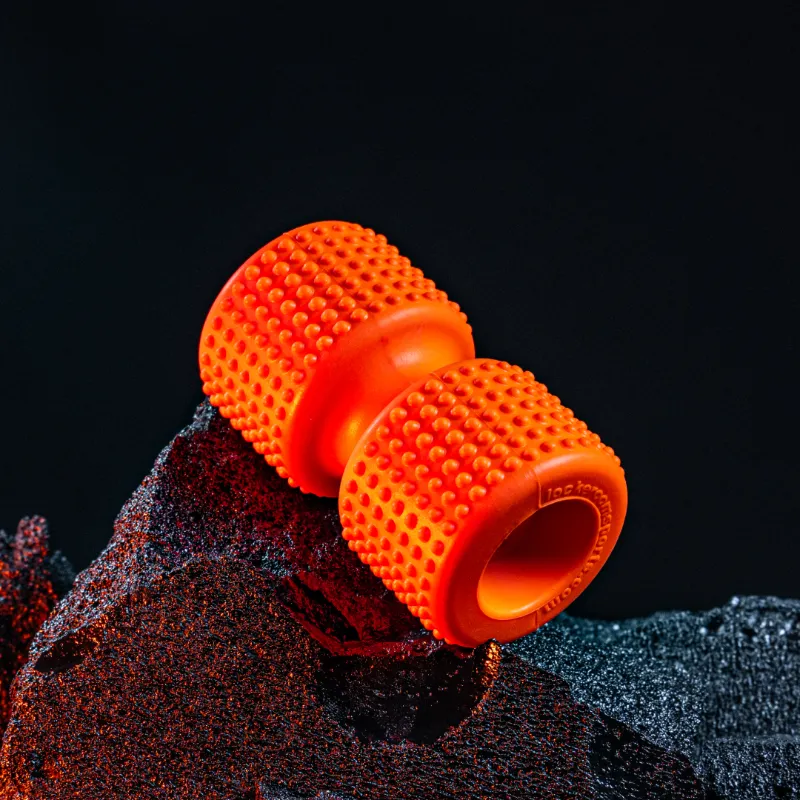
The mobility wall pro series is the best starting point if you want a compact home mobility setup that targets your back, shoulders, and hips without filling the room with bulky gear. We would build around it with the back scapula for shoulder blade work, then add a few smaller recovery tools only if your routine needs them. For the latest Lockeroom price or code, check the current offer before you buy.
Why Build Around the mobility wall pro series
A wall-mounted roller setup solves a common home recovery problem: floor tools work, but they can be awkward if you struggle to hold positions, want more pressure control, or need a faster routine between training days. The wall format lets you stand, shift your body weight, and work through tight areas with less setup.
The main buyer intent here is simple: people want a tool that feels more directed than a standard mobility foam roller but still fits in a small home gym, bedroom, or office. The Mobility Wall design has also been covered outside the store ecosystem, including this hands-on gear review from Triathlete, Reviewed: Mobility Wall, The Rolls Royce of Foam Rollers, which is useful background if you are comparing formats.
A practical home setup should cover:
- Back and scapula work: for upper back, shoulder blade, and postural tension
- Thoracic extension: for people who sit a lot, lift, swim, cycle, or throw
- Stretch assistance: for hips, hamstrings, calves, and shoulders
- Targeted pressure: for smaller trigger-point style areas
- Cold therapy: for post-training soreness when appropriate
We would not buy every recovery tool at once. Start with the biggest use case, then add the tool that solves the next limitation in your routine.
Mobility Wall Pro Series vs Back Scapula: What Each Does Best
The mobility wall pro series and Back Scapula overlap in the broad goal, which is better movement and less stiffness, but they are not the same tool. The wall system is the anchor. Back Scapula is more focused on the shoulder blade region and upper back mechanics.
| Tool | Best For | Why It Belongs |
|---|---|---|
| Mobility Wall Pro Series | Standing back, hip, and shoulder rolling | Easier pressure control than many floor-based tools |
| Back Scapula | Shoulder blade and upper back mobility | More specific to scapular movement and tight postural areas |
| Band Stretcher | Assisted stretching | Helps you add range-of-motion work after soft-tissue work |
| Thoracic Wedge | Upper-back extension support | Useful when you want a passive support tool |
If your main issue is general stiffness, start with the wall tool. If your issue feels concentrated around the shoulder blades, upper traps, or mid-back, Back Scapula deserves a closer look. If you train overhead movements, sit at a desk, or feel restricted when rotating through the upper spine, pairing both can make sense.
One caution: these are mobility and recovery tools, not medical devices. If you have sharp pain, numbness, recent injury, or symptoms that worsen with pressure, get professional guidance before using any roller or wedge.
A Simple Wall Mobility Exercise Routine
A good routine should be short enough that you actually repeat it. We like a sequence that starts broad, moves into specific restrictions, then finishes with stretching. That keeps the setup useful for real life instead of turning it into another abandoned corner of equipment.
Try this order:
- Upper back passes: stand with the roller around mid-back height, move slowly, and avoid digging directly into the spine.
- Lat and side-body work: turn slightly so the roller reaches the side of the ribcage and upper back.
- Glute and hip pressure: adjust your stance so you can control pressure without twisting aggressively.
- Scapula-focused work: use Back Scapula for the shoulder blade area if that is your limiting point.
- Assisted stretching: finish with the band stretcher for hamstrings, calves, shoulders, or hips.
The goal is not to chase pain. Useful pressure usually feels firm, specific, and tolerable. If you tense up, hold your breath, or feel symptoms travel, reduce pressure or stop.
For people searching for a mobility wall video or mobility wall app, we would treat those as guidance tools rather than requirements. A video can help you learn angles, but the routine still needs to match your body, your training, and your tolerance.
Add-On Tools: Thoracic Wedge, Rocket Pocket, and Ice Bag
Once the main wall setup is covered, add-ons should solve a clear problem. This is where it is easy to overspend, especially if you are browsing mobility wall reviews, social posts, or comparisons like mobility wall amazon listings. We would keep the kit focused.
The thoracic wedge is the most logical support add-on for people who want upper-back extension work. It is different from rolling because it gives you a stable shape to lean over rather than a moving surface. That can be useful before lifting, after desk work, or as part of a breathing and posture reset.
Other tools can round out the setup:
- Rocket pocket: a small physio tool for targeted pressure when a wall roller is too broad
- Trigger Pocket Physio: another compact option for precise soft-tissue work
- Rocket elbow: useful if your elbow and forearm areas need more focused attention
- Compression wedge: support-style pressure for positions where a roller is not ideal
- Ice bag with strap: cold therapy support after hard sessions or flare-ups
We would prioritize based on the kind of discomfort you actually experience. Tight upper back? Choose a thoracic support tool. Tight hips and hamstrings? Add a stretching tool. Local knots that a roller misses? Consider a pocket-style physio tool. Post-session soreness? The ice bag with strap may be more relevant than another roller.
Before checking out, grab the Lockeroom code so you can compare the current deal against the exact setup you are building.
Sizing, Setup, and Where It Fits at Home
The key advantage of a wall-based setup is space efficiency. You do not need a dedicated recovery room, but you do need a spot where you can stand, shift weight, and move your arms without bumping furniture. A doorway, wall area near a home gym, or quiet office corner can work if the product setup is compatible with that space.
Before buying, check the store page for current installation details, included components, and any compatibility notes. We do not recommend assuming that every door, wall, or trim style will work the same. If your home has unusually thick trim, narrow clearances, fragile surfaces, or rental restrictions, verify setup requirements first.
A good buying checklist:
- Space: can you stand and move side to side comfortably?
- Pressure control: can you lean in and out without losing balance?
- Use frequency: will it stay visible enough that you use it weekly?
- Storage: do small tools have a bin or shelf nearby?
- Routine fit: does the setup match your training, work posture, or rehab guidance?
If you are comparing a mobility wall smooth roller to a standard floor roller, think about body position first. Floor rollers often require bracing through the arms and hips. Wall tools let you stay upright, which can be more approachable for quick daily use.
Materials, Care, and Longevity
We do not make claims about materials or specs unless Lockeroom lists them directly on the product page. What we can say is that mobility tools last longer when you keep them clean, dry, and used for their intended purpose.
Basic care habits:
- Wipe contact surfaces after sweaty sessions
- Let any damp gear dry before storing it
- Keep straps, bands, and small physio tools away from sharp edges
- Avoid using wedges or rollers on unstable furniture
- Inspect moving or mounted parts before heavier pressure sessions
The same logic applies to the band stretcher and ice bag with strap. Stretching tools should not be yanked past their intended use, and cold therapy products should be checked for secure closure and comfort before applying them for a session.
For current product details, availability, and the storewide promo, check the latest Lockeroom price rather than relying on old screenshots or third-party listings.
Who This Setup Suits Best
This setup is best for people who want repeatable mobility work at home without turning recovery into a long project. It is especially useful for desk workers, lifters, runners, cyclists, swimmers, and anyone who knows they feel better after soft-tissue work but rarely wants to get down on the floor.
It may suit you if:
- You want a standing alternative to a mobility foam roller
- You need upper-back and shoulder-blade work after long sitting blocks
- You prefer short routines before or after training
- You want a setup that can grow with add-on tools
- You are building a practical home gym recovery corner
It may not be right if you need medical treatment, have unclear pain symptoms, or want one tool to replace professional assessment. Recovery gear works best when it supports consistent movement, sleep, training load management, and smart programming.
Our practical recommendation is to start with the mobility wall pro series as the anchor, add Back Scapula if shoulder-blade mobility is a priority, then choose one support or stretching accessory that matches your main limitation. That gives you a focused setup instead of a drawer full of tools you rarely touch.
Frequently asked questions
Should I buy the mobility wall pro series or Back Scapula first?
The mobility wall pro series is better if you want a broad, standing roller setup for multiple areas. Back Scapula is more focused on shoulder blade and upper-back work, so it is a strong add-on if that is your main restriction.
Can the Mobility Wall Pro Series replace a foam roller?
Yes, many people use a wall-based roller as a more upright alternative to floor rolling. It may be easier to control pressure, but you should still avoid sharp pain and follow the product setup guidance.
Which Lockeroom tool should I add after the wall roller?
The band stretcher is the most logical next add-on if you want assisted stretching after soft-tissue work. If your upper back is the priority, a thoracic wedge may be the better second tool.
Does the wall roller work in every doorway or room?
Check the Lockeroom product page for current installation and compatibility details before buying. Door, trim, and wall setups can vary, so do not assume every home layout works the same way.
When would I use the ice bag with strap?
An ice bag with strap can be useful after hard training or for short-term soreness support when cold therapy is appropriate. It is not a substitute for medical care if pain is severe, persistent, or linked to an injury.
Where should I check for the current Lockeroom code?
We recommend comparing the current Lockeroom offer through the coupon page before checkout. That is safer than relying on old mobility wall reviews or third-party listings that may not reflect today’s availability.