
Cat Ear Mites vs Ear Infection: How to Identify and Treat the Difference

Cat Ear Mites vs Ear Infection: How to Identify and Treat the Difference
Cat ear mites produce dark, dry, coffee-ground discharge with minimal odor, while bacterial or yeast ear infections create moist, yellowish or greenish discharge with a strong, unpleasant smell. Both conditions cause head shaking and ear scratching, but knowing which one your cat has determines whether you need anti-parasitic treatment or antibiotics. We tested dozens of cat ear mites remedies and reviewed veterinary protocols to help you identify the problem and choose the right treatment fast.
How to Tell Cat Ear Mites Apart from Infections
The discharge appearance gives you the fastest clue. Ear mites—tiny parasites that feed on skin oils and debris—leave behind dark brown or black crumbly material that looks like coffee grounds. This debris is a mix of mite waste, blood, and dead skin cells. In contrast, bacterial infections produce wet, sticky discharge that ranges from yellow to green, and yeast infections create a brownish, waxy buildup with a distinct musty or sweet odor.
Ear mites are contagious and spread easily between cats, especially in multi-cat households or shelters. Infections, however, usually develop from allergies, trapped moisture, or an overgrowth of normal bacteria or yeast already present in the ear canal.
Key visual differences:
- Mites: Dry, crumbly, dark debris with little to no smell
- Bacterial infection: Wet, yellowish-green pus with a foul odor
- Yeast infection: Brown, greasy wax with a sweet or fermented smell
Scratching intensity can also hint at the cause. Mites trigger relentless itching because they move and bite inside the ear, while infections often cause more pain and sensitivity when you touch the ear flap.
Cat Ear Mites Symptoms and Behavior Clues
Beyond discharge, watch for these behavioral signs that point to mites rather than infection:
- Intense head shaking and ear scratching: Cats with mites scratch so hard they can rupture blood vessels in the ear flap, causing painful hematomas.
- Head tilting: Your cat may hold their head at an angle, ear down, to relieve discomfort.
- Visible debris on the outer ear: You might spot the dark crust around the ear opening or on the inside of the ear flap.
- Spread to other pets: If a second cat or dog in your home starts scratching their ears within days, mites are the likely culprit.
According to veterinary experts, mites complete their life cycle in about three weeks, so early treatment prevents a full-blown infestation. Cats with weakened immune systems or outdoor exposure face higher risk, similar to how dog skin infection cases rise with environmental contact.
What Kills Ear Mites in Cats Instantly (and What Takes Longer)
Prescription treatments work fastest. Topical spot-on medications containing selamectin or moxidectin kill mites on contact and prevent reinfestation for up to a month. Many vets also prescribe ear mite medicine for cats in drop form, which you apply directly into the ear canal. These drops typically contain pyrethrin or ivermectin and require daily use for one to two weeks to kill all life stages of the mite.
No over-the-counter remedy kills mites instantly, but some accelerate results:
- Mineral oil or olive oil ear flushes: Smothering mites reduces populations within 48 hours, but you must repeat for three weeks to catch newly hatched larvae.
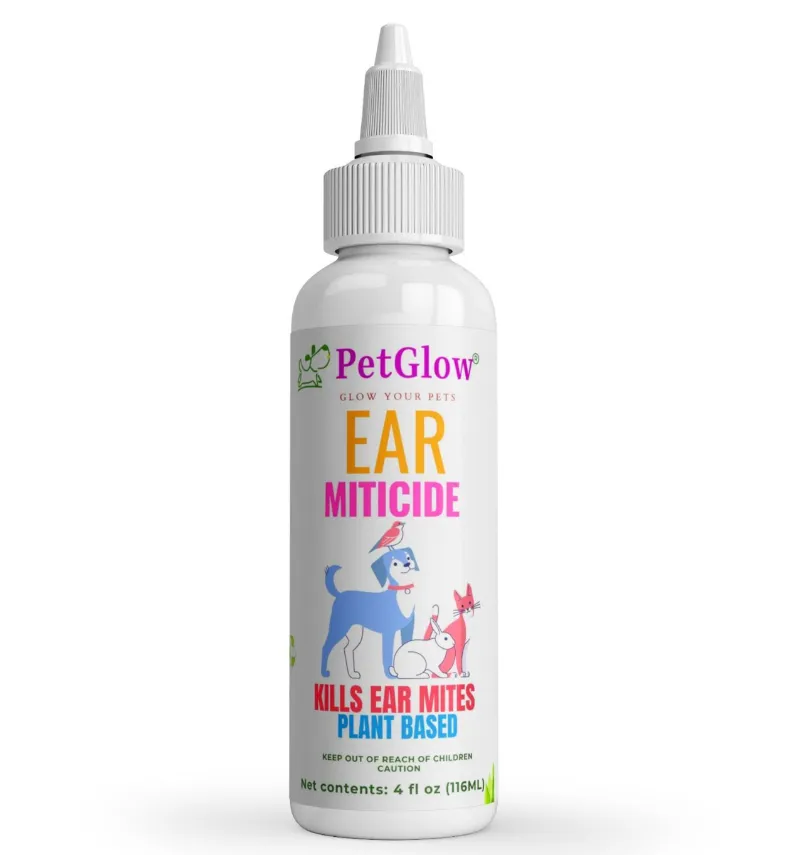
- Commercial mite drops: Products with natural ingredients like tea tree oil or aloe can soothe irritation but take longer to eliminate mites completely.
- Veterinary-grade cleaners: Medicated ear cleaners paired with prescription drops speed recovery by removing debris that shelters mites.
For current pricing on effective treatments, grab the code at Celsius Herbs, where we verified a 20% discount on all orders. The same principles apply to other parasitic issues—targeting flea eggs also requires sustained treatment to break the reproductive cycle.
Cat Ear Mites Treatment at Home vs Professional Care
You can manage mild mite cases at home if you catch them early, but infections almost always need a vet visit. Here is how to decide:
| Condition | Home Treatment | Vet Required? |
|---|---|---|
| Light mite infestation, no hematoma | Ear flush + OTC drops daily for 3 weeks | Optional; vet confirms diagnosis |
| Heavy mite buildup or persistent scratching | Initial vet visit for prescription drops | Yes; rule out secondary infection |
| Foul-smelling discharge or swelling | None; needs lab culture | Yes; antibiotics or antifungal meds required |
When treating at home, clean the outer ear gently with a cotton ball soaked in warm water or saline—never insert cotton swabs into the ear canal. Apply drops as directed, and monitor for improvement within five to seven days. If your cat still shakes their head or the discharge worsens, a secondary bacterial infection may have developed on top of the mites, and you will need antibiotics.
Veterinary Partner emphasizes treating all pets in the household simultaneously, even if only one shows symptoms, because mites spread before signs appear. This is similar to how lice shampoo protocols recommend treating all family members to prevent reinfection.
How Do Cats Get Ear Mites and Can You Prevent Them?
Cats pick up mites through direct contact with infected animals—typically other cats, but also dogs, rabbits, and ferrets. Kittens often contract mites from their mother during nursing. Outdoor cats face higher exposure because mites can survive on bedding, grooming tools, or in grassy areas where infected animals have been.
Prevention strategies:
- Keep your cat indoors or limit contact with strays and unknown animals.
- Quarantine new pets for two weeks and check their ears before introducing them to resident cats.
- Wash bedding, carriers, and grooming tools in hot water if you suspect exposure.
- Apply monthly preventive treatments that cover ear mites (many flea and tick products include mite protection).
Routine ear checks every two weeks let you spot trouble early. Healthy cat ears look pale pink inside with minimal wax. Any increase in debris, redness, or scratching warrants a closer look. For cats prone to skin issues—similar to how psoriasis scalp medicines address recurring flare-ups—consistent monitoring prevents small problems from escalating.
Ear Infections in Cats: When Mites Aren't the Problem
If you have ruled out mites but your cat still has ear trouble, an infection is the next suspect. Bacterial and yeast infections thrive when the ear environment becomes too warm, moist, or inflamed. Common triggers include:
- Allergies: Food sensitivities or environmental allergens cause inflammation that disrupts the ear's natural defenses.
- Ear anatomy: Cats with folded or hairy ears trap more moisture, creating a breeding ground for yeast.
- Compromised immunity: Cats with FIV, diabetes, or other systemic conditions get infections more easily.
Your vet will swab the ear and examine the discharge under a microscope to identify bacteria or yeast, then prescribe targeted antibiotics or antifungals. Oral medications pair with topical ear drops for stubborn cases. Just as antifungal creams for fungal acne target specific organisms on skin, ear infection treatments must match the pathogen to work.
Chronic infections may require long-term management, including allergy testing, diet changes, or regular ear cleaning with a vet-approved solution. Never use hydrogen peroxide or alcohol-based cleaners—they irritate inflamed tissue and worsen the problem.
Treating Both Conditions at Once
Occasionally, cats develop a bacterial infection on top of an ear mite infestation because the mites damage the ear canal lining, letting bacteria invade. In these cases, your vet will prescribe both an anti-parasitic and an antibiotic. Follow the full course of treatment even if symptoms improve early—stopping too soon allows mites to rebound or bacteria to develop resistance.
For the best results and verified savings, check the latest price on Celsius Herbs products that support ear health and parasite control. With the right diagnosis and consistent treatment, most cats recover fully within three to four weeks and return to their normal, itch-free lives.
Frequently asked questions
Can ear mites go away on their own without treatment?
No, ear mites will not resolve without intervention. The parasites reproduce continuously inside the ear canal, and untreated infestations worsen over time, often leading to secondary bacterial infections or permanent ear damage.
How long does it take for cat ear mites treatment to work?
Prescription spot-on treatments kill adult mites within 24 to 48 hours, but you must continue treatment for three weeks to eliminate eggs and larvae. Most cats show noticeable improvement in scratching and discharge within one week.
Can I use dog ear mite medicine on my cat?
Never use dog products on cats without veterinary approval. Many dog formulations contain permethrin, which is highly toxic to cats and can cause seizures or death. Always choose treatments labeled specifically for feline use.
Do indoor cats get ear mites?
Yes, indoor cats can contract ear mites if they come into contact with an infected animal during vet visits, boarding, or if you bring a new pet into the home. However, outdoor and shelter cats face significantly higher risk.
What does an ear infection smell like in cats compared to mites?
Bacterial infections produce a strong, putrid odor, while yeast infections smell sweet or musty, like fermented bread. Ear mites create dry, dark debris with little to no smell, which is a key distinguishing feature.
Should I clean my cat's ears before applying mite drops?
Yes, gently wipe away visible debris from the outer ear with a damp cotton ball before applying medication. This helps the drops penetrate deeper and work more effectively, but never insert anything into the ear canal itself.