
How to Tell If Lice Shampoo Is Working: Signs and Timeline

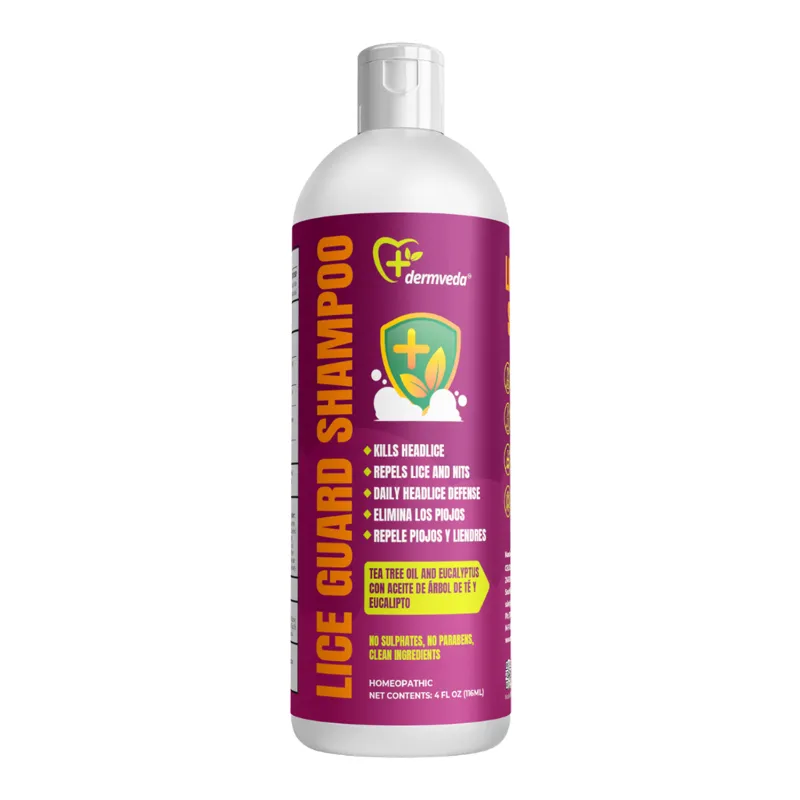
How to Tell if Lice Shampoo Is Working
A lice shampoo treatment is working when you see fewer live, moving lice within 24 hours and notice dead or sluggish bugs after combing. The most reliable signs include reduced itching over the first week, no new nits near the scalp, and a clear decline in live lice with each comb-through. We break down the timeline, the red flags, and exactly what to look for so you can confirm your lice shampoo is doing its job.
Lice infestations cause stress for families, and it's easy to second-guess whether the treatment you chose is effective. Many over-the-counter and prescription formulas promise results, but knowing what success looks like—and when—helps you stay the course or pivot if needed. Below we cover the immediate signs, the week-by-week progression, and the steps to take if progress stalls.
Immediate Signs Within the First 24 Hours
The first day after treatment reveals whether the active ingredient is killing lice on contact. Check for these early indicators:
- Dead or paralyzed lice that fall out during combing or lie motionless on the scalp
- Slower movement in any remaining bugs compared to before treatment
- Reduced scratching as the population drops and irritation begins to ease
- Fewer lice on the comb when you perform a thorough wet-comb session with conditioner
If you still see many fast-moving lice 24 hours later, the formula may not match the lice strain in your area. Resistance to permethrin and pyrethrin is common, so a second application or a switch to a different active ingredient may be necessary. Understanding Lice Shampoo: What Works, What Doesn't & Why OTC Fails explains why some treatments fail and what alternatives exist.
Week-by-Week Timeline for Lice Shampoo Results
Lice treatment unfolds over roughly two weeks because no shampoo kills 100 percent of nits in a single use. Here's what to expect:
| Day Range | What You Should See | Action Required |
|---|---|---|
| Days 1–3 | Majority of adult lice dead; itching starts to drop | Daily wet combing to remove stragglers |
| Days 4–7 | No new nits near the scalp; old nits remain farther out | Monitor for any newly hatched nymphs |
| Days 8–14 | Second treatment (if label directs); zero live lice by end of week two | Final comb-through to confirm clearance |
Most lice shampoo for adults and kids requires a second application on day seven or nine to catch any nymphs that hatched from nits the first treatment missed. If you skip this step, the infestation can rebound. Mark your calendar and grab the code to save 20 percent on your follow-up supply.
Key Indicators Your Treatment Is Effective
Beyond the calendar, watch for these concrete signs that the infestation is ending:
- Nit location shifts outward: Fresh nits appear within a quarter inch of the scalp. If all visible nits sit half an inch or farther from the root, they're older and the lice population is no longer reproducing.
- Itching declines steadily: Allergic reactions to lice saliva take a few days to settle, but you should notice less scratching by day three or four.
- Comb yield drops: Each daily session should produce fewer lice and nits. If numbers stay flat or rise, resistance or reinfestation is likely.
- No live lice by day 10: After the second treatment, a thorough check should turn up zero moving bugs.
If you're using a best lice shampoo with dimethicone or other non-pesticide suffocants, the timeline may differ slightly. These formulas physically coat lice rather than poison them, so you may see slower initial knockdown but less resistance risk.
When Lice Shampoo Isn't Working: Red Flags
Sometimes a product simply won't clear an infestation. Recognize these warning signs early:
- Live lice remain abundant 48 hours post-treatment: A few survivors are normal; dozens are not.
- New nits appear close to the scalp after day five: This means adults are still laying eggs.
- Itching worsens or stays severe beyond one week: Ongoing irritation suggests ongoing bites.
- Reinfestation from household contacts: If someone else in the home wasn't treated simultaneously, lice can shuttle back and forth.
Resistance to pyrethroid-based formulas is widespread, so switching to a prescription option or a suffocant-based shampoo may be necessary. Lindane Shampoo (Lice): Uses & Side Effects covers one older prescription choice, though safer alternatives like spinosad or benzyl alcohol are typically preferred today.
Combing, Cleaning, and Supporting Your Treatment
Lice shampoo works best when paired with diligent combing and household hygiene:
- Wet-comb daily with a metal nit comb and white conditioner so you can see every bug and nit you remove.
- Wash bedding and hats in hot water (at least 130°F) the day of each treatment.
- Vacuum upholstery and car seats to remove any stray lice or nits.
- Avoid head-to-head contact for two weeks to prevent spreading or reintroduction.
You don't need to bag toys for weeks or fumigate your home. Lice survive less than two days off the human scalp, so focus your energy on thorough combing and confirming every household member is clear. If you're juggling multiple treatments—perhaps a dog skin infection for a pet or psoriasis scalp medicines for another family member—keep supplies and timelines organized to avoid cross-contamination or missed doses.
Choosing the Right Lice Shampoo for Your Situation
Not every formula suits every family. Here's how to match product to need:
- Lice shampoo for kids: Look for gentler active ingredients like permethrin (if not resistant in your area) or dimethicone-based suffocants. Always follow age restrictions on the label.
- Lice shampoo for adults: You have access to stronger prescription options if OTC fails, including spinosad suspensions or malathion.
- Lice shampoo and conditioner combos: Some treatments include conditioner to ease combing, but separate wet-combing with plain conditioner is often more effective for nit removal.
- Homemade lice shampoo: Olive oil, mayonnaise, or essential oil mixes lack robust evidence and won't match the kill rate of proven actives. Save time and frustration by starting with a tested product.
Before you buy, check the latest price and read recent lice shampoo reviews to confirm the formula you're considering still performs well in your region. Resistance patterns shift, so what worked five years ago may no longer be first-line.
Final Check: Confirming You're Lice-Free
After two full weeks and two treatments, perform a final inspection under bright light. Section the hair and comb every quadrant. If you find zero live lice and all nits are more than half an inch from the scalp, you're clear. Schedule a follow-up check one week later to be certain.
If you're still finding live bugs or fresh nits, contact your healthcare provider. Persistent infestations sometimes require prescription medication or professional removal services. Don't feel discouraged—resistance is a biology problem, not a hygiene failure. With the right product and consistent combing, nearly every infestation can be cleared within two to three weeks.
For ongoing scalp care after treatment, consider pairing your routine with a scalp psoriasis shampoo if you also deal with flaking or inflammation, since lice treatments can temporarily dry the scalp. Keep comb-through sessions calm and methodical, and celebrate each day that shows fewer bugs. You're making measurable progress, and the timeline is on your side.
Frequently asked questions
How long does it take for lice shampoo to kill all lice?
Most lice shampoos kill the majority of adult lice within 24 hours, but nits (eggs) often survive the first treatment. A second application seven to nine days later catches newly hatched nymphs, and full clearance typically takes two weeks with proper combing.
Can lice become resistant to over-the-counter shampoos?
Yes, lice in many regions have developed resistance to permethrin and pyrethrin, the active ingredients in most OTC formulas. If you see live lice 48 hours after treatment, consider switching to a prescription option or a suffocant-based product.
Should I still see itching after using lice shampoo?
Mild itching can persist for a few days because your scalp is reacting to lice saliva from bites that occurred before treatment. If itching stays intense or worsens after one week, live lice may remain and you should inspect again.
Do I need to retreat even if I don't see any lice after the first shampoo?
Yes. Nits can survive the first treatment and hatch days later. Most labels direct a second application on day seven or nine to kill those newly hatched nymphs before they mature and lay more eggs.
What's the difference between dead nits and live nits after treatment?
Dead or empty nits often appear white or translucent and sit farther from the scalp as hair grows. Live nits are tan or brown, firmly glued close to the root, and will pop when crushed between fingernails. After successful treatment, all nits near the scalp should be absent or empty.
Can I use regular shampoo between lice treatments?
Yes, you can use regular shampoo between treatments, but avoid conditioning products immediately before applying lice shampoo because they can coat the hair and reduce penetration. Save conditioner for wet-combing sessions to help the nit comb glide.