
Slicker Brush vs Deshedding Brush: Which Bailey Brush Does Your Cat Need?

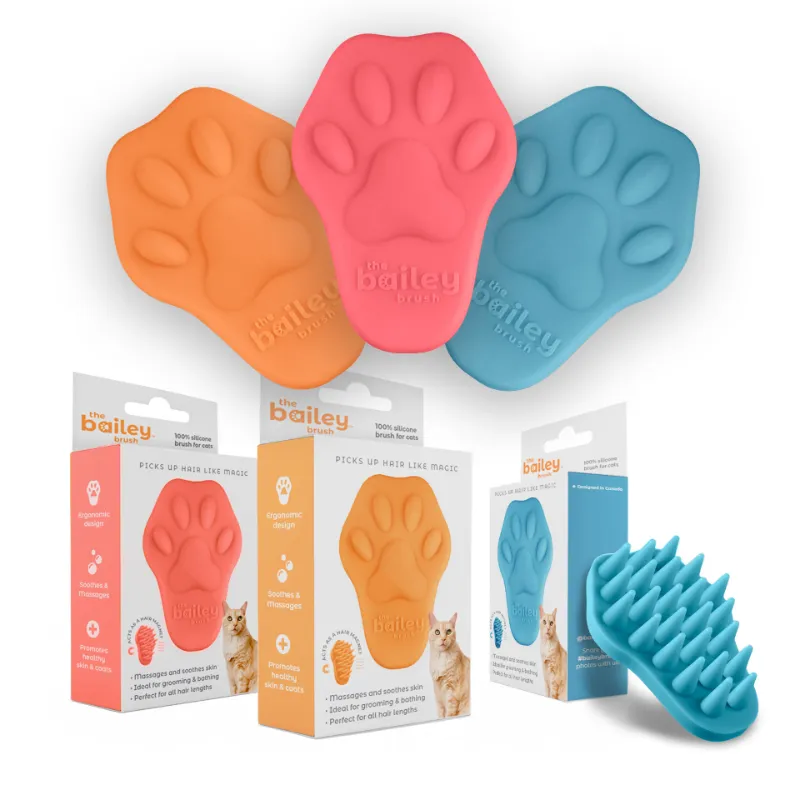
A cat slicker brush removes surface tangles and smooths the topcoat with fine, bent wire pins, while a deshedding brush reaches deeper to pull out loose undercoat fur before it sheds around your home. Both serve distinct grooming needs, and Bailey Brush offers specialized versions of each to match your cat's coat type and shedding habits.
Choosing the wrong tool means you'll miss loose fur, tug at your cat's skin, or spend twice as long grooming. We tested Bailey's lineup to show you exactly which brush handles mats, which one cuts shedding by half, and how to pick the right match for short or long coats.
How a Cat Slicker Brush Works
Slicker brushes feature dozens of thin, angled wire pins set close together on a flat or slightly curved paddle. These pins glide through the topcoat to catch loose hair, untangle minor knots, and distribute natural oils that keep fur shiny. The bent tips prevent scratching your cat's skin when you brush at the correct angle.
Bailey's cat slicker brush uses stainless steel pins with rounded ends, making it safe for daily use on medium to long coats. The self-cleaning button retracts the pins so you can wipe away collected fur in one motion, which matters when you're grooming a heavy shedder every other day.
Slicker brushes excel at:
- Detangling surface mats in long-haired breeds like Persians and Maine Coons
- Smoothing flyaways and static after a bath
- Prepping the coat before a deshedding session
- Fluffing fur around the chest, tail, and britches
They do not pull out the dense undercoat that causes seasonal shedding. For that, you need a deshedding tool with deeper, wider-spaced teeth.
What a Deshedding Brush Does Differently
Deshedding brushes use a row of short, closely spaced metal teeth with a fine edge to rake through the topcoat and grab loose undercoat fur. The teeth sit deeper than slicker pins, reaching the soft, fluffy layer that sheds heavily in spring and fall. One five-minute session can remove as much fur as a week of regular brushing.
Bailey's cat brush deshedding features a stainless steel comb edge with teeth sized for cat coats. The ergonomic handle gives you leverage to work through thick fur without straining your wrist, and the rounded teeth guard against skin irritation even when you press firmly.
Deshedding tools work best for:
- Double-coated breeds like British Shorthairs, Ragdolls, and domestic medium-hairs
- Reducing airborne fur and hairballs during shedding season
- Cats who leave fur tumbleweeds on furniture and clothing
- Prepping show cats to achieve a sleek, tight topcoat
You should not use a deshedding brush on cats with single-layer coats (Siamese, Burmese, Devon Rex) or on matted fur, since the teeth can pull painfully. Always slicker-brush mats first, then follow with the deshedder.
Slicker vs Deshedding: Side-by-Side Comparison
| Feature | Cat Slicker Brush | Deshedding Brush |
|---|---|---|
| Pin/Tooth Type | Fine, bent wire pins | Short metal teeth with edge |
| Depth | Surface and topcoat | Undercoat layer |
| Best For | Mats, tangles, fluffing | Heavy shedding, undercoat removal |
| Coat Type | Medium to long, all textures | Double-coated, thick fur |
| Frequency | Daily to every other day | Once or twice per week |
For most cat owners, the answer is both. Start with the slicker to clear tangles and smooth the topcoat, then switch to the deshedder to pull out loose undercoat. This two-step routine cuts grooming time in half and keeps shedding under control year-round. Grab the code to save 10% when you bundle both tools.
Which Bailey Brush Fits Your Cat's Coat
Short-haired cats with minimal undercoat (think sleek tabbies and American Shorthairs) rarely need a dedicated deshedding tool. A short hair cat brush with soft bristles or a gentle slicker removes loose fur and stimulates skin circulation without over-grooming. Brush once or twice a week to maintain shine and reduce hairballs.
Medium to long-haired cats benefit from both tools. Use the cat slicker brush two to three times per week to prevent mats behind the ears, under the legs, and around the tail. During spring and fall shedding peaks, add a weekly session with the cat brush for shedding to clear out undercoat before it lands on your sofa.
Heavy shedders with thick double coats need the deshedding brush as the primary tool. Plan on a five-minute session every three to four days during shedding season, and keep the slicker on hand for touch-ups around the face and paws where the deshedder is too aggressive. Expert groomers at The Spruce Pets recommend this layered approach for breeds prone to matting and fur buildup.
Sensitive or older cats may prefer a softer cat brush with flexible silicone tips or natural bristles. If your cat flinches or walks away during grooming, the pins or teeth may be too firm for their skin. Bailey's basic brush offers a gentler alternative that still captures loose hair without discomfort.
How to Use Each Brush Without Hurting Your Cat
Slicker brush technique: Hold the brush at a 45-degree angle to your cat's body so the bent pins glide along the fur direction. Use short, light strokes and let the pins do the work. Never press hard or scrub back and forth, which can cause brush burn on sensitive skin. Work in sections, starting at the head and moving toward the tail.
Deshedding brush technique: Brush in the direction of hair growth with firm, steady strokes. The teeth should reach the undercoat without scraping skin. If you see red marks or your cat pulls away, ease up on pressure. Focus on the back, sides, and hindquarters where undercoat is thickest, and avoid bony areas like the spine and hips.
For both tools, watch your cat's body language. Flattened ears, a twitching tail, or repeated head turns mean it's time for a break. Keep sessions short (five to ten minutes) and reward your cat with a treat afterward to build positive associations.
Where to Buy and How to Save
Bailey Brush ships both slicker and deshedding tools with a satisfaction guarantee, so you can test each brush and return it if your cat objects. Check the latest price and apply our exclusive 10% discount code at checkout to save on single brushes or multi-tool bundles.
If you're comparing options, Cats.com's buyer guide and Chewy's slicker brush selection offer broader looks at the market. Bailey's tools rank high for durability and ergonomic design, especially if you're grooming multiple cats or managing year-round shedding.
Stock both a slicker and a deshedding brush in your grooming kit, and rotate them based on season and coat condition. You'll spend less time vacuuming, your cat will feel more comfortable, and you'll catch mats before they turn into painful knots that require a vet visit to shave out.
Frequently asked questions
Can I use a slicker brush and deshedding brush on the same cat?
Yes, most medium and long-haired cats benefit from both. Use the slicker brush to remove tangles and smooth the topcoat, then follow with the deshedding tool to pull out loose undercoat. This two-step routine works best during heavy shedding seasons.
How often should I use a deshedding brush on my cat?
Once or twice per week is enough for most double-coated cats. During spring and fall shedding peaks, you can increase to every three or four days. Over-brushing with a deshedding tool can irritate skin, so watch for redness or sensitivity.
Which Bailey brush works best for short-haired cats?
Short-haired cats with minimal undercoat do well with a gentle slicker brush or a soft bristle brush. A dedicated deshedding tool is usually unnecessary unless your cat has a thick double coat that sheds heavily.
Do slicker brushes hurt cats if used incorrectly?
Yes, pressing too hard or brushing against the fur direction can cause brush burn or scratch sensitive skin. Hold the slicker at a 45-degree angle, use light pressure, and let the bent pins glide through the coat naturally.
What's the difference between Bailey's slicker brush and other brands?
Bailey's slicker brush features rounded stainless steel pins and a self-cleaning button that retracts the pins for easy fur removal. The ergonomic handle reduces wrist strain during longer grooming sessions, which matters if you have multiple cats or thick-coated breeds.