
Cedar vs Acrylic Cold Plunge Tubs: Which Material Lasts Longer?

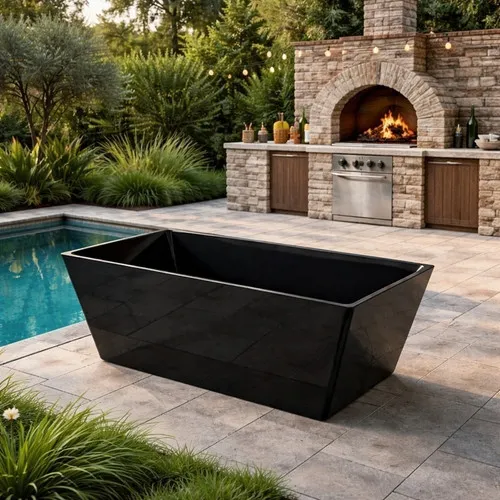
A cedar cold plunge delivers natural insulation and timeless aesthetics, but an acrylic cold plunge tub promises decades of low-maintenance use. Both materials have earned loyal followings in the cold therapy world, yet their lifespans and care requirements differ significantly. We tested both to help you choose the material that fits your climate, maintenance tolerance, and budget.
Why Material Choice Matters for Longevity
Cold plunge tubs endure constant moisture, temperature swings, and chemical exposure. The material you choose determines how often you'll reseal, refinish, or replace your tub. Cedar and acrylic each handle these stresses differently, impacting both upfront cost and long-term value.
Cedar offers natural antimicrobial properties and superior insulation, keeping water colder without a chiller in moderate climates. Acrylic resists UV damage, never requires sealing, and holds up in harsh sun or freezing winters. Your local weather and willingness to maintain the tub will shape which material lasts longer in your hands.
Cedar Cold Plunge Tubs: Lifespan and Maintenance
A well-maintained wooden cold plunge can last 10 to 15 years, though neglect accelerates rot and warping. Cedar's natural oils resist decay better than pine or redwood, but even premium wood demands regular care.
Maintenance requirements:
- Annual sealing: Apply marine-grade sealant every 12 months to prevent water infiltration and UV damage.
- Monthly cleaning: Scrub with a soft brush and mild soap; avoid bleach, which strips protective oils.
- Seasonal inspection: Check for cracks, loose staves, or swelling before winter and after spring thaw.
- Water chemistry: Keep pH between 7.2 and 7.6 to minimize wood degradation.
Cedar's insulating properties reduce energy costs when paired with an outdoor cold plunge with chiller, since the wood naturally holds temperature. However, outdoor installations in full sun or desert climates dry out faster, requiring more frequent sealing. Indoor or shaded setups extend lifespan by years.
Acrylic Cold Plunge Tubs: Durability and Care
Acrylic tubs typically last 20 to 30 years with minimal upkeep, making them the low-maintenance choice for busy users. The non-porous surface resists algae, mold, and staining, while UV-stabilized acrylic won't yellow or crack under direct sunlight.
Care is straightforward:
- Weekly wipe-down: Use a microfiber cloth and non-abrasive cleaner to remove oils and residue.
- Filter changes: Replace cartridge filters every 3 to 6 months if you run a 1hp water chiller.
- No sealing or refinishing: The factory gel coat is permanent; scratches can be buffed out with acrylic polish.
Acrylic resists freeze-thaw cycles better than wood, so it's the safer pick for unheated sheds or exposed patios in cold climates. Pair it with a water chiller canada option for year-round performance without worrying about wood expansion or contraction.
Head-to-Head: Cedar vs Acrylic Performance
| Feature | Cedar Cold Plunge | Acrylic Cold Plunge Tub |
|---|---|---|
| Expected lifespan | 10–15 years | 20–30 years |
| Annual maintenance | Sealing, inspection, staining | Minimal cleaning |
| Insulation | Excellent (R-value ~1.4 per inch) | Moderate (requires thicker walls) |
| UV resistance | Low (fades, cracks without sealant) | High (UV-stabilized gel coat) |
| Repair complexity | Moderate (wood filler, sanding) | Low (acrylic polish for scratches) |
Cedar wins on natural insulation and aesthetic warmth, making it ideal for users who enjoy hands-on care and want a lower chiller workload. Acrylic dominates in longevity and ease, especially for extreme climates or users who prefer set-and-forget operation. Check the latest pricing and our exclusive code to compare upfront costs.
Which Material Suits Your Setup?
Choose a cedar cold plunge if you:
- Live in a moderate climate with shade or indoor placement
- Enjoy seasonal maintenance rituals and natural materials
- Want superior insulation to reduce chiller runtime
- Prefer the traditional look of a Barrel Cold Plunge (Stainless Steel) or rustic aesthetic
A 1.0hp diy cold plunge bundle pairs well with cedar if you're comfortable assembling and maintaining both the tub and chiller system.
Choose an acrylic cold plunge tub if you:
- Face harsh sun, freezing winters, or high humidity
- Want the longest lifespan with the least effort
- Plan to install outdoors year-round without seasonal storage
- Prefer modern, sleek design over natural wood grain
Acrylic is the clear winner for extreme environments and users who want plug-and-play reliability. Pair it with a cold plunge ice barrel 1hp chiller for consistent performance without worrying about wood swelling or cracking.
Maximizing Lifespan for Both Materials
Regardless of material, a quality chiller extends tub life by maintaining stable water temperature and reducing freeze-thaw stress. Both cedar and acrylic benefit from:
- Proper drainage: Ensure the base drains fully to prevent standing water and wood rot or acrylic stress cracks.
- Cover use: A fitted insulated cover cuts evaporation, keeps debris out, and reduces UV exposure for both materials.
- Water treatment: Balanced pH and regular filtration prevent scale buildup on acrylic and wood degradation in cedar.
Grab our discount code to save on chillers, tubs, and bundles that include everything you need for long-term cold therapy success.
Our Verdict: Which Material Lasts Longer?
Acrylic cold plunge tubs outlast cedar by 10 to 15 years on average, thanks to their non-porous construction and resistance to UV, moisture, and temperature extremes. Cedar offers superior insulation and natural beauty but demands consistent sealing and inspection to reach even half of acrylic's lifespan.
For hands-off durability in any climate, acrylic is the smarter long-term investment. For those who value aesthetics, enjoy maintenance, and have a sheltered installation site, cedar delivers a rewarding, efficient cold plunge experience. Both materials perform well when paired with the right chiller and care routine, so your choice ultimately hinges on how much time you want to spend preserving your tub versus using it.
Frequently asked questions
How often do you need to seal a cedar cold plunge?
You should seal a cedar cold plunge once a year with marine-grade sealant to prevent water infiltration and UV damage. Outdoor tubs in full sun may need resealing every 8 to 10 months, while indoor or shaded installations can stretch to 12 to 15 months between coats.
Do acrylic cold plunge tubs crack in freezing weather?
UV-stabilized acrylic resists freeze-thaw cycles better than wood and rarely cracks if the water is drained or kept circulating with a chiller. Avoid leaving stagnant water to freeze solid, which can stress any tub material.
Which material is easier to repair if damaged?
Minor scratches in acrylic can be buffed out with acrylic polish in minutes, while cedar requires sanding, wood filler, and resealing for cracks or gouges. Acrylic repairs are faster and need no special skills.
Can I use the same chiller for cedar and acrylic tubs?
Yes, a 1hp water chiller works with both materials. Cedar's natural insulation may let you run the chiller less frequently, but both tub types benefit from consistent temperature control and filtration to extend lifespan.
Does cedar or acrylic hold temperature better?
Cedar offers better natural insulation per inch of thickness, keeping water colder longer without a chiller. Acrylic requires thicker walls or an insulated cover to match cedar's thermal performance, but both materials benefit from pairing with a quality chiller.
Is a wooden cold plunge worth the extra maintenance?
If you enjoy seasonal care rituals, value natural aesthetics, and have a sheltered install site, a wooden cold plunge delivers excellent insulation and a traditional look. For set-and-forget durability, acrylic is the better long-term choice.