

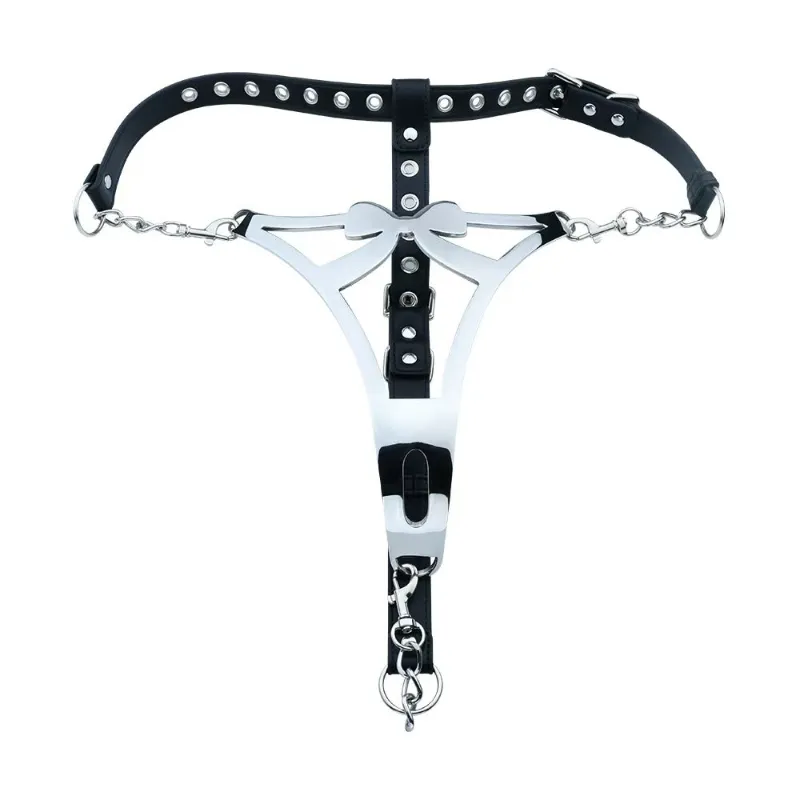
A chastity belt covers the entire pelvic area with a waist-anchored frame, while a chastity cage encloses only the genitals with a ring-and-tube design. Knowing which style fits your anatomy, lifestyle, and goals makes the difference between a comfortable long-term experience and one you abandon after a few hours. This guide breaks down both device types, compares the top options at Cagink, and helps you pick with confidence.
What Is a Chastity Belt and How Does It Differ from a Cage?
A chastity belt uses a rigid or semi-rigid shield that sits flat against the body, held in place by a waistband and, in most designs, a rear strap. It provides broad coverage and is the traditional form of the device, historically associated with full-body restraint.
A chastity cage, by contrast, uses a base ring that sits behind the genitals and a tube or cage body that encloses them. It is lighter, more discreet under clothing, and easier to fit for most beginners.
Key structural differences at a glance:
- Chastity belt: Waistband + shield + rear cable or strap; full pelvic coverage
- Chastity cage: Base ring + cage body + lock; genital-only coverage
- Who fits a belt better: People with anatomy that makes ring-only devices slide or shift
- Who fits a cage better: Those prioritising discretion and ease of daily wear
Chastity Belt Options: Female and Unisex Designs
The female chastity belt at Cagink is designed around a narrower waist-to-hip ratio, with a shaped front shield and an adjustable rear strap sized for female anatomy. It is a strong choice for anyone who finds cage-style devices poorly suited to their body.
For shoppers researching Cagink female chastity belt quality, the construction uses body-safe materials with smooth finished edges at contact points, which matters enormously for extended wear. If you are sizing up a belt for the first time, focus on waist circumference and hip width before anything else; the shield size follows from those two measurements.
The standard chastity belt in the range suits a wider range of body types and is a good starting point for beginners who want broad coverage without committing to a fully custom piece.
Chastity Cage Options: From Beginner to Premium
Cagink stocks several cage styles that suit different experience levels and goals.
| Product | Best For | Key Feature |
|---|---|---|
| confined cage | Daily wear beginners | Lightweight, minimal profile |
| holy trainer | Longer-term wear | Body-contoured, smooth interior |
| vibrating chastity cage | Sensation play | Built-in vibration function |
| mature metal | Premium / custom fit | Stainless steel, fully adjustable |
Shoppers comparing Cagink holy trainer alternatives often land on the confined cage when they want a similar curved profile at a lower price point. Those prioritising long-term comfort and hygiene frequently step up to mature metal, whose stainless steel construction is non-porous, easy to sterilise, and built to last years rather than months. If you are curious about Cagink vibrating chastity cage features, the vibration is remote-compatible and adds a layer of sensation play that static cages simply cannot replicate.
For a specialised fit, the chastity femboy device is shaped for a slimmer, flatter profile that works well for those with a smaller frame, and the chastity femboy variant in the range offers slightly different sizing and styling options worth comparing side by side.
Accessories That Work With Both Device Types
Accessories extend the functionality of both belts and cages significantly.
- fufu clip: Tucks and flattens without requiring a full cage or belt; a low-commitment starting point. Cagink fufu clip sizing guide notes are available on the product page, and sizing correctly here is critical for comfort.
- leg spreader bar: Often paired with chastity play for positional restraint; Cagink leg spreader bar uses range from light bondage sessions to extended restraint scenes.
- big butt plug: A popular add-on for combined chastity and anal play; material safety is the first thing to verify, and Cagink big butt plug materials are listed on the product page.
- tail but plug: Similar application with a decorative tail element for pet-play or aesthetic scenes.
You can grab the code at our Cagink discount page to apply 5% off sitewide when adding accessories alongside your main device.
Materials and Hygiene: What to Look For
Material choice affects safety, comfort, and how long a device lasts.
- Stainless steel (mature metal, some belt frames): Non-porous, autoclavable, heaviest option
- Polycarbonate / resin (holy trainer, confined cage): Lightweight, body-safe, cannot be sterilised with heat but cleans well with mild soap
- Silicone elements (some straps and plugs): Flexible, non-porous, easy to sanitise
- Avoid: Jelly rubber, latex blends, or any material listed as "TPR novelty grade" for extended contact wear
For anything worn more than a few hours, non-porous materials are non-negotiable. Metal and medical-grade polycarbonate are the two categories that consistently pass that bar.
Sizing and Fit: Getting It Right the First Time
Poor sizing is the single most common reason people stop wearing a device. For cages, you need the internal length (measured when flaccid and relaxed), the base ring diameter, and cage diameter. For belts, you need waist circumference, hip circumference, and body-to-crotch depth.
Quick sizing checklist:
- Measure at the same time of day, in a relaxed state
- Use a soft fabric tape measure, not a rigid ruler
- Cross-reference your measurements against the size chart on the specific product page
- When between sizes, size up for belts and down for cages (a slightly snug cage base ring is safer than one that slips)
- Check the Cagink return and refund policy before ordering if you are genuinely unsure between two sizes
Check the latest prices and size availability before you finalise your order, as stock on specific sizes can move quickly.
Who Each Device Type Actually Suits
Choosing between a chastity belt and a cage is less about preference and more about anatomy, lifestyle, and intended wear duration.
- Choose a belt if: You have anatomy that makes ring-only devices shift; you want maximum security; you are exploring female chastity; or you are pairing with a rear strap or plug for combined play
- Choose a cage if: Discretion under everyday clothing is a priority; you are new to chastity devices and want to start with something lighter; or you want to experiment with vibration (the vibrating chastity cage) or premium customisation (mature metal)
- Choose a fufu clip if: You want to explore the concept with minimal commitment before investing in a full device
Both device categories are well-represented at Cagink, and using our Cagink discount code is the most straightforward way to save on whichever direction you go.
 Shopping at Cagink? See today's verified Cagink discount code
Frequently asked questions
What is the main difference between a chastity belt and a chastity cage?
A chastity belt uses a waistband and full pelvic shield to restrict access across the entire area, while a chastity cage uses a base ring and tube to enclose the genitals only. Belts offer more coverage and security; cages are lighter and easier to wear discreetly day-to-day.
Is the female chastity belt from Cagink suitable for beginners?
Yes, provided you size it carefully using waist and hip measurements before ordering. The female chastity belt is shaped specifically for female anatomy, so it fits more naturally than unisex cage designs for many wearers, which can actually make it easier to start with.
How do I choose the right base ring size for a chastity cage like the holy trainer or confined cage?
Measure the circumference around the base of the genitals when fully relaxed, then convert that to a diameter. When between sizes, most experienced wearers recommend going slightly smaller rather than larger, since a loose ring shifts and can cause skin irritation over time.
Can I use a fufu clip instead of a full chastity device?
A fufu clip is a standalone option for tucking and flattening without the structure of a cage or belt. It works well as a low-commitment introduction to chastity accessories, though it offers less restriction than a full device.
What materials are safest for long-term chastity wear?
Stainless steel and medical-grade polycarbonate are the two safest choices for extended wear because both are non-porous and easy to clean thoroughly. Avoid jelly rubber or unspecified TPR blends for anything worn more than briefly.
Does Cagink offer discreet shipping and packaging?
Cagink discreet shipping and packaging details are listed on their site, and the store is known in the community for plain, unmarked parcel presentation. Check the product or FAQ page at checkout to confirm current packaging practices before ordering.