

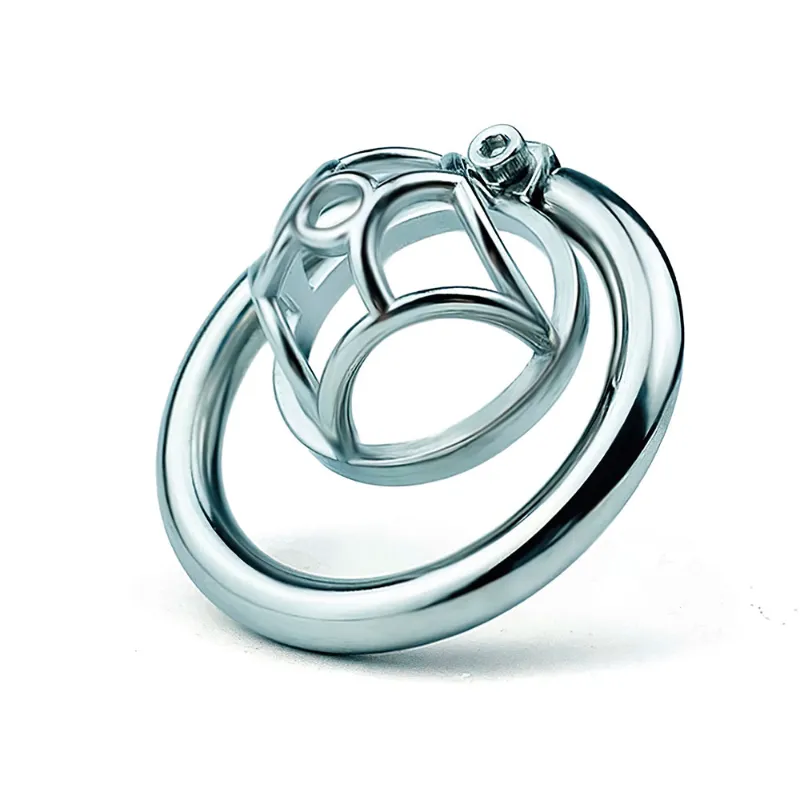
Measuring for a vibrating chastity cage comes down to two numbers: base ring circumference and cage length, both taken while you are warm, relaxed, and standing. Get those right and the gap, diameter, and strap position all follow. Get them wrong and no amount of lube or adjustment will make the device comfortable past the first hour.
We test this gear the same way we test anything else on the site, over multiple wear sessions and with a tape measure in hand. Before you order, grab the code so you are not paying full price for a size you may need to exchange.
Measure Base Ring Circumference First
The ring carries the weight, so it decides whether the device stays put or slides. Do this before anything else.
- Use a soft tailor's tape or a strip of paper you can mark and flatten against a ruler.
- Wrap it around the root, behind the scrotum, where the ring will actually sit. Snug against skin, never compressing.
- Measure three times: once relaxed, once after ten minutes of walking, once after a warm shower. Use the largest number, not the average.
- You should be able to slide one fingertip under the tape. If you cannot, size up.
Convert that circumference to a diameter by dividing by 3.14, then compare it to the ring sizes listed on the product page. Sizing down for a tighter hold is the single most common mistake, and it is the reason people give up on a chastity belt in the first week.
Sizing Cage Length for a Vibrating Chastity Cage
Length is where most buyers guess, and where most returns come from. A vibrating chastity cage adds a motor and often a slightly thicker wall, so internal clearance matters more than it does on a plain tube.
- Measure flaccid length from the base of the shaft to the tip, along the top, not pressed into the body.
- Subtract roughly 10 to 15 percent. The cage should be shorter than you are, so you fill it without pressing against the tip.
- Check the internal width against your flaccid girth. Too narrow pinches; too wide lets you shift and chafe at the base.
- Confirm the motor housing does not sit where your tip rests, or you will feel every pulse as a poke rather than a buzz.
The vibrating chastity cage page lists internal dimensions for each size, so measure first and read second. If you are between two sizes, take the longer one and use a spacer or a snugger ring to close the gap.
Check Gap, Diameter, and Clearance
Gap is the distance between the ring and the cage opening. It is not usually listed as a size, but it is the difference between comfortable and unbearable.
| Fit issue | What it feels like | What to change |
|---|---|---|
| Gap too small | Pinching, restricted circulation, soreness within an hour | Larger ring or a spacer |
| Gap too large | Testicle slip, cage hangs low, rattles when walking | Smaller ring or shorter cage |
| Cage too long | Tip pulls back, urine spray, friction at the opening | Shorter cage length |
| Cage too narrow | Burning at the shaft, redness after removal | Wider internal diameter |
A confined cage style with a full enclosure hides the gap, so measure the ring carefully before you commit. A holy trainer uses a different ring geometry again, with a more anatomical curve, which suits some bodies better and pinches others.
Fitting a Full Belt or a Female Chastity Belt
Belts skip the ring measurement and replace it with three: waist, hip, and crotch depth. Use a soft tape around the natural waistline, then around the widest part of the hips, then from front waistband through the legs to the back waistband.
- Waist and hip should be taken over light clothing, not bare skin, if the belt will be worn over anything.
- Crotch depth determines where the front shield sits. Too short and it rides up; too long and it swings.
- A female chastity belt usually has an adjustable waist but a fixed crotch strap, so that is the number to get right.
Small accessories matter here too. A fufu clip holds a tucked position, and it only works if the belt or cage underneath is already sitting at the correct height. Get the base fit right and the clip becomes a five second addition.
Materials and Long-Term Wear
Fit and material fail together. A perfectly sized device in the wrong steel still irritates after day three.
- Stainless steel, as used on mature metal style devices, is heavy, non-porous, and takes a polish. It needs a ring that fits exactly, because weight amplifies movement.
- Resin and plastic are lighter and warmer to the touch, which makes them the better first purchase while you are still learning your size.
- Silicone and soft composites suit short sessions and travel, not multi-day wear.
Whatever you choose, wash and dry the device daily, check the skin under the ring at the same time, and stop at the first sign of persistent numbness rather than pushing through.
Accessories, Plug Fit, and Discreet Delivery
Anal accessories follow the same rule as cages: measure, do not guess. A big butt plug needs a base wider than the widest point of the insertable section, and a tail but plug needs the tail anchored so it does not lever against the base when you move. A leg spreader bar is a positioning tool, adjustable at the ankles, and it should never be set wider than your hips can hold without strain.
For anyone building a full look, the chastity femboy range pairs a cage with soft lingerie friendly shapes, and sizing runs the same way: ring first, length second.
Shipping is plain and unbranded, check the latest price and confirm the current offer before ordering, and read the return policy before you open the packaging. Most sizing mistakes are fixable with an exchange if the item is unused, which is another reason to test fit with clean hands and a short session first.
Test the Fit Before You Commit to a Day
Wear the device for twenty minutes, then an hour, then overnight, and note where you feel pressure rather than contact. Pressure means a size problem. Contact means you need lube or a trim.
- Do a squat, a walk up stairs, and a sit down. Any sharp pull at the base is a ring issue.
- Check for red marks under the ring after removal. Faint lines are fine, deep grooves are not.
- Only size down once you have worn the current size comfortably for a full day.
Start with the 5% off sitewide offer rather than buying two sizes at once, measure honestly, and let the fit decide the rest.
 Shopping at Cagink? See today's verified Cagink discount code
Frequently asked questions
How do I measure for a vibrating chastity cage without getting the ring wrong?
Wrap a soft tape around the root behind the scrotum, snug but not tight, and take the largest of three readings. You should still be able to slide one fingertip under the tape. Convert that circumference to diameter and match it to the listed ring size.
Should the cage be shorter than my flaccid length?
Yes. Measure flaccid length along the top and subtract roughly 10 to 15 percent, so you fill the cage without pressing against the tip. A cage that is too long causes pulling, spray, and friction at the opening.
What is the difference between a confined cage and a holy trainer?
Both are cage styles, but they use different ring geometry. The confined cage fully encloses the gap, while the holy trainer has a more anatomical curved ring. Which suits you depends on your measurements and where you feel pressure.
How is a female chastity belt sized differently from a cage?
Belts use waist, hip, and crotch depth instead of a ring. The waist is usually adjustable, so the crotch depth is the measurement that decides whether the front shield sits correctly.
Can I return a device if the size is wrong?
Most stores accept exchanges on unused items, so check the current return and refund policy before opening the packaging. Test the fit with clean hands and a short session first, since that keeps your options open.
Does a vibrating chastity cage need a different size than a plain one?
It can. The motor housing often adds wall thickness, so check the internal width and make sure the housing does not sit exactly where your tip rests. Sizing up in diameter is sometimes the better call.