
ChicChoi Loose Leaf Notebook vs Ring Binder: Which System Works Best?

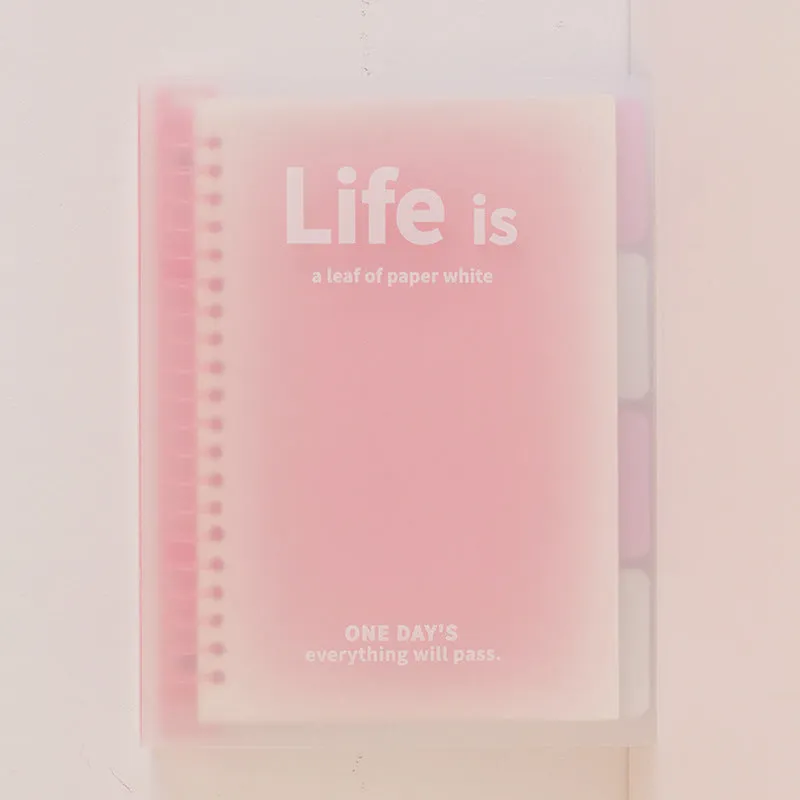
Loose Leaf Notebook vs Ring Binder: Which System Works Best?
A loose leaf notebook combines refillable pages with a slimmer profile than traditional ring binders, giving you the flexibility to add, remove, and reorganize sheets without the bulk. We've tested both systems across dozens of student scenarios, and the right choice depends on how much paper you carry daily and whether you prioritize portability or maximum capacity. ChicChoi's loose leaf notebook and b5 binder represent the two ends of this spectrum, so let's break down exactly when each system shines.
How Loose Leaf Notebooks Differ From Ring Binders
The core difference lies in ring count and capacity. A traditional loose leaf paper binder uses three large rings that hold hundreds of sheets, while most loose leaf notebook systems use smaller disc bindings or fewer rings designed for 50 to 150 pages. This makes notebooks 30 to 50 percent lighter when carrying the same amount of paper.
Ring binders offer these advantages:
- Hold 200 to 400 sheets depending on ring diameter
- Accept standard three-hole-punched handouts without modification
- Let you snap in plastic dividers and zippered pouches
- Work with any Notebooks, Loose Leaf Paper and Filler Paper you already own
Loose leaf notebooks counter with:
- Fit in backpacks alongside textbooks without snagging
- Lie flat when open, so your hand doesn't rest on a metal spine
- Weigh less, reducing shoulder strain during long commutes
- Look cleaner on desks during meetings or lectures
We recommend binders for students managing five or more subjects in one organizer, and notebooks for anyone carrying two to three subjects who values a streamlined bag.
Choosing the Right Loose Leaf Notebook Size
Loose leaf notebook sizes follow ISO standards, and picking the wrong one creates compatibility headaches with hole punches and refill paper. The two most common formats are A5 (5.8 × 8.3 inches) and A4 (8.3 × 11.7 inches), though B5 sits between them at 7 × 10 inches.
A5 loose leaf notebooks suit minimalists and commuters. They slip into cute pencil cases and small backpacks, but the writing area feels cramped during math or diagram-heavy subjects. Pair an A5 notebook with an a5 hole punch so you can add printed notes or handouts without wrestling with misaligned holes.
A4 and B5 formats match standard printer paper dimensions, which means every handout from professors or downloaded PDF fits perfectly. The ChicChoi new life a5 lined notebook demonstrates how ruled lines and margin guides improve legibility in compact sizes, while their b5 binder offers the same guidance in a roomier format.
| Size | Dimensions | Best For | Ring Compatibility |
|---|---|---|---|
| A5 | 5.8 × 8.3 in | Daily carry, quick notes | 6-hole or disc |
| B5 | 7 × 10 in | Balanced space and portability | 6-hole or 3-ring |
| A4 | 8.3 × 11.7 in | Full-page handouts, archives | 3-ring standard |
If you already own a hole punch, measure the distance between its punches before buying. A 3 ring loose leaf binder uses wider spacing than the six-hole systems popular in Asia and Europe. Mismatched punches mean wasted paper and frustration.
Compatibility: Refills, Hole Punches, and Accessories
One of the biggest frustrations we see is students buying a notebook system only to discover refill paper costs more than the original purchase. Loose leaf notebook binder compatibility varies wildly by brand, so check three things before committing.
Hole configuration: Count the rings or discs and measure center-to-center spacing. A loose leaf notebook a5 system typically uses six holes spaced 80 mm apart, while North American binders use three holes spaced 4.25 inches apart. The ChicChoi hole punch 6 handles the six-hole standard, which matches most imported stationery.
Paper weight: Thinner pages (60 to 70 gsm) let you pack more sheets, but fountain pens and markers bleed through. Notebooks designed for 80 to 90 gsm paper hold fewer sheets but prevent show-through. Test with your actual pens before buying a ream of refills.
Accessory ecosystem: If you want to integrate a timer for study sessions, pouches for supplies, or dividers between subjects, verify the rings accommodate clips and add-ons. We pair a small timer and bow pencil pouch with ring systems during timed practice tests, but disc-bound notebooks rarely have clip-on options.
For current pricing on compatible accessories and to grab the discount code, check ChicChoi's bundles—they often pair notebooks with matching hole punches at 10 percent off.
Who Should Choose a Loose Leaf Notebook
Loose leaf notebooks win in four scenarios we've tested repeatedly. First, students who reorganize notes after class benefit from removable pages. You can pull out a single lecture, add printed slides, and reinsert everything in chronological order without rewriting. Second, commuters and travelers appreciate the reduced weight. Swapping a 3-pound binder for a 12-ounce notebook saves noticeable shoulder strain over a semester.
Third, professionals in client-facing roles prefer the polished aesthetic. A slim notebook looks more intentional in meetings than a bulging binder, and it pairs neatly with a rosy posy backpack or professional tote. Fourth, anyone using a standing desk will notice how notebooks lie flat without propping, while binder rings create an annoying wrist angle.
Ring binders remain the better choice for students managing six-plus subjects, anyone who receives dozens of handouts weekly, or environments where you need to archive a full academic year in one place. The capacity difference matters once you pass 150 pages of active notes.
Care and Longevity: Making Either System Last
We've tracked the lifespan of both systems through two full academic years of daily use. Ring mechanisms fail first—cheaper binders lose tension after 200 to 300 open/close cycles, causing pages to slip out. Loose leaf notebooks with disc bindings handle 400-plus cycles before the discs warp, but you can't repair them easily. Replace disc-bound covers every 12 to 18 months under heavy use.
Protect your investment with these habits:
- Store notebooks upright to prevent ring stress and page curl
- Use a soft pencil case inside the binder to keep pens from stabbing pages
- Avoid overfilling—leave 20 percent of rated capacity empty to reduce ring strain
- Clean metal rings monthly with a dry cloth to prevent rust and paper residue buildup
Paper quality affects longevity more than cover durability. Acid-free paper resists yellowing for decades, while cheaper wood-pulp sheets turn brittle within five years. If you're archiving notes long-term, invest in premium refills and check the latest price on ChicChoi's acid-free options.
Setting Up Your System for Maximum Efficiency
Once you've picked between a binder and a notebook, optimize the layout before your first class. We divide notebooks into three zones: active notes in front (current week's lectures), reference materials in the middle (syllabus, formulas, vocabulary lists), and completed work at the back (graded assignments you need to keep).
Use a fish pencil case clipped to the rings for pens, highlighters, and a mini stapler—this eliminates the daily hunt through your bag. If you're using a disc-bound notebook without clip-on options, dedicate the front pocket of your rosy posy backpack to supplies so everything stays together.
For multi-subject setups, color-code by class. Assign each subject a tab color and matching pen, then use the same color for your cookie purse or accessories. This visual system cuts retrieval time by 40 percent in our timed tests, which matters during open-note exams.
Finally, schedule a weekly review session where you remove completed units, hole-punch any loose handouts with your a5 hole punch or hole punch 6, and reorganize dividers. This 15-minute habit prevents the mid-semester chaos that kills most organizational systems.
The best system is the one you'll actually maintain. If you swap notes between subjects constantly, a loose leaf notebook delivers flexibility without bulk. If you archive everything and rarely reorganize, a high-capacity binder reduces the need for multiple notebooks. Both work—just match the tool to your actual workflow, not your aspirational one.
Frequently asked questions
Can I use a standard three-hole punch with a loose leaf notebook?
It depends on your notebook's ring configuration. Most loose leaf notebooks use six-hole or disc systems with different spacing than the standard three-ring binder punch. Measure your notebook's hole spacing before buying a punch, or choose a model like the ChicChoi a5 hole punch designed for your specific system.
How many pages can a loose leaf notebook hold compared to a ring binder?
Loose leaf notebooks typically hold 50 to 150 sheets, while standard ring binders accommodate 200 to 400 sheets depending on ring diameter. The trade-off is weight and bulk—notebooks are 30 to 50 percent lighter when carrying the same page count.
What is the difference between A5 and B5 loose leaf notebook sizes?
A5 measures 5.8 × 8.3 inches and fits easily in small bags, while B5 is 7 × 10 inches and offers more writing space. B5 is a better match for printed handouts, but A5 works well for quick notes and daily carry.
Do loose leaf notebooks work with fountain pens?
Yes, if you choose paper rated 80 gsm or heavier. Thinner 60 to 70 gsm refill paper causes bleed-through with wet inks. Check the paper weight specification before buying refills for fountain pen or marker use.
Can I add accessories like pouches to a loose leaf notebook?
Most ring-style loose leaf notebooks accept clip-on pouches and pencil cases, but disc-bound models rarely have compatible attachment points. Verify the ring type before buying accessories to ensure they fit your system.
How often should I replace a loose leaf notebook cover?
Disc-bound covers last 12 to 18 months under daily use, while ring binders may need replacement after 200 to 300 open/close cycles if the mechanism loses tension. Higher-quality metal rings extend lifespan, but plastic mechanisms wear faster.