
How to Organize Your ChicChoi Pencil Case for Maximum Storage

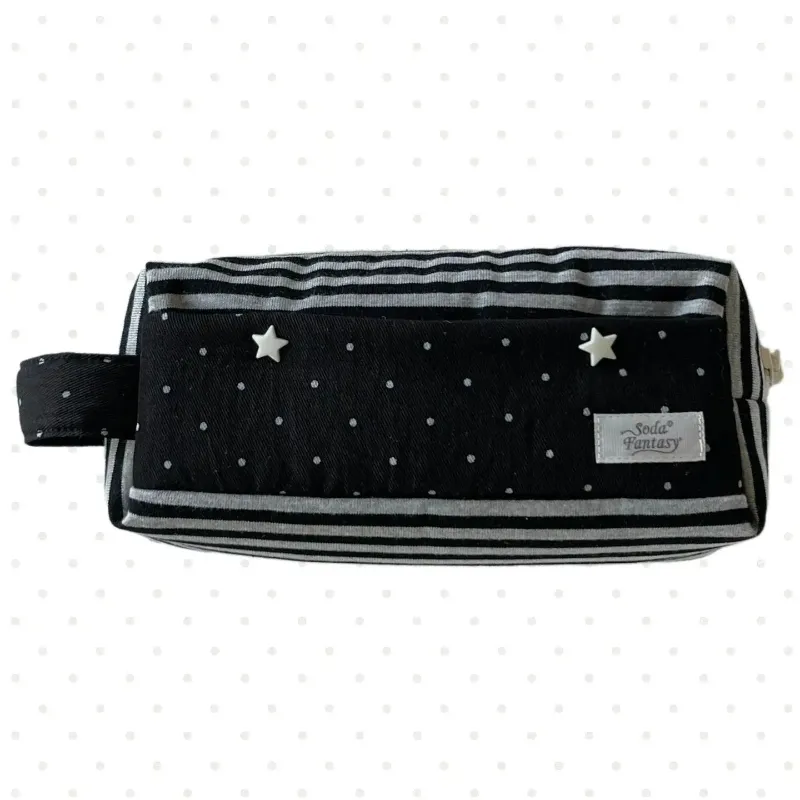
How to Organize Your ChicChoi Pencil Case for Maximum Storage
A soft pencil case holds far more supplies than you'd expect when you organize it strategically. We tested multiple packing methods across different pouch styles and found that vertical stacking, compartment zoning, and the right accessories can double your usable storage without upsizing to a bulkier case.
ChicChoi's flexible designs, including their cute pencil cases and structured bow pencil pouch, work beautifully with these techniques. Whether you're packing for school, art projects, or travel, the right system keeps everything accessible while protecting delicate supplies.
Why Soft Pencil Cases Need a Different Organizing Approach
Unlike hard cases with built-in dividers, a soft pencil case with zipper relies on *you* to create structure. The fabric flexes around your items, which is an advantage when you pack intentionally. Pens can nestle next to erasers, washi tape can tuck into corners, and the whole pouch compresses to fit your bag.
The tradeoff is that without zones, everything tumbles together. Pen tips bend, erasers collect graphite dust, and you waste time digging for the one highlighter you need. A few simple organizing principles solve this while keeping the pouch lightweight and packable.
Pencil cases and pouches come in countless materials and sizes, but soft fabric styles remain the most popular for everyday carry because they adapt to your exact supply list.
Create Zones Inside Your Soft Pencil Case
Divide your case into three invisible zones to keep like items together and prevent damage:
- Writing zone (front or left): everyday pens, pencils, and mechanical pencils standing upright or laying flat
- Tool zone (middle): erasers, sharpeners, correction tape, mini rulers, and your small timer if you use one for study sessions
- Specialty zone (back or right): markers, highlighters, gel pens, or art supplies that you grab less frequently
If you carry a fish pencil case or another shaped design, adapt these zones to the interior layout. The key is consistency so your hand knows exactly where to reach.
For students who also carry notebooks, pair your pouch with a loose leaf notebook or new life a5 lined notebook and store the case in the same backpack pocket. We love the rosy posy backpack for its dedicated organization compartments that keep pouches from shifting around.
Use Mini Pouches and Dividers to Maximize Space
One of the best tricks we discovered is the pouch-within-a-pouch method. Tuck a small zippered bag or fabric sleeve inside your main case to corral tiny items:
- Eraser caps, lead refills, and spare nibs
- Sticky notes or index cards
- Paper clips and binder rings
This prevents small pieces from migrating to the bottom and creates a secondary layer of organization. You can also use a flat mesh divider (cut from a makeup bag or pencil case organizer) to separate the top and bottom halves if your soft case is deep enough.
Check the latest ChicChoi accessories and pricing to see if they offer matching mini pouches that nest inside their larger cases.
Pack Vertically to Double Your Capacity
Laying pens flat wastes space. Instead, stand them upright or angle them diagonally so they stack like a quiver. This method works especially well in taller soft pencil case designs with structured bottoms.
Here's our tested vertical packing order from bottom to top:
- Base layer: longest items like rulers or mechanical pencils laid flat
- Middle layer: standard pens and pencils standing upright, tips facing the same direction
- Top layer: short items like erasers, sharpeners, and highlighters tucked into gaps
If you're packing art supplies, place markers tip-down so gravity keeps the ink flowing. For delicate tools like compass points or a5 hole punch accessories, wrap them in a small cloth or tuck them into a protective sleeve before adding them to the case.
Students who use binders can coordinate their system by keeping a b5 binder with hole-punched notes and a matching organized pencil case, so everything stays tidy from bag to desk.
Maintain Your System with Weekly Resets
Even the best-organized soft case needs a weekly refresh. Every Friday or Sunday, empty your pouch completely and:
- Remove trash, broken lead, and eraser shavings
- Test pens and toss any that have dried out
- Wipe down the interior with a damp cloth if needed
- Restock supplies you've used up during the week
This five-minute habit prevents clutter from creeping back in and keeps your case feeling spacious. Pencil cases from JetPens and similar retailers often include care instructions for different fabrics, but most soft cases can handle gentle spot cleaning.
If you carry other small accessories like a cookie purse for coins or earbuds, apply the same zoning and reset principles to keep every item in your bag organized.
Match Your Case Style to Your Supplies
Not every soft pencil case suits every supply list. Here's how to choose and organize based on what you actually carry:
| Supply Type | Best Case Style | Organization Tip |
|---|---|---|
| Basic school supplies (10-15 pens, erasers) | Single-compartment soft pouch | Use vertical packing and one mini divider |
| Art supplies (markers, brushes, palette) | Wide flat case or roll-up pouch | Lay flat, use elastic loops if available |
| Minimal carry (5-7 essentials) | Slim bow-style or compact pouch | Skip dividers, just zone by item type |
We've found that aesthetic pencil case designs (like ChicChoi's patterned and character styles) organize just as well as plain ones when you apply these methods. The visual appeal simply makes you more likely to maintain the system.
Grab the ChicChoi discount code before you stock up on coordinating cases and supplies for the new semester.
Quick Troubleshooting for Common Storage Problems
Zipper won't close smoothly: You've overpacked. Remove 3-5 items and store them in a secondary pouch or your bag's front pocket.
Pens keep leaking or breaking: Stop packing items tip-to-tip. Always orient sharp or inked ends toward the same side of the case, and use a protective cap or sleeve.
Can't find anything quickly: Your zones have dissolved. Re-establish the three-zone system and commit to returning each item to its designated area after use.
Case smells like old eraser or ink: Time for a deep clean. Empty completely, hand-wash if the material allows, and air-dry fully before repacking.
With these strategies, your soft pencil case becomes a portable mini desk that holds everything you need without bulk or chaos. The key is creating structure within the flexibility, then maintaining it with small daily habits.
Frequently asked questions
How many pens can a soft pencil case hold?
A standard soft pencil case typically holds 15 to 25 pens when you use vertical stacking and zoning strategies. The exact capacity depends on the pouch dimensions and whether you're mixing in other supplies like erasers and rulers.
Can I wash my soft pencil case if it gets dirty?
Most fabric soft pencil cases can be spot-cleaned with a damp cloth and mild soap. Check the care label first, and always air-dry completely before refilling to prevent mildew or ink transfer.
What's the best way to organize markers in a soft case?
Store markers tip-down in a vertical or diagonal arrangement so gravity keeps the ink flowing to the nib. Group them by color family in separate zones, and use a mini pouch or divider to prevent them from rolling into other supplies.
Should I use one large pencil case or multiple small pouches?
One well-organized large case works best for daily school or work supplies. Use multiple small pouches only if you need to separate categories like art supplies versus writing tools, or if you switch between different projects throughout the day.
How do I keep my soft pencil case from getting overstuffed?
Do a weekly reset where you remove items you didn't use, restock essentials, and clean out debris. Stick to the three-zone system and avoid the temptation to carry backups of everything.
Can I fit a small hole punch in my pencil case?
Yes, compact tools like a small hole punch fit easily in the tool zone of most soft pencil cases. Wrap sharp edges in a protective sleeve or mini pouch to prevent them from snagging the fabric or poking other supplies.