
How to Choose the Right Night Light for Your Baby's Nursery

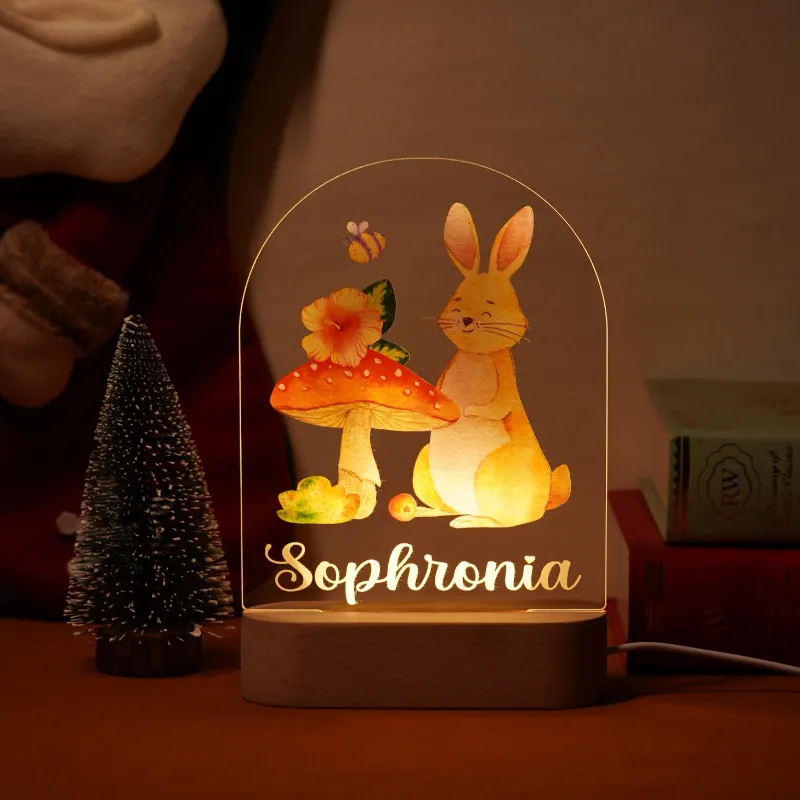
A baby night light creates a soft, reassuring glow that helps parents navigate midnight feedings and diaper changes while keeping their little one calm and drowsy. The right lighting choice supports healthy sleep patterns, prevents harsh wake-ups, and makes nighttime caregiving safer for everyone.
We've tested dozens of options to help you find the perfect fit for your nursery, whether you need a portable design, dimmable settings, or gentle color options that support your baby's natural circadian rhythm.
Why Your Baby's Room Needs the Right Lighting
Nursery lighting serves a dual purpose: it must be bright enough for parents to see safely during nighttime tasks, yet dim enough to preserve melatonin production and keep your baby drowsy. Harsh overhead lights can fully wake both you and your infant, making it harder to settle back to sleep after a 2 a.m. feeding.
Research shows that red and amber wavelengths interfere less with sleep hormones than blue or white light. A dedicated baby night light positioned away from the crib offers the ideal solution, giving you visibility without flooding the room. Many parents also appreciate nursery lamps with adjustable brightness, so the same fixture works for story time and midnight check-ins.
For detailed comparisons of top-tested options, Baby Gear Lab's night light rankings break down brightness levels, battery life, and ease of use across popular models.
Key Features to Look For in a Night Light
Not all nursery lighting is created equal. Here are the must-have features we prioritize when evaluating options:
- Dimmable settings let you adjust brightness from a soft glow during sleep to slightly brighter light for diaper changes
- Warm color temperature (2700K or lower) minimizes blue light exposure that can disrupt circadian rhythms
- Stable base or wall mount prevents tipping if a curious toddler investigates
- Battery or rechargeable power offers portability for travel or moving between rooms
- Timer or auto-shutoff conserves energy and prevents all-night operation if you forget to turn it off
- Touch or remote control means you won't fumble with switches while holding a sleepy baby
A children's night lamp with these features becomes a nursery workhorse that adapts as your child grows, from newborn feeds to toddler bedtime routines.
Brightness and Color: What Actually Works
We recommend starting with the dimmest setting that still allows you to see your baby's face and navigate safely. Many parents find that 10 to 30 lumens is the sweet spot for overnight use, though you may want 50 to 100 lumens for active tasks like changing clothes or administering medicine.
Color temperature matters more than most parents realize. Here's how different hues affect sleep:
| Color | Effect on Sleep | Best For |
|---|---|---|
| Warm amber/red | Minimal melatonin disruption | Overnight feedings, diaper changes |
| Soft white | Moderate alertness | Evening wind-down, story time |
| Cool white/blue | Suppresses melatonin production | Daytime play (avoid at night) |
Mother & Baby's guide to breastfeeding lights highlights how warm-toned lighting helps preserve the drowsy state during night feeds, making it easier for both parent and baby to drift back to sleep.
If you're looking for the best pricing on quality options, grab the current discount code for 15% off sitewide at Woodemon.
Placement and Safety Considerations
Where you position your lighting matters as much as the fixture itself. We recommend these placement strategies:
- Mount or place the light near the changing table, not beside the crib, so the glow reaches your work area without shining directly on your baby's face
- Keep cords out of reach or choose cordless battery-powered models to eliminate strangulation hazards
- Secure any freestanding lamps on stable surfaces away from the crib perimeter (at least three feet is ideal)
- Test the view from the crib before finalizing placement to ensure the light source isn't creating glare
As your child becomes mobile, revisit these guidelines. A lamp that worked perfectly for a newborn may need repositioning once your baby can pull up or climb.
Comparing Portable vs. Plug-In Options
Your lifestyle and nursery layout will dictate whether a portable or stationary design suits you best.
Portable/rechargeable models offer flexibility for travel, moving between rooms, or bringing the light to a nursing chair. They typically run 8 to 20 hours per charge depending on brightness. The tradeoff: you must remember to recharge them, and battery capacity may degrade over time.
Plug-in or wall-mounted fixtures provide consistent brightness without recharging hassles. They work well if you have an outlet near your changing station or prefer a permanent lighting solution. The downside: they're tethered to one location and require safe cord management.
We've seen parents successfully combine both types, using a plug-in nursery lamp as the primary source and keeping a portable model charged for late-night trips to the kitchen or guest room sleepovers.
Growing with Your Child: Long-Term Value
The best nursery investments adapt as your baby becomes a toddler and preschooler. Look for features that extend usability beyond the infant stage:
- Adjustable brightness transitions from newborn dimness to toddler bedtime reading light
- Fun shapes or characters engage older children who may resist bedtime without a comforting glow
- Durable construction withstands drops, throws, and curious exploration
- Timer settings teach independent sleep habits as your child learns to fall asleep without intervention
Many Woodemon lighting options are designed with this longevity in mind. Check the latest pricing to find models that balance immediate nursery needs with years of future use.
Pairing quality lighting with complementary nursery items like fine motor skills toys or gift boxes for new parents creates a thoughtfully curated space that supports development at every stage.
Final Recommendations for New Parents
Start with a warm-toned, dimmable option positioned near your changing area, and keep brightness at the lowest comfortable level for nighttime tasks. Test the light during an evening feeding or diaper change to confirm it provides enough visibility without creating harsh shadows or glare.
If you're still narrowing down choices, focus on ease of use (one-hand operation is a game-changer at 3 a.m.) and safety certifications. A slightly higher upfront investment in a well-designed baby night light pays dividends in better sleep for the entire household.
For readers assembling a complete nursery registry, consider bundling lighting with other essentials. Woodemon's collection includes thoughtful options like baby jewelry for keepsakes and cube with shapes for developmental play. Use our exclusive code to save 15% across the entire range.
Frequently asked questions
What color night light is best for a baby's sleep?
Warm amber or red light is ideal because it minimizes disruption to melatonin production. Avoid cool white or blue-toned lights during nighttime hours, as they can signal daytime to your baby's circadian system.
How bright should a nursery night light be?
We recommend 10 to 30 lumens for overnight sleep, with the option to increase to 50 to 100 lumens for diaper changes or feeding. Start at the dimmest setting that allows you to see safely and adjust from there.
Can I leave a night light on all night for my baby?
It's safe to leave a dim, warm-toned night light on all night if it helps you navigate the nursery. However, total darkness supports deeper sleep for some babies, so experiment to see what works best for your child.
Where should I place a baby night light in the nursery?
Position the light near your changing table or nursing area, not directly beside the crib. Keep it at least three feet from the crib to avoid shining light in your baby's eyes and ensure cords are out of reach.
Are rechargeable night lights better than plug-in models?
Rechargeable lights offer portability and eliminate cord hazards, but they require regular charging. Plug-in models provide consistent brightness without maintenance. Many parents find success using both types for different situations.
When should I stop using a night light in my child's room?
There's no set age to stop using a night light. Many children find comfort in a dim glow through preschool and beyond. As long as you use warm-toned, low-brightness lighting, it won't harm sleep quality.