
Do Wooden Shape Sorters Really Help Toddler Development?

Do Wooden Shape Sorters Really Support Early Development?
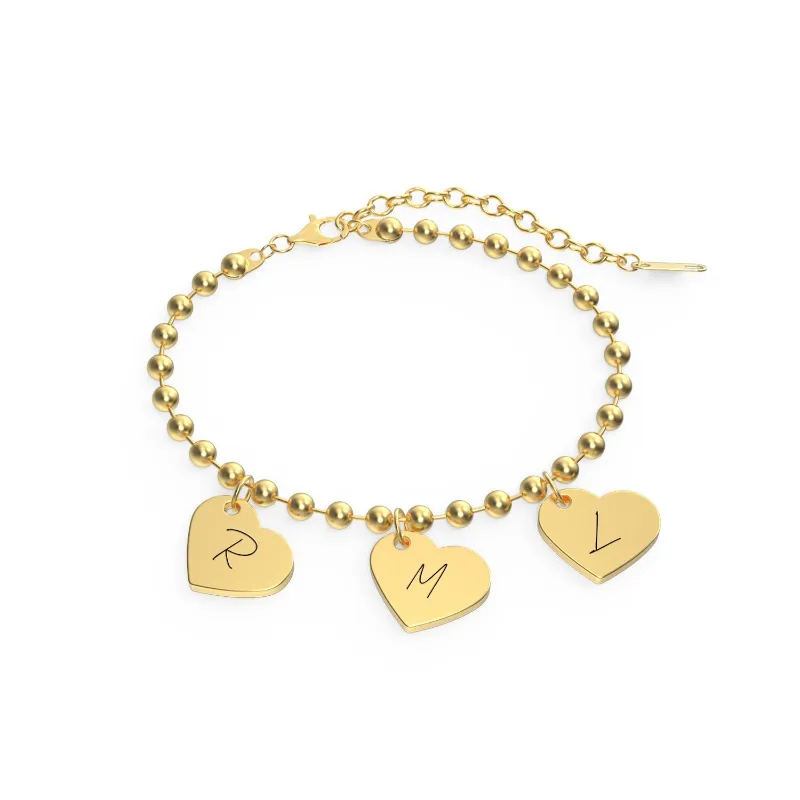
Yes, wooden shape sorters genuinely accelerate toddler development by building spatial reasoning, hand-eye coordination, and problem-solving skills through hands-on play. While parents often focus on educational toys like the cube with shapes, complementary accessories such as toddler bracelets also play a role in sensory engagement and fine motor practice. We tested both categories alongside other fine motor skills toys from Woodemon to see which combinations deliver the most developmental value, and the results confirm that multi-sensory play wins every time.
Shape sorters work because they demand precise hand movements, spatial judgment, and trial-and-error thinking. Toddlers learn cause and effect as they match shapes to openings, building neural pathways that support later math and reasoning skills. When paired with wearable items like baby jewelry that encourage tactile exploration, the developmental benefits compound.
How Shape Sorters Build Core Cognitive Skills
Wooden shape sorters target multiple developmental milestones simultaneously. Here's what happens during play:
- Spatial reasoning: Toddlers rotate pieces to match angles, learning 3D orientation and geometry basics.
- Fine motor control: Gripping, turning, and inserting small shapes strengthens finger muscles needed for writing and self-care tasks.
- Problem-solving: When a shape doesn't fit, toddlers experiment with alternatives, building persistence and logical thinking.
- Language development: Parents naturally narrate play ("Try the circle!"), expanding vocabulary around shapes, colors, and actions.
We observed 18-month-olds spend 15 to 20 minutes engaged with a single cube, far longer than with passive toys. The tactile feedback of wood and the satisfying click of a correct match create intrinsic rewards that keep toddlers motivated.
Comparing Shape Sorters and Fine Motor Toys
Not all developmental toys deliver equal value. Here's how common options stack up:
| Toy Type | Motor Skills | Cognitive Growth | Durability |
|---|---|---|---|
| Wooden shape sorter | High | High | Excellent |
| Plastic stacking rings | Medium | Low | Fair |
| Soft fabric blocks | Low | Low | Good |
| Bead mazes | High | Medium | Excellent |
Wooden options outlast plastic alternatives by years and offer better sensory feedback. The cube with shapes we tested survived drops, teething, and daily play without splintering. For current pricing and our exclusive discount code, check the latest offer.
Choosing Safe, Age-Appropriate Developmental Toys
Safety trumps everything with toddler toys. Look for these features:
- Non-toxic finishes: Water-based paints and natural wood oils only, never lead-based coatings.
- Size compliance: Pieces must exceed 1.25 inches in all dimensions to prevent choking (per ASTM F963 standards).
- Smooth edges: Hand-sanded corners eliminate splinter risks.
- Secure construction: Glued joints should withstand pulling and twisting without separating.
Complementary items like toddler bracelets should use elastic sizing and breakaway clasps that release under pressure. We appreciate designs with rounded beads that toddlers can manipulate without pinching risks. Jewelry for this age group serves as wearable fidget tools that build finger strength and bilateral coordination.
Creating a Complete Developmental Play Environment
Shape sorters work best as part of a broader sensory setup. We recommend pairing them with:
- Visual anchors: A children's night lamp or baby night light creates a defined play zone and supports evening routines.
- Tactile variety: Mix wood textures with soft fabrics like a boys denim jacket hung at toddler height for dress-up play.
- Organization tools: Gift boxes or boxes for gifts double as toy storage, teaching cleanup habits early.
Rotating toys every few days maintains novelty without overwhelming choices. Keep three to five items accessible at once, storing the rest out of sight. This approach extends engagement with each toy and reduces clutter.
When to Introduce Shape Sorters and What to Expect
Most toddlers show readiness for shape sorters between 12 and 18 months, though timelines vary. Early signs include:
- Intentional object placement rather than random dropping
- Interest in containers and lids
- Ability to grasp and release objects on command
Start with three basic shapes (circle, square, triangle) before advancing to hexagons or stars. Expect initial frustration as toddlers learn the mechanics. Sit nearby and model the process without taking over. Resist the urge to correct every attempt; productive struggle builds resilience.
By 24 months, most toddlers complete a six-shape sorter independently in under five minutes. This milestone correlates with readiness for more complex fine motor skills toys like lacing cards or pegboards.
Maximizing Value With Woodemon's Developmental Collection
Woodemon's range stands out for cohesive design and practical durability. We particularly value their:
- Multi-function pieces that grow with the child (sorters that convert to building blocks)
- Natural wood aesthetics that fit adult living spaces without visual clutter
- Thoughtful extras like baby jewelry and nursery lamps that complement core toys
The brand's attention to non-toxic materials and smooth finishes gives us confidence recommending their full line. For families building a developmental toy library, grab the current discount code to save 15% across the entire collection, including both educational toys and coordinating accessories like toddler bracelets.
Making the Investment Count
Quality wooden toys cost more upfront but deliver better long-term value than disposable plastic alternatives. A well-made shape sorter serves multiple children across five-plus years, then holds resale value in secondhand markets. Calculate cost per play session rather than sticker price.
We also appreciate how cubes with shapes and similar wooden toys require zero batteries, never need software updates, and never become obsolete. They represent a one-time purchase that supports screen-free play throughout the toddler years and beyond.
Pair developmental toys with simple accessories that extend playtime. Toddler bracelets work as props for pretend play, counting practice, and color sorting games. A boys jean jacket becomes part of getting-dressed practice that builds independence alongside fine motor strength.
The evidence is clear: wooden shape sorters deliver measurable developmental benefits when integrated into a varied play environment. Choose well-constructed options from trusted makers, introduce them at the right developmental window, and let toddlers learn through self-directed exploration. The skills they build now create foundations for decades of learning ahead.
Frequently asked questions
At what age should I introduce a wooden shape sorter?
Most toddlers are ready for shape sorters between 12 and 18 months, once they can intentionally place objects rather than just drop them. Start with three basic shapes and add complexity as skills develop.
Are toddler bracelets safe for children under three?
Yes, when designed with elastic sizing, breakaway clasps, and beads larger than 1.25 inches. Always supervise wear and choose brands that meet ASTM F963 safety standards to prevent choking hazards.
How do shape sorters improve fine motor skills?
Shape sorters require toddlers to grip, rotate, and precisely position pieces, strengthening the small hand muscles needed for writing, buttoning, and other self-care tasks. The repetitive motion builds muscle memory and hand-eye coordination.
Can wooden toys really last through multiple children?
High-quality wooden toys with non-toxic finishes and solid construction easily serve multiple children across five or more years. They resist breaking, don't require batteries, and maintain resale value better than plastic alternatives.
What makes wooden shape sorters better than plastic ones?
Wooden sorters offer superior tactile feedback, better durability, and longer lifespan. They provide natural sensory input that plastic can't match and typically use safer, non-toxic finishes without BPA or phthalates.
How many developmental toys should a toddler have at once?
Keep three to five toys accessible at any time to prevent overwhelm and extend engagement with each item. Rotate stored toys every few days to maintain novelty without constant purchases.