
How to Choose the Right Obstetric Reference Book for Your Practice

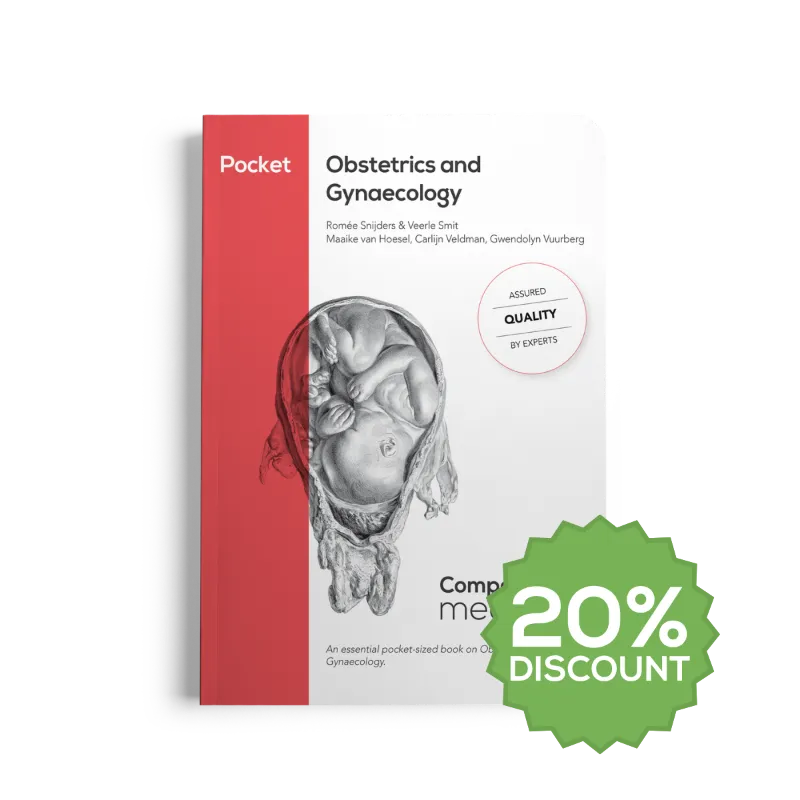
How to Choose the Right Obstetric Reference Book for Your Practice
The best obstetric books for your practice depend on your training level, clinical setting, and whether you need rapid bedside reference or deep theoretical grounding. Medical students typically benefit from comprehensive textbooks with step-by-step guidance, while residents and attending physicians often prefer portable references that deliver protocols and differentials quickly. We tested dozens of obstetrics resources across formats to help you find the right match.
Match the Book Format to Your Clinical Role
Different clinical roles demand different reference styles. Medical students preparing for shelf exams need obstetric books with detailed pathophysiology, case vignettes, and board-style questions. Residents rotating through labor and delivery benefit from pocket-sized guides that fit in scrub pockets and provide dosing charts, emergency protocols, and delivery checklists at a glance.
Attending physicians managing outpatient practices often prefer evidence-based references with citation trails and treatment algorithms they can adapt to individual patients. A medicine pocket guide serves well for quick intrapartum decisions, while larger textbooks remain valuable for complex cases or teaching rounds.
| User | Best Format | Key Features |
|---|---|---|
| Medical students | Comprehensive textbook | Illustrations, Q&A, pathophysiology |
| Residents | Pocket reference | Protocols, drug doses, quick algorithms |
| Attendings | Evidence-based desk reference | Citations, guidelines, complex cases |
Before you buy, check the latest price to compare editions and save with our current offer.
Evaluate Edition Currency and Update Frequency
Obstetrics and gynecology guidelines shift as new trials emerge, especially around topics like preeclampsia management, cesarean indications, and peripartum antibiotic prophylaxis. The HMSOM Library residency toolkit tracks how frequently major references update their recommendations.
Look for books published or revised within the past three years. Older editions may contain outdated screening intervals, medication contraindications, or labor management protocols that no longer align with ACOG guidelines. Many publishers now offer annual pocket editions that incorporate the latest bulletins, while flagship textbooks typically update every four to five years.
Digital subscriptions sometimes provide interim updates between print editions, which matters if you manage high-risk patients or work in a teaching hospital where trainees expect current evidence. Compare the publication date against recent guideline changes in your subspecialty before committing to an edition.
Compare Comprehensive Textbooks vs Pocket Guides
Comprehensive obstetrics textbooks span 800 to 1,500 pages and cover prenatal care, labor management, surgical techniques, postpartum complications, and maternal-fetal medicine subspecialties. They work well as desk references for case preparation, teaching, or deep dives into rare conditions. Medical students often use these as their primary resource alongside question banks, and many programs list a flagship title as required reading.
Pocket guides condense protocols, drug dosages, and decision trees into 300 to 500 pages sized to fit a lab coat. They excel at bedside use when you need immediate answers about magnesium sulfate dosing, Bishop score interpretation, or shoulder dystocia maneuvers. Residents rotating through obstetrics and gynecology often pair a pocket guide with first aid books for rapid review before shifts.
If you rotate across multiple specialties, a multipurpose medicine pocket reference that includes obstetric emergencies alongside other acute care topics may reduce the number of books you carry. For dedicated OB-GYN training, a specialty pocket guide offers deeper coverage of antepartum testing, labor curves, and operative delivery techniques.
Assess Illustrations, Tables, and Visual Learning Tools
Visual learners benefit from books that pair text with labeled diagrams of fetal positions, pelvic anatomy, and surgical approaches. High-quality illustrations clarify concepts like station and descent during labor, placental implantation variations, and forceps or vacuum application techniques that are difficult to grasp from text alone.
Tables and flowcharts accelerate clinical decision-making. Look for references that present differential diagnoses, risk stratification scores, and management pathways in scannable formats. Color-coded drug dosing tables, gestational age nomograms, and emergency checklists prove especially useful under time pressure in labor and delivery units.
Some obstetrics and gynecology books for medical students emphasize case-based learning with clinical scenarios, imaging studies, and question prompts that mirror shelf and board exams. Residency-focused titles prioritize real-world protocols and evidence summaries over pedagogical features. Match the visual style to how you learn and the context where you'll use the book.
Consider Free Digital Options and Supplementary Resources
Free obstetric books in PDF format circulate online, but verify their edition date, author credentials, and alignment with current guidelines before relying on them clinically. University libraries often provide access to UpToDate, DynaMed, and other subscription databases that deliver peer-reviewed summaries with live updates, making them a strong complement to print references.
Open-access resources like the Preston library guide to obstetrics and gynecology books and curated reading lists such as 9 Books on Women's Health & Gynecology help you compare titles and identify gaps in your current collection. Many residency programs maintain shared digital libraries where you can preview chapters before purchasing.
If budget is a concern, older editions of flagship textbooks retain value for foundational knowledge even as specific drug protocols evolve. Pair an older comprehensive text with a current pocket guide to balance depth and currency, then grab the code to save on your order.
Build a Balanced Reference Library for Obstetrics
Most practitioners eventually assemble a small library rather than relying on a single title. A typical setup includes one comprehensive textbook for deep study, one portable pocket guide for clinical shifts, and digital access to a guideline database for real-time updates.
Consider cross-specialty references if you practice family medicine or emergency medicine with obstetric responsibilities. A derm book helps with pregnancy-related skin conditions, while books radiology improve your interpretation of obstetric ultrasounds and imaging studies. Bundling references during sales or using our discount code stretches your budget further.
Prioritize books that match your immediate training needs, then expand your collection as you subspecialize or transition into attending roles. The best obstetrics and gynecology books for residency emphasize practical skills and evidence-based protocols, while those suited for fellowship or consultative practice dive deeper into maternal-fetal medicine, reproductive endocrinology, or gynecologic oncology.
Start with one high-quality resource in each format, test how often you reference it during clinical work, then adjust your collection based on real-world use. Check current pricing and availability to compare editions and formats before you buy.
Frequently asked questions
What is the best obstetrics book for medical students?
Medical students benefit most from comprehensive textbooks that combine detailed pathophysiology, clinical cases, and board-style questions. Look for recent editions published within the past three years to ensure guidelines align with current ACOG recommendations.
Do I need a separate pocket guide if I already own a full obstetrics textbook?
Yes, pocket guides serve a different purpose by providing rapid bedside access to protocols, drug doses, and emergency algorithms that are impractical to look up in a 1,000-page textbook during active labor management. Most residents carry both.
How often should I update my obstetric reference books?
Replace your primary clinical reference every three to four years or when major guideline changes occur in areas like preeclampsia management or cesarean indications. Pocket guides that include drug dosing should be updated more frequently.
Are free PDF obstetrics textbooks reliable for clinical use?
Free PDFs vary widely in quality and currency. Always verify the edition date, author credentials, and publisher before using them clinically, and cross-reference recommendations against current ACOG guidelines or institutional protocols.
Can I use a general medicine pocket guide instead of an obstetrics-specific one?
General medicine guides cover obstetric emergencies at a basic level but lack the depth residents need for routine labor management, antepartum testing interpretation, and operative delivery techniques. A specialty guide is worth the investment if you rotate regularly in OB-GYN.
Which obstetrics books do residency programs typically require?
Most programs designate one flagship comprehensive textbook and recommend a portable reference for clinical rotations. Requirements vary by institution, so check your program's reading list before purchasing to avoid duplicates.