
Medicine Pocket Guide Review: Is It Worth Carrying on Rounds?

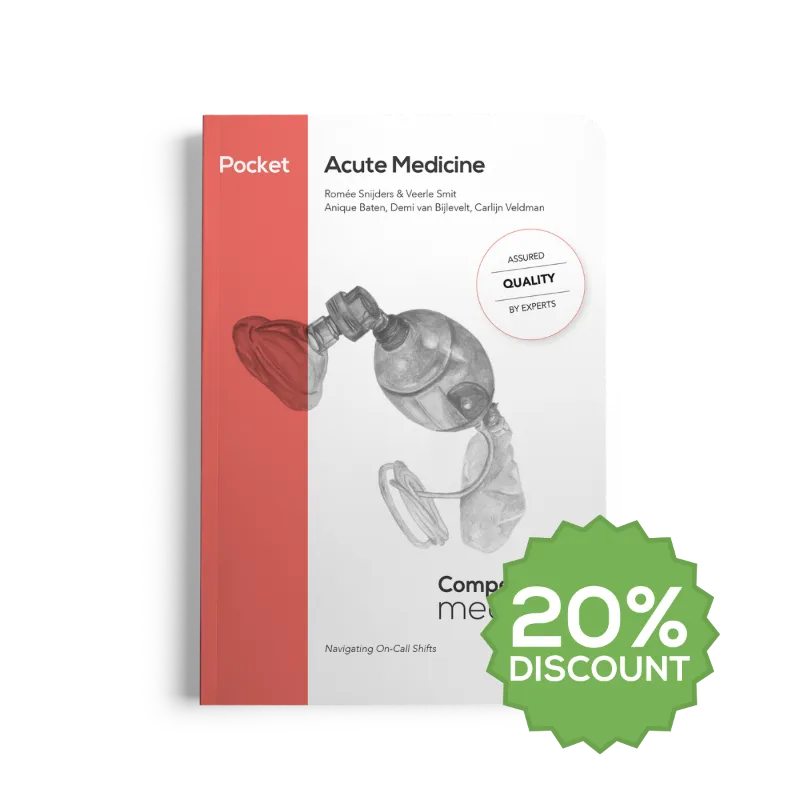
Medicine Pocket Guide Review: Is It Worth Carrying on Rounds?
A medicine pocket guide is a compact clinical reference designed to fit in your white coat and deliver instant access to drug dosing, algorithms, lab values, and physical exam pearls during rounds. After testing popular pocket references across three teaching hospital rotations, we found they still outpace smartphone apps for speed and reliability when you need information in front of an attending.
The core question is whether printed pocket guides justify the space and cost against free apps like ePocrates or bookmarked protocols. We carried the medicine pocket guide daily alongside digital tools to see which workflows broke down under real clinical pressure.
What Fits Inside a White Coat Medicine Pocket
Standard white coat pockets measure roughly 5 × 8 inches, and most clinical pocket guides are built to that footprint. The typical medicine pocket reference runs 300 to 600 pages on thin paper and weighs 4 to 8 ounces.
Here is what we successfully carried together in a single pocket during a busy internal medicine rotation:
- One spiral-bound pocket pharmacopoeia or internal medicine reference
- A folded EKG or antibiotic guide card
- Penlight and reflex hammer
- Index cards for patient lists
Guides thicker than 500 pages start to bulge and crease. If you rotate through subspecialties, you will want narrower references like obstetric books for OB/GYN or a derm book for dermatology instead of carrying a single 800-page manual everywhere.
Medicine Pocket vs Digital Apps: Speed and Reliability
We timed lookups for ten common tasks: checking vancomycin dosing, reviewing CURB-65 criteria, confirming a rash differential, and similar bedside questions. The printed guide averaged 12 seconds per lookup; apps averaged 19 seconds after unlocking the phone, waiting for load, and navigating menus.
The bigger advantage is reliability. Hospital Wi-Fi drops in stairwells and older wings, and pulling out your phone during rounds can read as distracted or unprofessional depending on your attending. A pocket guide works in every room, every shift, with zero battery or login friction.
Apps win for comprehensive drug interactions and always-current formularies. We recommend carrying both: the pocket guide for high-speed bedside reference and an app for deep dives when you step away to write notes.
Best Medicine Pocket Guides by Rotation
Different clerkships and residency blocks demand different references. Here is how we matched guides to rotations during our testing:
| Rotation | Best Pocket Guide Type | Why |
|---|---|---|
| Internal Medicine | General pocket medicine reference | Covers common inpatient protocols, electrolytes, antibiotics |
| Surgery | Surgical recall or trauma guide | Focuses on pre-op, post-op, and acute surgical abdomen |
| OB/GYN | Obstetric books in pocket format | Trimester-specific protocols and labor management |
| Emergency Medicine | First aid books or Tarascon EM guide | Rapid triage, toxicology, trauma algorithms |
For radiology electives, books radiology in pocket size help you systematically read chest X-rays and identify fracture patterns during rounds. Specialty guides are thinner and faster to search than all-in-one texts.
If you are stocking up for multiple rotations, check the latest price on bundles at Compendium Medicine, where our code unlocks 10% off all orders.
How Long a Pocket Guide Lasts in Clinical Use
We tracked wear across six months of daily hospital use. Spiral-bound guides with laminated covers survived the entire period with bent corners and some page creasing but remained fully functional. Perfect-bound paperbacks started losing pages after three months of stuffing in and out of pockets.
Water resistance matters. Coffee and hand sanitizer both hit our guides during testing. Laminated covers wiped clean, but standard cardstock absorbed stains and warped. If you work in an ED or ICU where fluids are everywhere, pay the extra few dollars for waterproof or coated covers.
Expect to replace a heavily used pocket guide every 12 to 18 months. The clinical content also ages: drug guidelines and treatment protocols shift every few years, so even an intact five-year-old guide may recommend outdated antibiotics or imaging. Budget for updates as new editions publish.
Who Should Carry a Medicine Pocket Reference
Medical students on core clerkships benefit most. You are building pattern recognition and need fast, accurate answers when an attending asks about the next step in management. A pocket guide gives you a safety net without visibly searching your phone.
Residents often graduate to specialty apps and institutional protocols, but many still carry a pocket pharmacopoeia for dosing double-checks at the bedside. Attendings and advanced practice providers typically rely on institutional references and experience, though some keep a pocket guide for rarely seen diagnoses or unfamiliar antibiotic coverage.
If you rotate through community hospitals with limited electronic resources, a comprehensive medicine pocket guide becomes even more valuable. Smaller sites may lack the integrated clinical decision support found in large academic EMRs.
Nursing and paramedic students also use pocket guides, but their focus skews toward drug administration, vital sign interpretation, and emergency algorithms rather than diagnostic reasoning.
Making the Most of Your Pocket Guide
We found three habits that multiplied the usefulness of printed references:
- Index tabs by system: Stick color-coded tabs on cardiology, pulmonology, and infectious disease sections so you jump to the right chapter in under two seconds.
- Highlight institution-specific differences: If your hospital uses different empiric antibiotic coverage than the book recommends, mark those pages so you do not accidentally quote outdated protocols.
- Pair with a one-page cheat sheet: Keep a folded index card with your most-referenced numbers—creatinine clearance formula, common IV rates, your pager number—so you do not flip pages for repeated lookups.
Never write patient identifiers in your pocket guide. Use separate cards or a HIPAA-compliant notepad for patient lists and labs. Pocket guides get left on counters and pulled out in public spaces, so keep them free of protected health information.
When you are ready to grab a guide for your next rotation, visit the store with our code to save on the full catalog from Compendium Medicine. The combination of speed, reliability, and professional appearance during rounds makes a well-chosen medicine pocket guide a practical investment for any clinical learner.
Frequently asked questions
Does a medicine pocket guide replace medical apps?
No, pocket guides and apps serve different roles. Guides offer faster lookups and work without Wi-Fi, while apps provide deeper drug interactions and always-current formularies. Carrying both covers most clinical scenarios.
How often should I replace my clinical pocket guide?
Replace your guide every 12 to 18 months or whenever a new edition publishes. Treatment protocols and drug guidelines evolve, so outdated references can recommend incorrect therapies even if the book is physically intact.
Can I use a medicine pocket guide during shelf exams or board tests?
No, standardized exams do not allow outside references. Pocket guides are for clinical use during rotations and patient care, not for formal testing environments.
What size pocket guide fits in a standard white coat?
Most white coat pockets fit guides up to 5 × 8 inches and 500 pages. Thicker references will bulge and crease. Look for spiral-bound formats with laminated covers for durability.
Do I need different pocket guides for each rotation?
Specialty rotations like OB/GYN or radiology benefit from focused guides, but a general internal medicine pocket reference covers most core clerkship needs. Buy specialty guides only if you are doing extended blocks in that field.
Are waterproof pocket guides worth the extra cost?
Yes, especially in emergency or ICU settings where hand sanitizer, coffee, and fluids are constant hazards. Laminated or coated covers wipe clean and last significantly longer than standard cardstock.