
How to Choose the Right Tennis Racquet for Your Playing Style

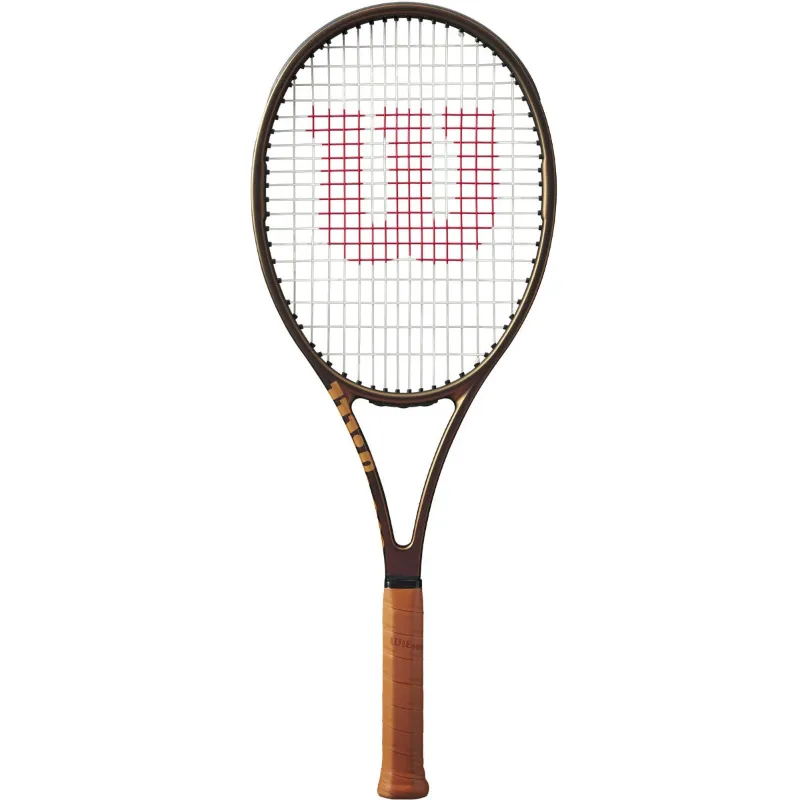
How to Choose the Right Tennis Racquet for Your Playing Style
The wilson hyper hammer 5.3 tennis racquet suits recreational players who want effortless power and a forgiving sweet spot, while advanced players typically need control-oriented frames with smaller heads and heavier weights. Your ideal racquet depends on three factors: your current skill level, whether you prioritize power or control, and your physical strength and swing speed.
We tested a range of modern racquets to help you understand which specifications match different playing styles. The right frame amplifies your strengths without exposing weaknesses, so knowing what each spec delivers on court makes all the difference.
Match Head Size to Your Skill Level
Head size directly controls how much power you generate and how forgiving mishits feel. Larger heads produce more trampoline effect and expand the sweet spot, which helps beginners and intermediate players who don't consistently strike the center of the strings.
Oversized frames (105+ square inches) like the wilson hyper hammer 5.3 tennis racquet deliver maximum power with minimal effort. The Hyper Hammer 5.3's specifications show a 110 square inch head that provides stability even when you catch the ball off-center. Players who appreciate this design often discuss their experience in community forums dedicated to the model.
Midplus frames (95-104 square inches) balance power and control for intermediate to advanced players. The yonex vcore 100 8th gen tennis racquet and wilson clash 100 v3 tennis racquet both sit at 100 square inches, giving you enough pop on groundstrokes while maintaining precision on volleys and drop shots.
Midsize frames (85-94 square inches) suit advanced players with fast swing speeds who generate their own pace. The wilson pro staff 97 v14 tennis racquet offers pinpoint accuracy but demands clean technique and consistent ball striking.
Weight and Balance Shape Your Swing
Weight distribution determines how stable the frame feels at contact and how quickly you can maneuver it. We measure this through static weight (grams) and balance point (head-light, even, or head-heavy).
Lightweight, head-heavy frames work for players who:
- Need extra power without a long, fast swing
- Prefer doubles or net play where quick reactions matter
- Have less upper body strength or recovery from injury
The babolat boost drive tennis racquet and babolat boost aero tennis racquet use this design to add mass behind the ball while keeping the handle light enough for fast volleys.
Heavier, head-light frames suit players who:
- Generate their own pace with full swings
- Want maximum control and stability on off-center hits
- Play baseline-heavy singles with aggressive groundstrokes
The wilson pro staff 97 v14 tennis racquet weighs more but balances toward the handle, giving you surgical precision when you dictate rallies.
Even-balanced frames split the difference for all-court players who mix power and finesse. The yonex ezone 100l tennis racquet delivers this versatility without sacrificing comfort.
Check current pricing and grab our code to save on any of these models.
String Pattern Impacts Spin and Control
String pattern refers to how many vertical (mains) and horizontal (crosses) strings the frame holds. Open patterns (16x19 or 16x18) let strings move more at contact, which grabs the ball and generates heavy topspin. Dense patterns (18x20) lock strings in place for flatter, more controlled shots.
Recreational players benefit from open patterns because the added spin helps keep aggressive shots inside the baseline. The yonex ezone 100 blast blue tennis racquet uses a 16x19 setup that makes it easier to brush up the back of the ball and create net clearance with margin.
Flat hitters and serve-and-volley players prefer dense patterns that reduce string movement and deliver predictable responses. Advanced competitors who don't rely on spin for consistency often choose tighter configurations.
Beam Width Determines Power vs. Control
Beam width measures how thick the frame is from front to back. Thicker beams (26+ mm) act like stiff levers that deflect less at impact, sending more energy back into the ball. Thinner beams (20-23 mm) flex more and require you to supply the power.
Power-oriented frames use thick, stiff constructions. Some enthusiasts restring vintage models specifically for that classic power-boosting feel. Modern equivalents include the wilson hyper hammer 5.3 tennis racquet and similar recreational designs.
Control frames stay thin to give advanced players feedback and touch. The wilson pro staff 97 v14 tennis racquet measures around 21.5 mm for maximum feel and workability.
Compare Popular Racquets by Playing Style
| Playing Style | Best Match | Key Benefit |
|---|---|---|
| Recreational / power | Wilson Hyper Hammer 5.3 | Oversized head, lightweight, maximum forgiveness |
| Intermediate all-court | Yonex VCORE 100 8th Gen | Spin-friendly, stable, versatile from baseline to net |
| Advanced baseline | Wilson Pro Staff 97 V14 | Precision, feedback, control for fast swingers |
| Budget-friendly power | Babolat Boost Drive | Affordable, head-heavy, easy power for beginners |
Visit our store page to compare specs and find current discounts before you buy.
Test Before You Commit
Demo programs let you play with a racquet for a week before purchasing. Many players find that specs on paper feel different during live rallies, so hitting with the frame reveals whether it matches your timing and comfort preferences.
Start with a model that aligns with your skill level, then adjust from there. If your first choice feels too powerful, move to a smaller head or denser string pattern. If it feels like hard work, try a larger head or lighter weight.
We also recommend trying different grip sizes. Most recreational players use 4 1/4 or 4 3/8 inch grips, but the wrong size causes fatigue and reduces control. Your fingers should barely touch your palm when you hold the racquet in a forehand grip.
Once you settle on a frame, pair it with quality tennis shoes that support lateral movement and protect your joints during hard court play. The right footwear complements your racquet choice by letting you set up properly for each shot.
Frequently asked questions
What makes the Wilson Hyper Hammer 5.3 good for beginners?
The oversized 110 square inch head and lightweight design generate easy power without requiring a fast swing, while the extended length adds reach and stability for players still developing consistent technique.
Should I choose a heavier or lighter racquet?
Lighter racquets (9-10 ounces) suit players who need maneuverability and have slower swings, while heavier frames (11+ ounces) provide more stability and control for advanced players with fast, full strokes.
How does head size affect my game?
Larger heads (105+ square inches) increase power and forgiveness on mishits, making them ideal for recreational players. Smaller heads (under 100 square inches) offer more control and precision for advanced competitors who generate their own pace.
Can I use the same racquet for singles and doubles?
Yes, though doubles players often prefer lighter, more maneuverable frames for quick net exchanges, while singles players may choose heavier racquets for baseline power and stability during long rallies.
What string pattern is best for adding spin?
Open string patterns like 16x19 allow strings to move more at contact, helping you brush the ball and generate topspin. Dense patterns like 18x20 reduce string movement for flatter, more controlled shots.
How often should I replace my tennis racquet?
Recreational players can use the same racquet for years if it remains structurally sound, but competitive players often replace frames every 1-2 years as materials fatigue and performance characteristics change with heavy use.