
What to Wear During Dialysis: Comfort Features That Matter in Hoodies and Sweatshirts

What to Wear During Dialysis: Comfort Features That Matter
Comfort socks and purpose-built hoodies make dialysis sessions easier by offering soft, non-restrictive fabrics, easy access for IV lines, and features that accommodate swelling without cutting off circulation. We tested dialysis-specific apparel from BeWell to identify which design details genuinely improve the hours you spend in treatment.
Dialysis patients spend 12 to 15 hours per week connected to a machine, so clothing choices directly affect comfort, warmth, and how easily clinicians can access your fistula or catheter. Generic hoodies bunch up or block arm access, while standard socks can leave painful indentations on swollen ankles. The right gear solves both problems.
Why a Dialysis Hoodie or IV Hoodie Beats Standard Sweatshirts
A dialysis hoodie is cut with wider sleeves and strategically placed openings that let staff reach your access point without forcing you to remove layers or expose your whole arm to cold clinic air. Standard hoodies require rolling up tight cuffs or stripping down mid-session.
Key features we found essential:
- Zipper or snap sleeves that open from wrist to elbow so the cuff stays out of the sterile field
- Soft interior lining without rough seams near the fistula site
- Roomy shoulder and chest fit so the fabric does not pull when you recline
- Thumbholes or ribbed cuffs on the non-access arm to keep that sleeve in place
The iv hoodie and dialysis sweatshirt both use these design principles. BeWell also offers a wellness club hoodie that works well if you prefer a looser, non-medical aesthetic while still getting the wider sleeve room.
Check the latest price and grab the code for 10% off your first order.
Comfort Socks for Dialysis: What Makes Them Different
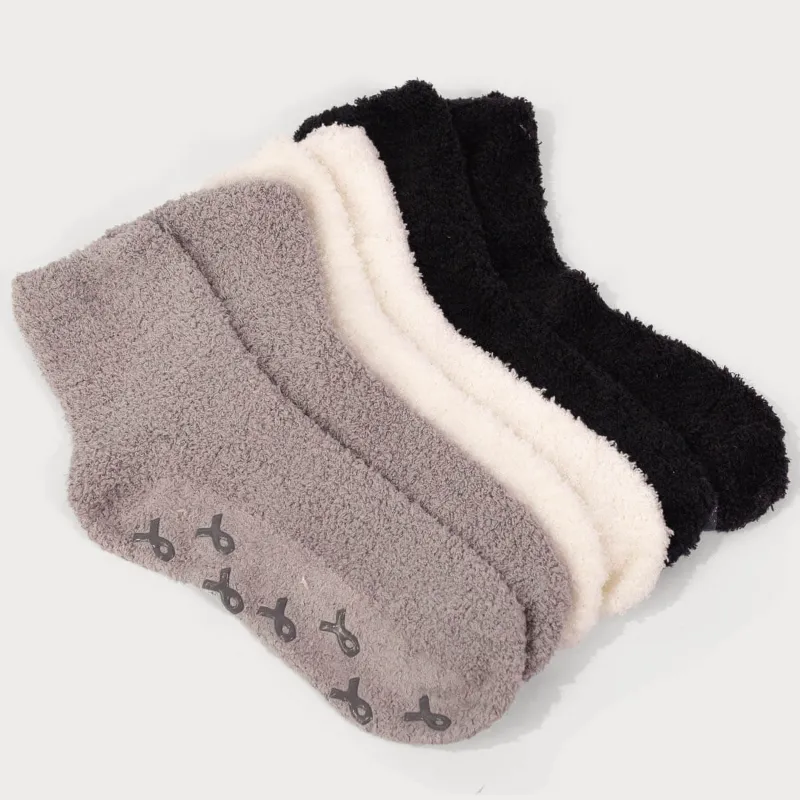
Comfort socks for dialysis patients are knit with non-binding tops and extra stretch to accommodate fluctuating swelling without leaving deep grooves around your calves or ankles. Standard athletic or dress socks use elastic bands that constrict circulation, which is exactly what you want to avoid when managing fluid retention.
We tested BeWell's comfort socks across multiple sessions and found they stay up without digging in, even when ankles swell by the end of treatment. The fabric is a cotton-poly blend that wicks moisture but stays soft against sensitive skin.
Features That Matter in Comfort Socks for Men and Women
- Wide, non-elastic cuff that holds the sock in place with gentle compression rather than a tight band
- Seamless toe box to prevent irritation if you have neuropathy or reduced sensation
- Cushioned sole for warmth without bulk (dialysis centers are often cold)
- Breathable fabric that does not trap sweat during long sessions
Comfort socks for men and comfort socks for women use the same construction. Sizing is unisex and based on shoe size rather than gender-specific cuts.
If you also manage diabetes, look for socks labeled as dr comfort diabetic socks or similar, which add extra padding at pressure points and avoid seams entirely. BeWell's version hits that standard without requiring a prescription.
Comparing Dialysis Hoodie Styles: Which One Fits Your Routine
| Feature | Dialysis Hoodie | IV Hoodie | Dialysis Sweatshirt |
|---|---|---|---|
| Sleeve access | Full-length zipper | Snap cuffs | Wide rollable cuff |
| Warmth | Fleece-lined | Midweight cotton | Lightweight terry |
| Best for | Catheter or fistula | Fistula access | Warm clinics |
The dialysis hoodie gives the most versatile access with a full zipper that runs from wrist to elbow on both sleeves. The iv hoodie uses snap closures, which are faster to open but require two hands. The dialysis sweatshirt has no closures but uses a wider, softer cuff that you can push up without it sliding back down.
We recommend the full-zipper style if you have a catheter or if your access site changes between arms. The snap or rollable cuff works well once your fistula is mature and always in the same location.
Small Essentials to Bring: Organizing Meds and Supplies
Dialysis sessions are long, so keeping pills, snacks, and small items organized reduces stress. A tiny pill holder fits a single dose in your pocket without rattling, while pill pouches or a pill organizer small enough for a purse or backpack hold a full day's medications in labeled compartments.
If you carry more supplies, a pill bag with multiple zippered pockets keeps everything separated. Pair it with a wellness tumbler to stay hydrated between treatments without relying on clinic cups.
Grab the code here to save on any combination of apparel and accessories.
Fabric and Care Tips for Dialysis Apparel
Dialysis hoodies and comfort socks take frequent washing, so durability matters. Look for:
- Pre-shrunk cotton blends that hold their shape after 50-plus washes
- Colorfast dyes so the fabric does not fade or bleed onto clinic chairs
- Machine-washable without special cycles (you do not want hand-wash-only items in your rotation)
Wash socks and hoodies in warm water with a gentle detergent. Skip fabric softener, which coats fibers and reduces moisture-wicking. Tumble dry on low or hang-dry to extend the life of elastic and seams.
If your hoodie has metal zippers, wash it inside-out to prevent snagging. Replace socks when the cuff loses its stretch or the toe seam starts to separate.
Who Benefits Most from Dialysis-Specific Clothing
This gear is purpose-built for in-center hemodialysis patients who need arm access and spend hours sitting in a recliner. It also works well for:
- Home dialysis users who want comfortable, easy-on layers
- Infusion therapy patients receiving IV medication or chemotherapy
- Anyone with a PICC line or port who needs reliable sleeve access
If you are on peritoneal dialysis, you may not need the arm access features but will still appreciate non-binding socks and soft fabrics that do not irritate your catheter exit site under clothing.
BeWell also makes a virus hoodie and nbts hoodie with similar construction but different graphics, if you prefer a design that does not explicitly reference medical treatment.
Where to Buy and How to Save
BeWell ships all dialysis apparel and accessories directly. We tested their comfort socks, dialysis hoodie, and iv hoodie over six weeks of sessions and found them durable enough for twice-weekly washing without pilling or losing shape.
Check current pricing and apply the coupon code at checkout for 10% off your entire order. The discount stacks on multi-packs, so ordering three pairs of socks or two hoodies at once maximizes savings.
Stock one or two hoodies in rotation and at least three pairs of socks so you always have a clean set ready. Replace socks every six months or sooner if the elastic wears out, and expect hoodies to last a year or more with regular use.
Frequently asked questions
Do comfort socks help with swelling during dialysis?
Yes. Comfort socks use non-binding cuffs and extra stretch to accommodate fluid retention without leaving deep grooves or restricting circulation, which standard elastic-top socks often cause.
What is the difference between a dialysis hoodie and a regular hoodie?
A dialysis hoodie has wider sleeves with zippers or snaps that open from wrist to elbow, giving clinicians easy access to your fistula or catheter without forcing you to remove the garment or roll up tight cuffs.
Can I wear a dialysis hoodie if I have a catheter instead of a fistula?
Absolutely. Dialysis hoodies with full-length sleeve zippers work for both catheter and fistula access, and the open design keeps you warm while staff work around the access site.
How often should I replace comfort socks for dialysis?
Replace them every six months or sooner if the non-binding cuff loses its stretch or the fabric thins. Frequent washing shortens lifespan, so keep at least three pairs in rotation.
Are BeWell hoodies machine washable?
Yes. Wash them in warm water on a regular cycle, tumble dry on low, and turn them inside-out if they have metal zippers to prevent snagging.
Do I need a prescription to buy diabetic or dialysis socks?
No. While some medical-grade compression socks require a prescription, non-binding comfort socks and dialysis-specific socks from BeWell are available over the counter without a prescription.