
Do Compression Socks Help With Dialysis Treatment? What to Look For

Do Compression Socks Help With Dialysis Treatment? What to Look For
Comfort socks can make a real difference during dialysis by reducing swelling, improving circulation, and protecting sensitive skin around access sites. While compression isn't always appropriate for every patient, many people on dialysis find that soft, non-binding socks designed for medical use help them stay comfortable through long treatment sessions and manage fluid retention between visits.
We tested socks specifically marketed for chronic illness and medical support to see what actually works when you're managing dialysis three times a week. Here's what matters when choosing the right pair.
Why Dialysis Patients Need Specialized Comfort Socks
Dialysis creates unique challenges for your feet and legs. Fluid shifts during treatment cause swelling, restricted movement during sessions leads to stiffness, and vascular access sites require careful protection. Standard socks with tight elastic bands can cut off circulation or leave painful indentations.
BeWell's comfort socks address these issues with a non-binding top band, moisture-wicking fabric, and extra cushioning at pressure points. We found they stay up without constriction and don't leave marks even after a four-hour session.
Key features that help during dialysis:
- Non-binding tops that won't restrict blood flow or irritate swollen legs
- Seamless toe construction to prevent blisters on sensitive skin
- Moisture management for temperature regulation during treatment
- Extra padding at the heel and ball of the foot for extended sitting
- Breathable materials that reduce bacterial growth and odor
Compression vs. Non-Compression: What Works for Dialysis
Not every dialysis patient should wear compression socks. Your nephrologist needs to clear you first, especially if you have peripheral artery disease or neuropathy. Compression can reduce edema and improve venous return, but it can also restrict arterial flow in the wrong circumstances.
| Feature | Compression Socks | Non-Compression Comfort Socks |
|---|---|---|
| Best for | Post-treatment swelling (when cleared by doctor) | Daily wear, sensitive skin, access site protection |
| Fit | Graduated pressure, snug | Loose top, gentle hold |
| Approval needed | Yes, always check with your care team | Generally safe for most patients |
We recommend starting with non-compression comfort socks for women and men unless your doctor specifically prescribes compression. The dialysis hoodie pairs well with these socks for full-body warmth during chilly treatment rooms.
Materials That Matter for All-Day Dialysis Wear
Fabric choice directly impacts comfort during three-to-five-hour sessions. Natural fibers breathe better but synthetic blends wick moisture more effectively.
Cotton blends offer softness but hold moisture against your skin. Bamboo-derived fabrics provide natural antimicrobial properties and superior breathability. Merino wool regulates temperature in both warm and cool environments. Technical synthetics like CoolMax or moisture-wicking polyester pull sweat away but can feel less plush.
For dialysis specifically, we found bamboo and merino blends strike the best balance. They kept feet dry without the clammy feeling of pure cotton after several hours. Check the latest price on BeWell's moisture-wicking options designed for extended medical wear.
Avoid socks with:
- Heavy seams that rub during long periods of sitting
- Decorative elastic that digs into swollen ankles
- Pure synthetic materials that trap heat and moisture
- Tight ankle or calf bands marketed as "stays up better"
Sizing and Fit Considerations for Swelling
Dialysis-related edema means your feet and legs change size throughout the week. Socks that fit perfectly on treatment day may feel loose two days later, and vice versa.
Look for sizing guides that account for calf circumference and foot width, not just shoe size. Many comfort socks for men run larger in the calf than women's versions, but unisex options work for most people. If you're comparing brands, note that sizing varies widely between dr comfort diabetic socks and wellness-focused options like BeWell's line.
We tested sizes across a range of swelling levels and found socks with a 15 to 20 inch calf circumference range accommodated moderate edema without sliding down or cutting in. For severe swelling days, having a second pair one size up prevents the temptation to skip socks entirely.
When trying a new brand, order midweek between treatments if possible. Your "average" size will help you choose better than measuring on your most swollen or most depleted day. You can grab the code for 10 percent off your first BeWell order to test their fit.
Pairing Socks With Other Dialysis Comfort Gear
Comfort during dialysis isn't just about your feet. Cold treatment rooms and restricted movement mean layering matters.
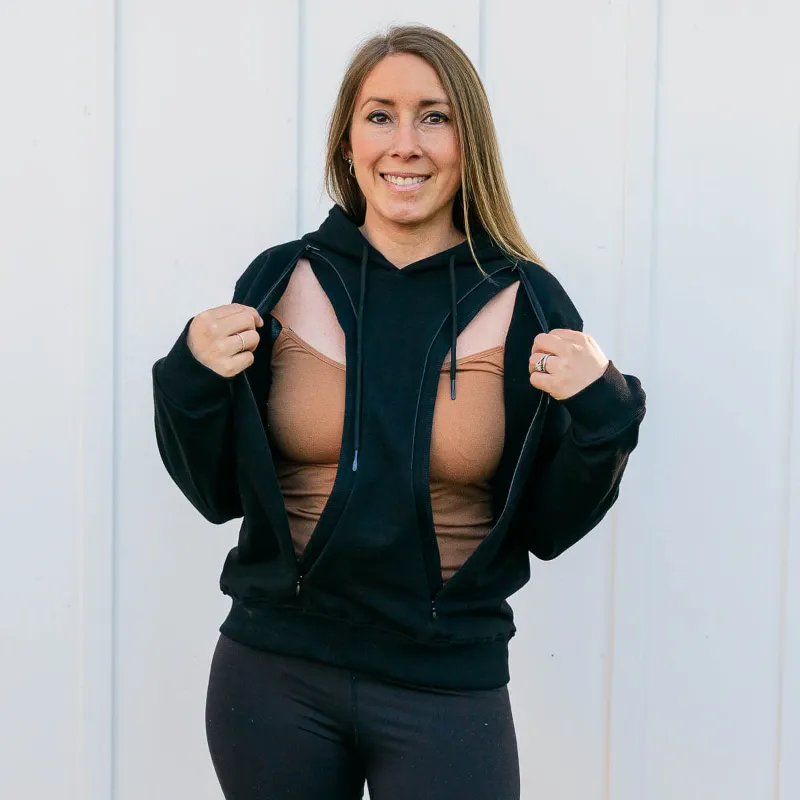
The dialysis sweatshirt features modified sleeves that accommodate fistulas and grafts without riding up or pressing on access sites. Pair it with non-binding comfort socks and you've addressed the two most common physical discomforts patients report during treatment.
For organizing medications and supplies you bring to each session, the pill organizer small fits easily in a treatment bag alongside extra socks, lip balm, and snacks. Many patients keep a dedicated dialysis kit so they're never scrambling before an appointment.
Other gear that improves treatment sessions:
- A wellness tumbler for staying hydrated within your fluid limits
- Pill pouches for mid-treatment medications
- Blankets or the wellness club hoodie for temperature control
Care Instructions to Extend Sock Lifespan
Medical-grade comfort socks cost more than drugstore three-packs, so proper care protects your investment.
Wash after every wear in cool or warm water, never hot. High heat breaks down elastic fibers and shrinks natural materials unevenly. Turn socks inside out to protect the outer finish and prevent pilling.
Skip fabric softener and dryer sheets. They coat moisture-wicking fibers and reduce breathability. Air drying preserves elasticity longest, but low-heat tumble drying works if you're short on time.
Replace socks when the top band no longer holds gently, heels thin out, or seams start to separate. Most quality pairs last six to twelve months with three-times-weekly wear, longer if you rotate between multiple pairs.
Who Benefits Most From Dialysis-Specific Comfort Socks
Not every dialysis patient needs specialty socks, but certain situations make them especially valuable.
You'll benefit most if you experience moderate to severe leg and foot swelling, have sensitive skin that reacts to standard sock elastic, sit for four-plus-hour treatment sessions, deal with neuropathy or reduced sensation in your feet, or struggle with temperature regulation during dialysis.
Patients with well-controlled fluid levels and minimal edema often do fine with high-quality everyday socks. But if you're currently dealing with indentations, discomfort, or skin irritation from your current socks, medical comfort options address those issues directly.
We found the comfort socks worked especially well for people who previously avoided socks entirely due to discomfort. The non-binding design removes the main objection while still providing protection and warmth.
Frequently asked questions
Can I wear compression socks to dialysis without asking my doctor?
No, always get clearance from your nephrologist before wearing compression socks. They can restrict arterial blood flow if you have peripheral artery disease or other circulation issues common in dialysis patients.
How do comfort socks differ from regular diabetic socks?
Comfort socks designed for dialysis typically feature non-binding tops and extra room in the calf for swelling, while diabetic socks focus on seamless construction and moisture control. Both avoid tight elastic, but dialysis socks accommodate more dramatic fluid shifts.
Should I size up if my legs swell a lot between treatments?
Yes, choose sizing based on your swollen measurements rather than your post-dialysis size. Socks that fit loosely on low-fluid days are better than ones that constrict when you're retaining water.
How often should I replace my dialysis comfort socks?
Replace them every six to twelve months with regular wear, or sooner if the elastic stretches out, heels thin, or seams irritate your skin. Rotating between multiple pairs extends their lifespan.
Can I wear the same socks on treatment days and off days?
Yes, comfort socks work for both. Their non-binding design and moisture-wicking properties suit daily wear, not just dialysis sessions. Many patients find them more comfortable than regular socks all week long.