
Common Horow Toilet Problems and How to Fix Them

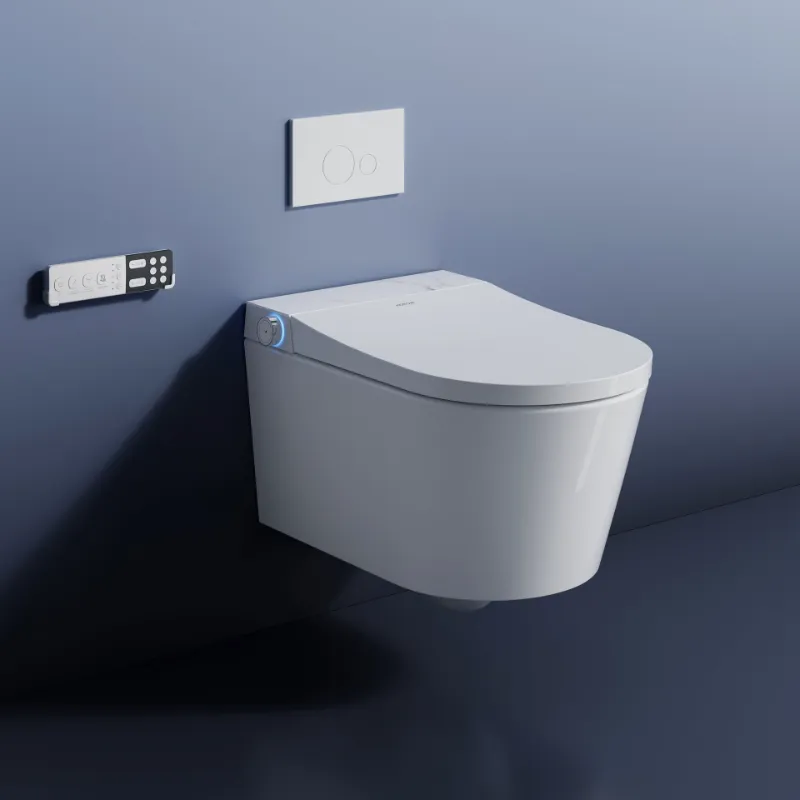
Most Horow smart toilet problems are simple to fix yourself: they usually trace back to power supply, sensor placement, water pressure, or clogged filters rather than anything seriously wrong with the unit. In this guide, we walk through the issues we see most often with the horow smart toilet range, including the T38 and T30, and show you exactly how to solve each one before you think about calling a plumber.
We have tested and lived with these models, so everything below comes from hands-on experience. If your issue turns out to be a part you need to replace, it is worth checking the current offer on the Horow discount code page first, because a code can take the sting out of replacement parts or an upgrade.
Horow Smart Toilet Won't Power On
This is the number one complaint, and it is almost never a dead unit.
- Check the outlet first. Plug another device into the same socket to confirm power is reaching it. A tripped GFCI is a frequent culprit in bathrooms.
- Inspect the power cord along its full length for kinks or damage, especially if furniture has been moved near the unit.
- Use the manual reset. Some models have a reset button or a breaker switch on the side of the unit. Hold or flip it, wait 30 seconds, and restore power.
- Check the seat sensor. Many smart functions only activate when someone is seated, so an apparently "dead" unit may just be in standby.
If the unit still shows no life after these checks, contact Horow support with your model and purchase details. Units like the horow t38 come with warranty coverage, so keep your receipt.
Weak Flush or Incomplete Rinse
A weak flush on a smart toilet usually means water supply or pressure, not a broken pump.
- Confirm the shut-off valve is fully open. Partially closed valves are surprisingly common after cleaning or renovation work.
- Check household water pressure. Smart toilets need adequate incoming pressure to flush and operate the wash functions properly. If multiple fixtures run weakly at once, the problem is your home's supply, not the toilet.
- Look for kinks in the supply line behind the unit.
- Run a manual flush if your model supports it, to bypass electronics and confirm the bowl itself drains correctly.
If the bowl drains slowly even on a manual flush, you have a clog in the trap or drain line rather than a Horow fault. A standard toilet auger sorts that out.
Bidet Spray Is Weak or Not Working
The wash function depends on a small inlet filter that collects debris from your water line.
- Clean the inlet filter. Turn off the water, unscrew the supply connection, and remove the small mesh filter. Rinse it under a tap and reinstall. Doing this every few months prevents most spray problems.
- Check nozzle position and cleanliness. Retract and extend the nozzle (most models have a cleaning cycle) and wipe it gently with a soft cloth. Never scrub nozzles with abrasive pads.
- Verify water temperature settings on the panel. A cold-only spray often means the seat-side settings were reset after a power cut.
Sensor Problems: Random Flushing or No Auto Flush
Motion sensors are the most misunderstood part of any smart toilet, including the horow t30.
- Wrong sensor position. The sensor expects you at a specific distance. Standing too close or too far causes missed or phantom flushes. Check your manual for the exact range and test from there.
- Reflective surfaces confuse it. Glossy tiles, mirrors opposite the bowl, or even a metal bin near the base can trigger false readings. Repositioning bathroom accessories often fixes phantom flushing entirely.
- Wipe the sensor window. Dust and cleaning product residue on the sensor lens degrades detection. A soft dry cloth is all it needs.
- Disable auto flush via the control panel if it keeps misfiring, and use the manual button while you troubleshoot.
Seat Heater or Dryer Not Working
- Check the seat temperature setting first. It sounds obvious, but a power interruption resets many units to a low or off setting.
- Give it time. Heated seats and warm-air dryers take a few minutes to reach temperature after standby.
- Reduce load on the circuit. If the toilet shares an outlet with a heater or dryer, it may not draw enough power for heating functions. Give the unit its own socket.
- Check energy-saving mode. Many models drop seat temperature overnight by default. If mornings feel cold, that is why, and it is adjustable in the settings menu.
For context on how well these features perform day to day, this independent Horow review at Bob Vila covers real-world use of the wash, dry, and heating functions in detail.
Water Leaking Around the Base or Supply
Water where it should not be is the one problem you should never ignore.
- Trace the source. Dry the area completely, then watch where new moisture appears. Base leaks point to the wax ring or seal; back-of-unit leaks point to the supply connection.
- Hand-tighten the supply fitting. Overtightening cracks plastic nuts, so if a fitting drips, loosen it, check the rubber washer is seated, and hand-tighten plus a quarter turn only.
- Condensation is not a leak. In humid bathrooms, the tank and bowl can sweat. Wiping the exterior and improving ventilation solves it.
- Base leaks need the unit pulled and resealed. That means a new wax ring or gasket, which is a manageable DIY job if you are comfortable lifting the unit, otherwise a plumber visit.
Which Model Are You Troubleshooting?
Fixes vary slightly by model, so it helps to know what you are working with:
| Model | Key features | Best for |
|---|---|---|
| Horow T38 | Auto flush, heated seat, warm water wash | Full smart experience in a standard footprint |
| Horow T30 | Compact smart design, core wash functions | Smaller bathrooms |
| Horow Smart Toilet range | Bidet functions, dryer, sensor operation | Upgrading from a standard toilet |
If you are comparing models before buying, horow smart toilet reviews and our own testing suggest checking available clearance behind and above the unit first, because installation space affects which sensor and lid features work well. If a repair is not worth it on an older unit, the current 10% offer via the discount page makes upgrading more reasonable, and pairing a new unit with matching luxury bathroom elements is an easy way to finish the room.
Installation Mistakes That Cause Problems Later
Many "faults" on a new Horow smart toilet installation come from the setup, not the toilet:
- Insufficient clearance. Sensors and auto-open lids need the space specified in the manual. Tight placements cause constant false triggers.
- Shared circuits. Smart toilets should have a dedicated outlet. Sharing one causes nuisance tripping.
- Skipping the inlet filter check. New plumbing often sheds debris. Flush the line before connecting, and check the filter after the first week.
- No shut-off access. Make sure the angle valve is reachable so you can isolate the unit for maintenance.
One last tip: if you are still deciding between models and want current pricing rather than guessing, check the latest price and code here, since offers change regularly and we keep that page updated.
Frequently asked questions
Why does my Horow smart toilet keep flushing on its own?
Phantom flushing is almost always a sensor issue. Reflective surfaces like glossy tiles, mirrors, or metal bins near the base can trigger the motion sensor, and dust on the sensor lens also causes false readings. Clean the sensor window and reposition nearby accessories before assuming a fault.
How do I reset my Horow T38?
Switch off power at the outlet, wait about 30 seconds, then switch it back on. Some units also have a reset button or breaker on the side of the body. If the unit still will not respond, contact Horow support with your model number and purchase details for warranty help.
Why is the bidet spray on my Horow smart toilet so weak?
The most common cause is a clogged inlet filter in the water supply connection. Turn off the water, remove the small mesh filter, rinse it under a tap, and reinstall. Kinked supply lines and partially closed shut-off valves cause the same symptom.
Does the Horow T30 need a dedicated power outlet?
Yes, it is strongly recommended. Sharing a circuit with other appliances can cause nuisance tripping and prevent heating functions like the warm seat and dryer from working properly. Give the unit its own socket with GFCI protection as required in bathrooms.
Is water on the floor around my Horow smart toilet a leak?
Not always. In humid bathrooms the tank and bowl can sweat, which looks like a leak. Dry the area completely and watch where new moisture forms. Moisture at the base suggests the wax ring or seal needs replacing, while drips at the back point to the supply connection.
How often should I clean the nozzles on my Horow smart toilet?
Run the nozzle cleaning cycle and wipe the nozzles with a soft cloth every few weeks, and check the inlet filter every few months. Avoid abrasive pads or harsh chemicals on the nozzles, as they can damage the surface.