
The Complete Guide to Buying Gluten-Free Buckwheat Bread

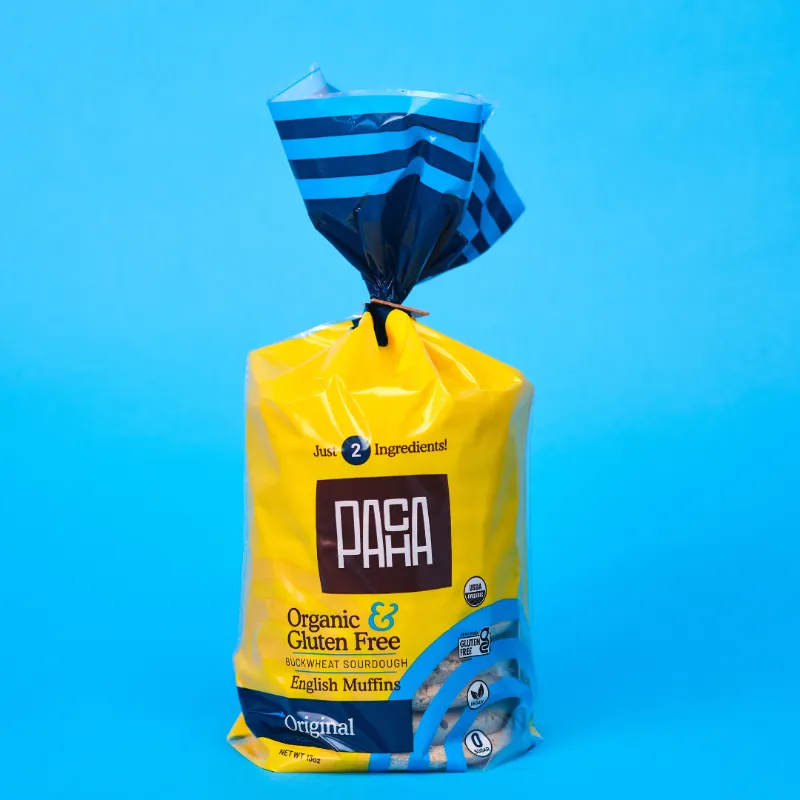
Gluten-free buckwheat bread delivers a nutritious, wheat-free option packed with protein, fiber, and a distinct earthy flavor that works beautifully for sandwiches, toast, and everyday meals. Despite its name, buckwheat is not wheat at all and is naturally gluten-free, making it an excellent choice for people with celiac disease or gluten sensitivity.
We've tested dozens of gluten-free loaves to help you find buckwheat bread that actually tastes good, holds together, and fits your dietary needs. This guide walks you through what to look for, how buckwheat compares to other gluten-free grains, and where to find the best options.
Why Choose Gluten-Free Buckwheat Bread
Buckwheat stands out among gluten-free grains because it brings a complete amino acid profile, meaning it contains all nine essential amino acids your body needs. Most gluten-free breads rely on rice flour or tapioca starch, which offer fewer nutrients and a gummy texture.
Pacha buckwheat bread uses this ancient grain as a foundation, delivering a hearty slice that toasts well and holds up to spreads without crumbling. The grain itself is actually a seed related to rhubarb, so it's wheat free by nature and safe for gluten-free diets when processed in a certified facility.
Key benefits of buckwheat bread include:
- High in protein: 6 grams per slice compared to 2-3 grams in most gluten-free breads
- Rich in fiber: supports digestion and keeps you full longer
- Complex flavor: nutty, slightly earthy taste that pairs well with savory and sweet toppings
- Stable blood sugar: lower glycemic index than white rice or corn-based breads
According to Beyond Celiac, buckwheat is safe for people with celiac disease as long as it's not cross-contaminated during processing. Always look for certified gluten-free labels to ensure the product meets strict standards.
What to Look for When Buying
Not all gluten-free buckwheat products are created equal. Here's what separates a quality loaf from a dense, crumbly disappointment.
Certified gluten-free buckwheat flour: The first ingredient should be buckwheat flour with a certification mark on the package. Cross-contamination happens easily in mills that also process wheat, so certification matters.
Short ingredient list: The best breads combine buckwheat with a few simple binders like psyllium husk, flaxseed, or eggs. Avoid loaves loaded with xanthan gum, modified starches, and unpronounceable additives.
Texture and structure: Buckwheat bread should feel slightly dense but springy, not crumbly or gummy. Check reviews or grab the code to try a sample loaf before buying in bulk.
Freshness and storage: Many artisan buckwheat breads arrive frozen or refrigerated because they skip the preservatives found in shelf-stable loaves. Plan to freeze extras if you order online.
Sprouted options: Some brands sprout their grains before milling, which increases nutrient availability. If you're already a fan of ezekiel bread sprouted, look for buckwheat versions that use the same process.
Gluten-Free Buckwheat vs Other Options
How does buckwheat stack up against other popular gluten-free bread choices? We tested four common types side by side.
| Bread Type | Protein per Slice | Texture | Best For |
|---|---|---|---|
| Buckwheat | 6g | Dense, hearty | Sandwiches, avocado toast |
| Rice-based | 2g | Light, airy | French toast, lighter meals |
| Almond flour | 4g | Crumbly, moist | Low-carb diets, snacking |
| Oat-based | 3g | Soft, mild | Kids, picky eaters |
Gluten-free buckwheat wins on nutrition, but rice-based pacha bread offers a milder flavor if you're transitioning from conventional wheat bread. For gut health, low fodmap bread varieties use certified ingredients that won't trigger digestive discomfort.
If you're exploring gluten free buckwheat flour for home baking, buckwheat works beautifully in pancakes, muffins, and quick breads. This buckwheat pancake recipe shows how versatile the flour is beyond loaves.
How to Store and Serve Buckwheat Bread
Buckwheat bread has a shorter shelf life than preservative-heavy supermarket loaves, so proper storage keeps it fresh and prevents waste.
At room temperature: Keep the loaf in its original bag or an airtight container for up to 3 days. Any longer and you risk mold, especially in humid climates.
In the refrigerator: Extend freshness to 7 days by refrigerating, but know that cold storage can dry out the crumb. Toast slices before eating to restore moisture and improve texture.
In the freezer: Slice the entire loaf before freezing, then pull out individual slices as needed. Frozen buckwheat bread lasts 3 months and toasts directly from frozen in about 4 minutes.
Toasting tips: Buckwheat bread shines when toasted. Use a medium-high setting to crisp the exterior while keeping the center tender. Top with nut butter, avocado, smoked salmon, or check the latest price on specialty spreads that complement the nutty flavor.
For breakfast variety, pacha english muffins and organic english muffins offer the same hearty texture in a smaller format that's perfect for egg sandwiches or mini pizzas.
Who Should Choose Buckwheat Bread
Buckwheat bread isn't just for people avoiding gluten. Here's who benefits most from adding it to their routine.
People with celiac disease or gluten sensitivity: Buckwheat is wheat free and safe when certified, making it a reliable staple. Texanerin's guide explains how to verify products meet safety standards.
Athletes and active individuals: The high protein content and complex carbohydrates support muscle recovery and sustained energy without the crash that comes from refined flour.
Anyone managing blood sugar: Buckwheat has a lower glycemic index than white bread, so it won't spike glucose levels as quickly. Pair it with protein and healthy fats for balanced meals.
Adventurous eaters: If you're bored with bland gluten-free options, buckwheat's bold, earthy flavor adds depth to sandwiches and toast. Young kobras and pacha tarot specialty loaves take it even further with seeds, herbs, and ancient grains.
Home bakers: Certified gluten free buckwheat flour lets you experiment with gluten free buckwheat recipes beyond bread, from noodles to crackers to baked goods.
Where to Buy Quality Buckwheat Bread
Finding fresh, well-made buckwheat bread takes some hunting, but a few key sources deliver consistent quality.
Online specialty bakeries: Pacha ships frozen loaves nationwide, preserving freshness without preservatives. Their buckwheat line includes classic loaves, English muffins, and seeded variations.
Local health food stores: Natural grocers and co-ops often carry regional bakeries that produce small-batch gluten-free breads. Ask staff which brands arrive fresh and which sit on the shelf for weeks.
Farmers markets: Artisan bakers sell directly to customers, so you can ask about ingredients, cross-contamination protocols, and baking schedules. Many offer sample slices before you commit.
Gluten-free subscription boxes: Services that curate gluten-free products sometimes feature buckwheat bread, letting you try multiple brands in one shipment.
For the best value, visit our live code page to access current discounts on Pacha's full lineup, including organic rye bread if you're looking to mix rye and buckwheat into your rotation.
Final Thoughts on Gluten-Free Buckwheat
Buckwheat bread transforms the gluten-free experience from tolerating bland substitutes to genuinely enjoying nutritious, flavorful loaves. Its complete protein, robust texture, and versatility make it worth seeking out, whether you're managing celiac disease or simply exploring better bread options.
Start with a single loaf to gauge the flavor and texture, then stock your freezer once you find a brand you love. Buckwheat's dense crumb and nutty taste take a few slices to appreciate, but most people who make the switch don't go back to rice-based breads.
Look for certified labels, prioritize short ingredient lists, and don't hesitate to toast every slice. Your sandwiches and morning toast deserve better than cardboard, and gluten-free buckwheat delivers.
Frequently asked questions
Is buckwheat actually gluten-free or does it contain wheat?
Buckwheat is naturally gluten-free and contains no wheat. Despite the name, buckwheat is a seed related to rhubarb, not a grain. Always choose certified gluten-free products to avoid cross-contamination during processing.
How does gluten-free buckwheat bread taste compared to regular bread?
Buckwheat bread has a nutty, earthy flavor that's more robust than white bread. The texture is denser and heartier, similar to whole grain bread. Toasting improves both flavor and texture significantly.
Can I freeze buckwheat bread without ruining the texture?
Yes, buckwheat bread freezes very well. Slice the loaf before freezing so you can pull out individual slices as needed. Toast directly from frozen to restore moisture and crispness.
Where can I buy certified gluten-free buckwheat flour for baking?
Health food stores, natural grocers, and online retailers carry certified gluten-free buckwheat flour. Look for certification marks on the package to ensure the flour wasn't processed in facilities that handle wheat.
Is pacha buckwheat bread good for people with celiac disease?
Yes, Pacha buckwheat bread is made with certified gluten-free ingredients and processed to prevent cross-contamination, making it safe for people with celiac disease. Always verify the certification label on any product you purchase.
How long does buckwheat bread stay fresh after opening?
Buckwheat bread lasts 3 days at room temperature in an airtight container, up to 7 days refrigerated, or 3 months frozen. Because most buckwheat breads skip preservatives, freezing is the best option for long-term storage.