
Low FODMAP Bread vs Regular Bread: What's the Difference?

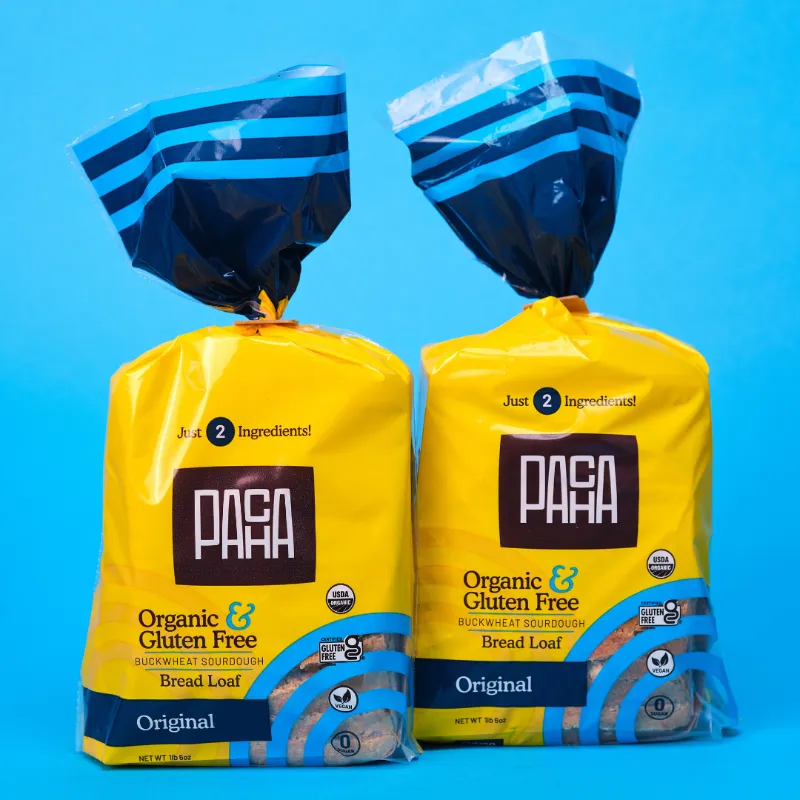
Low fodmap bread replaces high-FODMAP ingredients like wheat, honey, and inulin with gut-friendly alternatives such as spelt sourdough, sprouted grains, or gluten-free bases. Regular bread typically contains wheat flour, added sugars, and fiber sources that can trigger bloating, gas, and discomfort in people with IBS or FODMAP sensitivities.
We've tested dozens of low-FODMAP options to understand what actually makes them different and which brands deliver on both digestion and taste. Here's what separates a truly low-FODMAP loaf from the standard supermarket shelf.
What Makes Low FODMAP Bread Different
The core difference lies in the carbohydrate structure. FODMAPs (fermentable oligosaccharides, disaccharides, monosaccharides, and polyols) are short-chain carbs that some people struggle to digest. When these carbs reach the colon undigested, gut bacteria ferment them, producing gas and drawing water into the intestine.
Regular bread is loaded with high-FODMAP triggers:
- Wheat flour contains fructans, a type of oligosaccharide
- Honey, agave, and high-fructose corn syrup add excess fructose
- Inulin and chicory root fiber are common FODMAP-rich additives
- Apple or pear juice concentrate used for sweetness
- Garlic or onion powder in savory varieties
Low-FODMAP versions swap these out. Pacha bread uses certified low-FODMAP grains and natural fermentation to break down problem carbs. Ezekiel bread sprouted relies on sprouted grains, which reduce FODMAP content through the germination process. Some brands use gluten-free buckwheat or rice flour as a base, eliminating wheat entirely.
The Monash FODMAP-certified spelt sourdough process shows that extended fermentation can lower fructan levels below the threshold, even in spelt.
Ingredients to Look for (and Avoid)
Scanning labels is non-negotiable. Even "healthy" or "organic" labels don't guarantee low-FODMAP status.
Safe ingredients:
- Spelt sourdough (fermented 24+ hours)
- Oat flour (in controlled portions)
- Rice flour, tapioca starch, potato starch
- Sprouted grains (barley, quinoa, millet in small amounts)
- Maple syrup, glucose syrup (not high-fructose)
- Psyllium husk, flaxseed
Red flags:
- Wheat, rye, or barley flour (unless sprouted or fermented)
- Honey, agave nectar, molasses
- Chicory root, inulin, FOS (fructooligosaccharides)
- Apple juice concentrate, pear juice
- Garlic powder, onion powder
Organic rye bread can work if it's a sourdough with a long fermentation window. Traditional rye is high-FODMAP, but the bacterial breakdown during sourdough preparation neutralizes much of the fructan load. Portion size still matters: one or two slices is typically the safe zone.
For a detailed breakdown of safe brands and label-reading tips, this IBS dietitian guide covers certified options and ingredient deep-dives.
Best Low FODMAP Bread Brands We've Tested
We evaluated texture, taste, ingredient transparency, and real-world digestive tolerance. Here's how the top options compare:
| Brand | Base Ingredient | Certification | Best For |
|---|---|---|---|
| Pacha bread | Spelt sourdough | Monash low-FODMAP | Everyday toast, sandwiches |
| Ezekiel bread sprouted | Sprouted grains | Not certified, widely tolerated | Nutrient density, light toasting |
| Gluten-free buckwheat | Buckwheat, rice | Gluten-free, low-FODMAP friendly | Celiac + IBS combo |
| Pacha buckwheat bread | Buckwheat blend | Monash low-FODMAP | Grain-free preference |
Pacha english muffins and organic english muffins offer a breakfast-friendly alternative with the same careful ingredient sourcing. If you want something more adventurous, young kobras and pacha tarot bring specialty grain blends that work within FODMAP limits.
You can grab the current discount code for 20% off any of these options.
Is Sourdough Bread Low FODMAP?
It depends entirely on fermentation time and flour type. True sourdough undergoes bacterial fermentation that breaks down fructans, but most supermarket "sourdough" is quick-risen with added yeast and hasn't fermented long enough.
Look for:
- Fermentation time of 24 hours minimum (ask the bakery or check the label)
- Spelt or ancient grain base rather than modern wheat
- No added wheat gluten to boost protein (this re-introduces FODMAPs)
Monash University tested several sourdough varieties and found that spelt sourdough with extended fermentation tested low-FODMAP at two-slice servings. White wheat sourdough with shorter fermentation still triggered symptoms in many people.
If you're buying from a local bakery, ask about their starter age, rise time, and flour source. Many artisan bakers now offer low-FODMAP-friendly loaves on request.
Low FODMAP Bread Recipe Basics
Baking at home gives you full control over ingredients and fermentation. A basic low-FODMAP loaf uses:
- 2 cups gluten-free flour blend (rice, tapioca, potato starch)
- 1 tablespoon psyllium husk powder (binding)
- 1 teaspoon salt
- 1 tablespoon maple syrup (not honey)
- 2 teaspoons active dry yeast
- 1 ¼ cups warm water
- 2 tablespoons olive oil
Mix dry ingredients, proof yeast in warm water with maple syrup, combine, knead briefly, and let rise for 60 minutes. Bake at 375°F for 35 to 40 minutes until the internal temperature hits 200°F.
For a sprouted version, soak quinoa or millet for 12 hours, sprout for 24 hours, then blend into a dough base with oat flour and baking powder. The sprouting process reduces FODMAP content naturally.
This registered dietitian's recipe guide includes tested ratios for sandwich loaves, rolls, and flatbreads.
Where to Buy Low FODMAP Bread
Availability varies by region, but these are your best bets:
Specialty stores and online:
- Pacha (direct from their site with our code)
- Whole Foods, Sprouts (freezer section for Ezekiel and gluten-free)
- Amazon, Thrive Market (shelf-stable certified options)
Grocery store finds:
Some standard grocers now stock low-FODMAP or certified gluten-free loaves in the natural foods aisle. Brands like Schär, Canyon Bakehouse, and Udi's offer gluten-free options that work for many FODMAP-sensitive people, though not all are Monash-certified.
Local bakeries:
Ask about sourdough fermentation times and ingredient lists. Many artisan bakers will accommodate special requests or have naturally low-FODMAP options without realizing it.
If you're searching for "low fodmap bread grocery store" options near you, call ahead and ask if they carry spelt sourdough or certified gluten-free loaves. Reddit threads on low-FODMAP eating often share regional finds and hidden gems in standard chains.
Who Should Choose Low FODMAP Bread
This swap makes sense if you experience:
- Diagnosed IBS (especially IBS-D or IBS-M)
- Bloating or gas within 2 to 4 hours of eating bread
- Abdominal pain triggered by wheat, garlic, or sweetened baked goods
- SIBO (small intestinal bacterial overgrowth)
Low-FODMAP eating is a diagnostic and elimination tool, not a forever diet. Work with a registered dietitian to test your tolerance, reintroduce foods systematically, and identify your specific triggers. Some people tolerate small amounts of regular bread once gut health improves; others need to stick with low-FODMAP or gluten-free varieties long-term.
If you're ready to test the difference, start with a certified option like low fodmap bread and track symptoms for three days. Compare that to your usual loaf and note any changes in digestion, energy, and comfort.
We update our testing results and check the latest pricing monthly to keep this guide current.
Frequently asked questions
What is low fodmap bread made of?
Low fodmap bread is typically made from spelt sourdough with extended fermentation, sprouted grains like quinoa or millet, or gluten-free flours such as rice, buckwheat, and tapioca. These bases avoid high-FODMAP wheat and fructan-heavy ingredients.
Is sourdough bread low fodmap?
Sourdough can be low fodmap if it's made with spelt or ancient grains and fermented for at least 24 hours. Most supermarket sourdough is quick-risen and still contains high levels of fructans, so check fermentation time and flour type.
Can I eat regular bread on a low FODMAP diet?
Regular wheat bread is high in fructans and not recommended during the elimination phase of a low FODMAP diet. Once you've identified your triggers, you may tolerate small portions of sourdough or sprouted bread, but certified low-FODMAP options are safer during testing.
Where can I buy low fodmap bread brands?
You can buy low fodmap bread brands online from Pacha, at Whole Foods or Sprouts in the freezer section, or on Amazon. Some local bakeries also make spelt sourdough with long fermentation times that qualify as low-FODMAP.
Does sprouted bread work for IBS?
Sprouted bread like Ezekiel reduces FODMAP content through the germination process and is widely tolerated by people with IBS. It's not Monash-certified, but many find it gentler than regular wheat bread in moderate portions.
How much low fodmap bread can I eat per day?
Monash University suggests up to two slices of certified low-FODMAP bread per sitting as a safe serving. Individual tolerance varies, so start with one slice and monitor symptoms before increasing portion size.