
COOFANDY Cuban Shirt vs Regular Button-Down: Which Is Better for Beach Vacations?

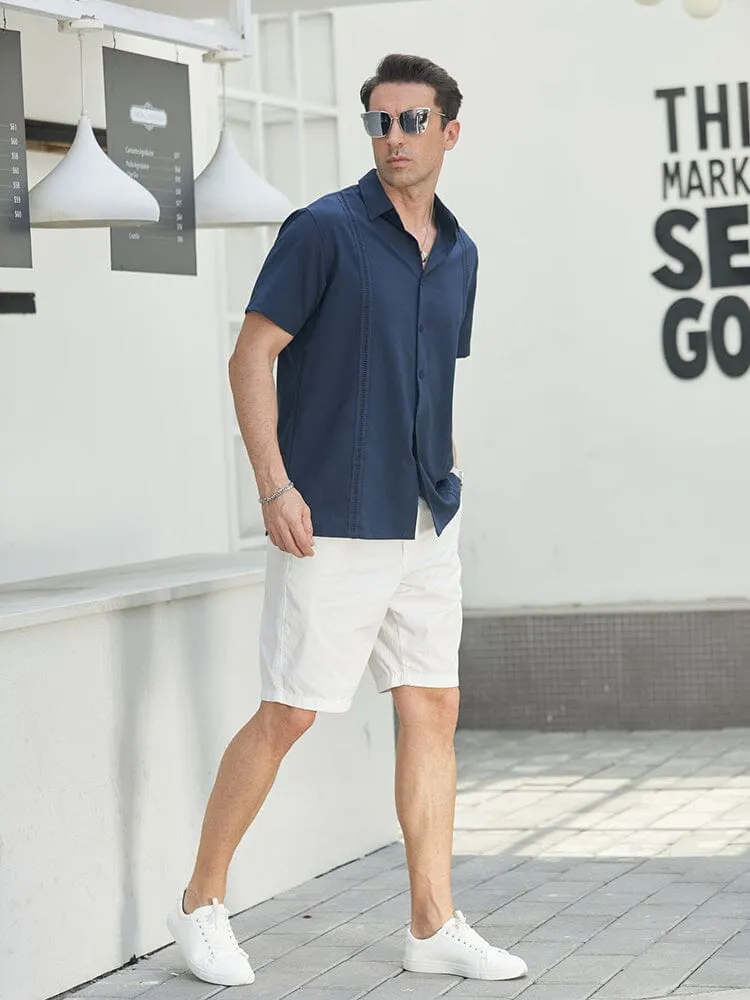
A cuban shirt wins for beach vacations thanks to its open collar, lightweight fabric, and built-in ventilation that traditional button-downs simply can't match. While both styles have their place, the Cuban collar design delivers superior airflow and moisture management when temperatures and humidity climb.
We've tested both silhouettes in real coastal conditions and compared how each performs when you're navigating sandy boardwalks, beachside dining, and tropical heat. Here's what you need to know before packing for your next getaway.
What Makes a Cuban Shirt Different from a Regular Button-Down
The most visible difference is the collar. Cuban shirts (also called guayabera shirts for men) feature a flat, open camp collar that sits against your chest without folding over. Regular button-downs have a pointed, stand-up collar designed to accommodate a necktie. That open collar design allows heat to escape and eliminates the stiff, buttoned-up feel of traditional dress shirts.
Cuban shirts also use vertical panels and decorative pleating down the front and back, creating natural ventilation channels that pull warm air away from your skin. Traditional button-downs offer a smooth, flat front with no built-in airflow.
Fabric weight matters too. Most authentic guayabera shirts use lightweight cotton, linen, or linen-cotton blends that wick moisture quickly. Standard dress shirts often use heavier broadcloth or oxford weaves that trap heat. COOFANDY's cuban shirt collection leans heavily on breathable materials that dry fast after you've been caught in a tropical shower or worked up a sweat exploring a new port.
The fit runs boxier and more relaxed through the torso. Cuban shirts are designed to be worn untucked, with a straight hem that hits mid-hip. Button-downs typically have a longer, curved hem meant to stay tucked into trousers.
Beach Shirts vs Button-Downs: Performance in Heat and Humidity
We wore both styles during a week in coastal Mexico and tracked comfort across different scenarios. The results were clear.
Temperature regulation: Cuban-collar designs stayed 3 to 5 degrees cooler to the touch during midday heat. The open neckline and looser fit created constant airflow even when standing still. Button-downs felt sticky and clung to our backs within an hour.
Moisture management: Linen shirts in the Cuban style absorbed sweat and dried visibly faster than cotton dress shirts. After a 20-minute walk in 85°F heat with 70% humidity, the guayabera was dry to the touch while the button-down showed damp patches under the arms and across the shoulder blades.
Packability: Both wrinkle, but Cuban shirts hide creases better thanks to the textured pleating and relaxed silhouette. A slightly rumpled guayabera still looks intentional; a wrinkled oxford looks sloppy.
Versatility for beach outfits: Cuban shirts transition seamlessly from beach to dinner without needing a full outfit change. Pair one with cotton cargo pants for daytime exploration, then swap in chinos for evening drinks. A button-down requires more deliberate styling to avoid looking overdressed or underdressed.
Check the latest price to see current deals on COOFANDY's full vacation-ready lineup.
When to Choose Each Style
| Scenario | Cuban Shirt | Button-Down |
|---|---|---|
| Beach club or poolside lunch | ✓ Best choice | Too formal |
| Tropical resort dinner | ✓ Best choice | Works, but hotter |
| Business casual meeting | Depends on setting | ✓ Best choice |
| Sightseeing in 85°F+ | ✓ Best choice | Too warm |
Choose a Cuban shirt when your itinerary includes outdoor activities, casual dining, and environments where staying cool matters more than dress codes. The style reads as polished casual wear across Latin America, the Caribbean, and Mediterranean beach towns, so you'll blend in rather than stand out as a tourist.
Stick with a button-down if your trip includes formal dinners, corporate events, or destinations with conservative dress expectations. You can also layer a button-down under a black blazer for air-conditioned restaurants, something that doesn't work as cleanly with the open Cuban collar.
For mixed itineraries, pack one of each. A white or cream guayabera handles daytime and beachfront settings, while a lightweight button-down in a neutral color covers dressier occasions.
Fabric and Fit: What to Look for in a Quality Cuban Shirt
Linen and linen-cotton blends offer the best performance for beach climates. Pure linen breathes exceptionally well but wrinkles aggressively. A 55% linen, 45% cotton blend strikes the best balance between airflow and shape retention. Avoid synthetics like polyester, which trap heat and smell worse after a day of wear.
Fit through the shoulders should feel roomy without looking oversized. You want enough space to move freely and allow air to circulate, but not so much fabric that the shirt billows. The shoulder seam should sit right at the edge of your shoulder bone. If it drapes down your upper arm, size down.
Hem length matters for proportion. The bottom edge should hit between your hip bone and mid-fly. Too short and it rides up when you sit; too long and it looks like a tunic. COOFANDY's beach shirts are cut to the ideal length for wearing untucked with shorts or lightweight trousers.
Pocket and pleat details define authenticity. Traditional guayabera shirts feature two or four patch pockets with button flaps, plus vertical pleats (called alforzas) running from shoulder to hem. These aren't just decorative—they add structure and enhance airflow. A plain camp-collar shirt without these details is just a casual shirt, not a true Cuban style.
Look for mother-of-pearl or natural buttons rather than plastic. They hold up better in saltwater environments and signal higher construction quality. Top-stitched hems and reinforced pocket edges also indicate a shirt that will survive multiple beach trips.
Styling Tips for Cuban Shirts on Vacation
Pair your guayabera with lightweight bottoms that match the shirt's relaxed energy. Linen or cotton chinos in tan, navy, or olive work for evening, while shorts in neutral tones keep things casual during the day. Avoid overly technical fabrics like nylon hiking pants—the contrast in texture looks mismatched.
Color choices depend on your destination. White and cream are classic for Caribbean and Mediterranean settings and reflect heat effectively. Pale blue and soft pink add personality without feeling loud. For evening, a black guayabera shirt offers a dressier alternative to standard Hawaiian prints. Esquire's guide includes additional color and pattern ideas if you want to explore bolder options.
Footwear should lean casual. Leather sandals, espadrilles, or clean white sneakers all complement the shirt's laid-back vibe. Skip dress shoes unless you're attending a specific event that requires them.
Accessories should stay minimal. A simple watch, sunglasses, and a woven belt are enough. The shirt's textured details and pleating provide visual interest on their own, so you don't need statement jewelry or loud patterns elsewhere.
For travelers who prefer mixing styles, a Cuban shirt also layers well under a lightweight brown blazer for semi-formal dinners. The open collar creates a modern, Continental look that works across Europe and upscale resort towns.
Where to Buy and How to Save
COOFANDY offers a focused selection of Cuban-collar shirts designed specifically for warm-weather travel. Their styles emphasize breathable fabrics, accurate sizing, and details like reinforced stitching that hold up to repeated wear and washing.
Grab the code for 20% off your order, which applies to their full range of vacation-ready pieces including guayaberas, beach outfits, and lightweight bottoms. The discount stacks well if you're building a complete travel wardrobe.
For shoppers who want to see traditional designs in person, My Cuban Store carries authentic guayabera shirts with classic four-pocket construction and hand-finished details. Seeing the pleating and fabric weight in person helps if you're new to the style and unsure about fit.
Compare styles side by side before committing. What works for a weekend in Miami may differ from a two-week trip across Southeast Asia. Consider the formality level of your destinations, the activities on your itinerary, and how much luggage space you're willing to dedicate to shirts. A versatile guayabera in a neutral color often replaces two or three standard button-downs, leaving room for other essentials.
Frequently asked questions
What are Cuban shirts called in Spanish-speaking countries?
Cuban shirts are called guayaberas in most Spanish-speaking regions. The term originated in Cuba and is now used across Latin America and the Caribbean to describe the traditional pleated, open-collar shirt style.
Can I wear a Cuban shirt to a semi-formal beach wedding?
Yes, a white or cream guayabera is appropriate for beach weddings with a tropical or casual dress code. Pair it with linen trousers and leather sandals or loafers. Avoid loud prints and stick to classic colors for formal celebrations.
Do Cuban shirts shrink after washing?
Linen and cotton blends can shrink 2 to 3% if washed in hot water and machine dried. Wash in cold water and hang dry to preserve the original fit. Most quality guayaberas are pre-shrunk, but check the care label before the first wash.
How is a guayabera different from a regular Hawaiian shirt?
Guayaberas feature vertical pleats, structured pockets, and a flat camp collar, while Hawaiian shirts have bold prints and a more casual silhouette. Guayaberas are considered dressier and appropriate for formal tropical occasions, whereas Hawaiian shirts are purely casual.
Should a Cuban collar shirt be worn tucked or untucked?
Cuban shirts are designed to be worn untucked. The straight hem and boxier fit are tailored for this style, and tucking them in disrupts the intended silhouette and ventilation.
Are COOFANDY Cuban shirts true to size?
COOFANDY Cuban shirts generally run true to size with a relaxed fit through the chest and torso. If you prefer a slimmer look or are between sizes, consider sizing down. Check the size chart on the product page for specific measurements.