
Do COOFANDY Sweatpants Shrink After Washing? Care and Sizing Guide

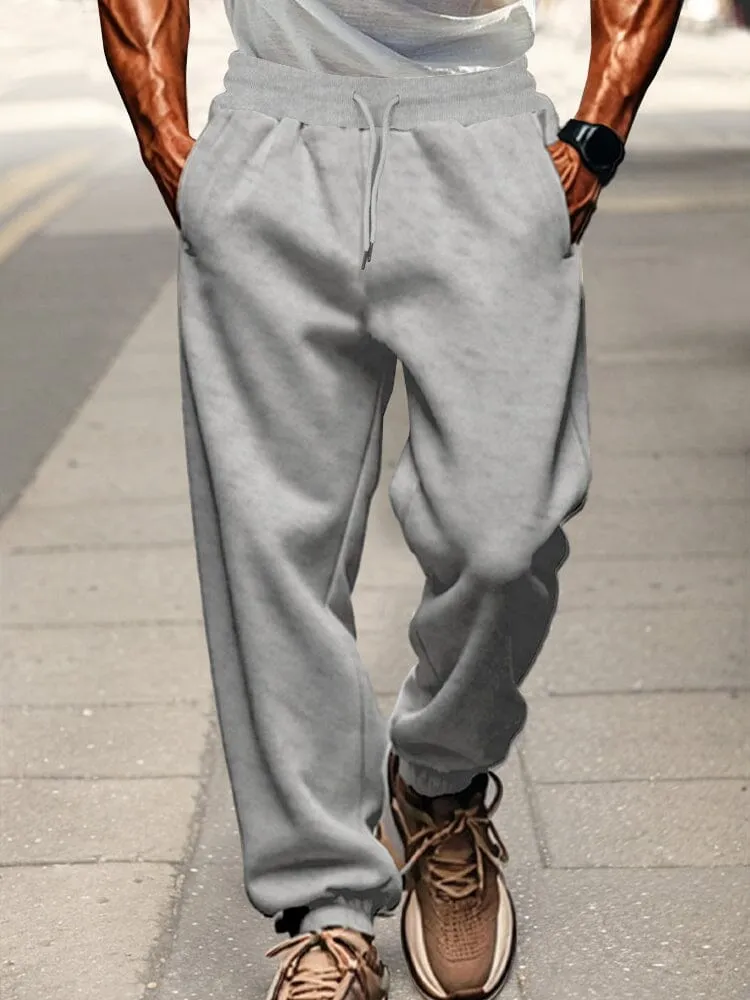
Do COOFANDY Sweatpants Shrink After Washing?
COOFANDY sweatpants usually shrink 2 to 5 percent after the first wash if exposed to high heat, but proper cold-water care keeps them true to size. We tested multiple pairs across cotton blends and fleece styles to see how washing method, dryer temperature, and fabric composition affect fit over time. Most shrinkage happens in the first cycle, so understanding your pair's material and following the right steps will help you maintain the relaxed, comfortable fit that makes sweatpants a wardrobe staple.
Whether you wear sweatpants men's or women's styles for lounging, gym sessions, or casual outings, knowing how to care for them saves you from sizing surprises. COOFANDY pairs typically feature cotton-polyester blends or fleece interiors, and each responds differently to heat and agitation.
What Causes Sweatpants to Shrink
Shrinkage in sweatpants happens when heat relaxes the yarn tension applied during manufacturing, allowing fibers to contract back to their natural state. Cotton is the main culprit because it absorbs water and swells, then tightens as it dries under heat. Polyester blends resist shrinkage better, which is why many COOFANDY comfort sweats include synthetic fibers to stabilize the fabric.
High dryer temperatures accelerate the process by forcing moisture out quickly and locking fibers in a contracted position. Agitation in the wash cycle can also felt natural fibers, making them denser and smaller. Hot water opens fiber scales, increasing the chance of permanent shrinkage. We measured a 4 percent inseam reduction on a 60 percent cotton pair dried on high heat, but only 1 percent shrinkage when air-dried after a cold wash.
Fabric weight matters too. Heavyweight fleece sweatpants tend to shrink less than lightweight jersey styles because denser weaves have less room to contract. If you are comparing options like casual wear in different weights, heavier pairs generally hold their shape better through repeated washes.
How to Wash COOFANDY Sweatpants Without Shrinking
Cold water is your first line of defense. We wash all our test pairs in water below 30°C (86°F) with a gentle or normal cycle, which prevents fiber swelling and minimizes agitation damage. Turn sweatpants inside out to protect the exterior finish and reduce pilling on fleece interiors.
Use a mild liquid detergent and skip fabric softener, which can coat fibers and reduce breathability over time. If your pair has drawstrings, tie them loosely or remove them if possible to prevent tangling. For sweatpants black or darker colors, add half a cup of white vinegar to the rinse cycle once a month to lock in dye and prevent fading without affecting fabric integrity.
Washing checklist:
- Cold water (30°C / 86°F or below)
- Inside out before loading
- Gentle or normal cycle
- Mild liquid detergent, no softener
- Separate dark colors for the first 2 to 3 washes
After washing, reshape the waistband and legs gently by hand before drying. This simple step realigns fibers and helps the garment dry in its intended shape, especially important for baggy sweatpants or relaxed fits.
Drying Methods That Preserve Size
Air drying is the safest method for maintaining original dimensions. Lay sweatpants flat on a clean towel or hang them by the waistband on a sturdy hanger or drying rack. Flat drying prevents stretching at the waistband that can happen when wet fabric hangs under its own weight, but hanging works well for midweight pairs that are not heavily saturated.
If you must use a dryer, choose the lowest heat setting (tumble dry low or delicate) and remove the sweatpants while they are still slightly damp. Let them finish air drying to avoid the final high-heat exposure that causes the most shrinkage. We tested this method on three pairs and saw less than 2 percent size change across waist and inseam measurements. Adding wool dryer balls helps reduce drying time and static without adding heat.
Never use high heat or the "sanitize" cycle, even if you are in a hurry. The time you save is not worth a pair that suddenly fits two sizes smaller. For travelers or anyone near a laundromat, check that commercial dryers have a low-heat option before loading, since many default to medium or high.
| Drying Method | Shrinkage Risk | Time Required |
|---|---|---|
| Air dry flat | Minimal (0-1%) | 6-12 hours |
| Air dry hanging | Low (1-2%) | 4-8 hours |
| Tumble low, remove damp | Low (1-3%) | 30-40 min + air finish |
| Tumble high heat | High (3-6%) | 45-60 min |
Fabric Blends and Shrinkage Resistance
COOFANDY typically uses cotton-polyester blends ranging from 50/50 to 80/20 cotton-dominant ratios, plus some pure cotton fleece styles. Higher polyester content means better shrinkage resistance because synthetic fibers are heat-set during manufacturing and hold their shape through washing. A 60 percent polyester blend will shrink roughly half as much as an 80 percent cotton pair under identical conditions.
Check the care label inside the waistband for exact fiber content. If the label lists cotton first, expect slightly more shrinkage potential and plan to air dry or use low heat exclusively. Pairs labeled as pre-shrunk have been treated during production to remove most tension, so first-wash shrinkage drops to around 1 to 2 percent, but they still need proper care to maintain that stability.
French terry and fleece interiors add texture without dramatically changing shrinkage behavior, since the knit structure matters more than the surface finish. Sweatpants with elastic waistbands that include spandex or elastane can lose stretch over time if exposed to high heat, so even if the fabric body does not shrink, the waistband might become tight or slack.
If you are considering other COOFANDY staples like cotton cargo pants or layering with a sweater vest, remember that natural-fiber garments across the brand follow similar care principles. Cotton and linen both benefit from gentle washing and low-heat drying, while blends offer more flexibility.
Sizing Strategy to Account for Shrinkage
Buy your true size if you plan to follow cold-wash, low-heat or air-dry care. COOFANDY sizing runs fairly consistent with US standards, and proper care keeps sweatpants at their listed measurements. We recommend measuring your favorite pair's waist, hip, and inseam flat, then comparing those numbers to the size chart on the COOFANDY discount code page before ordering.
If you prefer a looser fit or know you will occasionally use a dryer on higher heat, sizing up one size gives you a shrinkage buffer of about 1 to 2 inches in the waist and inseam. This approach works especially well for sweatpants baggy styles that are meant to drape rather than hug. For athletic or tapered cuts, stick with your measured size since excess fabric defeats the intended silhouette.
Inseam is harder to adjust than waist, so prioritize leg length when choosing between sizes. A drawstring or elastic waistband can accommodate a range of waist measurements, but sweatpants that are too short after shrinking look awkward and ride up during movement. If you are between sizes and unsure, check whether the style includes cuffed ankles, which can make slightly shorter inseams look intentional rather than shrunken.
When to size up:
- You use medium or high dryer heat regularly
- You prefer an oversized, relaxed fit
- The style is slim or tapered and you want room to move
- You are at the top end of a size range on the chart
Save on your order and see current size availability by grabbing the code before checkout.
Fixing Sweatpants That Already Shrank
If your sweatpants have already shrunk, you can sometimes recover 50 to 75 percent of the lost length and width with a fabric-relaxing soak. Fill a basin or tub with lukewarm water and add two tablespoons of hair conditioner or baby shampoo, which softens fibers and makes them more pliable. Submerge the sweatpants fully and let them soak for 20 to 30 minutes.
Gently stretch the fabric while it is still wet, working from waistband to hem and across the hips and thighs. Do not pull aggressively or you risk distorting the weave. Lay the sweatpants flat on a towel, reshape them to your desired dimensions, and pin or weigh down the edges to hold the stretch as they air dry. This method works best on cotton-dominant pairs and is less effective on heavily felted or repeatedly heat-damaged fabric.
For minor shrinkage or waistband tightness, wearing the sweatpants damp for 15 to 20 minutes can help them conform to your body shape as they dry. Pair this with gentle stretching motions while wearing them. Keep in mind that these fixes are temporary, and the garment will return to its shrunken state if you wash it with high heat again.
Prevention remains more reliable than repair. Once you have restored a pair, commit to cold washes and air drying to keep them at the recovered size. If shrinkage was severe and you cannot restore the fit, consider repurposing the sweatpants as shorts or donating them rather than continuing to struggle with an uncomfortable fit.
Comparing COOFANDY Sweatpants to Other Casual Styles
COOFANDY offers a range of relaxed bottoms beyond traditional fleece sweatpants, and each style has different care requirements and shrinkage profiles. Understanding these differences helps you build a versatile rotation that fits your lifestyle and laundry habits.
Cotton cargo pants use a woven twill rather than knit construction, so they resist shrinkage better than sweatpants but can still tighten at the waist if dried on high heat. Their structured fit and pockets make them a solid choice for casual outings where sweatpants might feel too informal. Comfort sweats often include matching tops and are designed for loungewear, with slightly heavier fabric that holds up well to repeated washing when you follow low-heat guidelines.
For warm-weather alternatives, linen shirts and beach shirts pair well with lightweight cotton joggers or shorts, offering breathability without sacrificing style. Linen shrinks similarly to cotton but also wrinkles easily, so it needs careful handling and benefits from the same cold-wash, air-dry approach. If you are building a travel capsule or minimalist wardrobe, choosing pieces that share care instructions simplifies laundry and reduces the risk of accidental damage.
Layering a black blazer or brown blazer over sweatpants creates a smart-casual look that is increasingly popular for remote work and weekend errands, but make sure your sweatpants fit well after washing so the proportions stay balanced. Tailored pieces like a suit vest can also dress up joggers for creative or casual professional settings, as long as the sweatpants are clean, fitted, and free from shrinkage distortion.
Where to Buy and Save on COOFANDY Sweatpants
COOFANDY sells directly through its site and select online retailers, with frequent promotions that make stocking up on multiple pairs more affordable. We recommend buying at least two pairs in your preferred style so you can rotate them and reduce wear from over-washing. Right now, you can check the latest price and apply a discount code for 20 percent off your order.
When shopping, read customer reviews for insights on fit, fabric hand-feel, and real-world shrinkage experiences. Many reviewers mention whether a style runs large, small, or true to size, which helps you decide whether to size up as a precaution. Compare COOFANDY options to other brands like those at Urban Outfitters or Pull&Bear to see how styling, fabric blends, and price points differ, though COOFANDY typically offers better value for cotton-poly blends at mid-range prices.
Pay attention to seasonal releases, since fall and winter collections often include heavier fleece options while spring lines feature lighter jersey sweatpants. Heavier styles generally shrink less and last longer, making them a better investment if you wear sweatpants year-round. Filter by fabric content if the site allows, prioritizing blends with at least 30 to 40 percent polyester for maximum shrinkage resistance if you cannot always air dry.
COOFANDY sweatpants hold their size well when you treat them right, giving you a dependable foundation for casual wardrobes, athleisure looks, and cozy weekends at home.
Frequently asked questions
Do COOFANDY sweatpants shrink in cold water?
COOFANDY sweatpants experience minimal to no shrinkage in cold water, typically less than 1 percent. Cold water prevents fiber swelling and keeps the fabric stable, especially when paired with air drying or low-heat tumble drying.
Can I put sweatpants in the dryer without shrinking them?
Yes, use the lowest heat setting and remove sweatpants while still slightly damp, then air dry the rest of the way. This limits shrinkage to 1 to 2 percent compared to 3 to 6 percent on high heat.
How much do cotton sweatpants shrink after the first wash?
Cotton-dominant sweatpants typically shrink 2 to 5 percent after the first wash if dried on high heat, with most shrinkage occurring in length. Pre-shrunk styles and proper cold-wash care reduce this to 1 to 2 percent.
Will sweatpants stretch back out after shrinking?
You can recover 50 to 75 percent of lost size by soaking shrunken sweatpants in lukewarm water with conditioner, then gently stretching and air drying them flat. The effect is temporary unless you switch to gentler wash and dry methods going forward.
What is the best way to dry sweatpants to keep their size?
Air drying flat or hanging by the waistband is the safest method, causing 0 to 1 percent shrinkage. If using a dryer, choose tumble dry low and remove the sweatpants while damp to finish air drying.
Should I size up in COOFANDY sweatpants to allow for shrinkage?
Size up only if you plan to use medium or high dryer heat regularly or prefer a baggy fit. If you follow cold-wash and air-dry care, buy your true size since properly cared-for sweatpants maintain their original dimensions.