
Dead Sea Magnesium vs Regular Magnesium: What's the Difference?

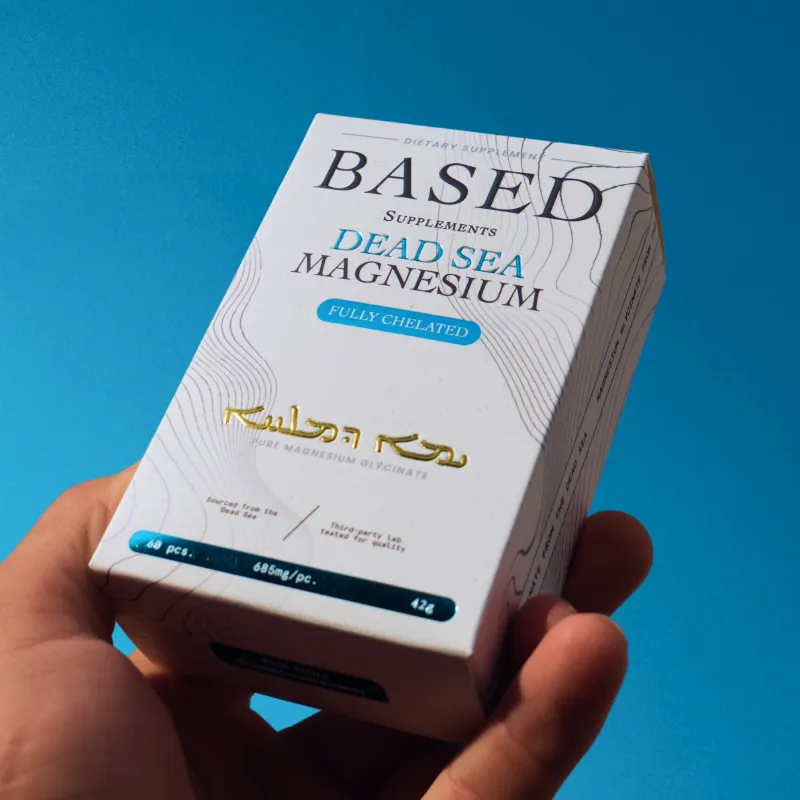
Dead Sea Magnesium vs Regular Magnesium: What's the Difference?
Dead sea magnesium differs from regular magnesium primarily in its source, mineral composition, and form. While standard magnesium supplements typically contain a single synthesized compound like magnesium oxide or citrate, dead sea magnesium is harvested from Dead Sea water and contains naturally occurring magnesium chloride alongside trace minerals including potassium, calcium, and sodium. This natural blend offers broader topical benefits and often better transdermal absorption when used in sprays, flakes, or creams.
Most people know magnesium matters for muscle function, sleep, and energy, but the source and form determine how your body uses it. We tested multiple magnesium products to understand which situations call for Dead Sea sourced options versus lab-created alternatives.
Source and Mineral Composition
Regular magnesium supplements are manufactured through chemical processes that isolate specific magnesium compounds. You will find magnesium oxide, citrate, glycinate, or threonate on most supplement labels, each bonded to a different carrier molecule to influence absorption rates and bioavailability.
Dead sea magnesium comes from evaporated water of the Dead Sea, which sits at the lowest point on Earth and contains the highest natural concentration of minerals anywhere. The extraction process yields magnesium chloride as the dominant compound, but the final product retains dozens of trace minerals that work synergistically:
- Magnesium chloride (the primary active compound)
- Potassium (supports electrolyte balance)
- Calcium (bone and muscle health)
- Bromides (natural calming properties)
- Sodium (fluid regulation)
This multi-mineral profile explains why dead sea magnesium benefits extend beyond what isolated magnesium compounds provide. The natural mineral blend found in Dead Sea salts creates a different experience than single-compound supplements.
Absorption and Application Methods
Regular oral magnesium supplements must pass through your digestive system, where absorption rates vary widely. Magnesium oxide offers low bioavailability around 4%, while magnesium glycinate reaches 20 to 30%. Digestive side effects like loose stools limit how much you can take at once.
Dead sea magnesium products are designed primarily for topical application:
- Dead sea magnesium spray: fast-absorbing liquid applied directly to skin
- Dead sea magnesium flakes: dissolved in bath water for full-body soaking
- Dead sea magnesium cream: moisturizer base for targeted muscle relief
Transdermal absorption bypasses the digestive system entirely, delivering magnesium directly through skin cells into local tissue and bloodstream. This method works particularly well for muscle cramps, joint stiffness, and localized tension where you need relief in a specific area.
Some brands do offer oral dead sea magnesium chloride, but the chloride form can taste unpleasant and cause the same digestive issues as other oral magnesium when taken in high doses.
When to Choose Each Type
Your choice depends on your specific health goals and how you prefer to supplement.
Choose regular magnesium supplements when:
- You need to address systemic magnesium deficiency confirmed by lab work
- You want a specific compound like magnesium glycinate for sleep or magnesium threonate for cognitive support
- Oral supplementation fits your routine better than topical application
- You are stacking with other minerals like shilajit capsules or shilajit tablets that provide complementary trace minerals
Choose dead sea magnesium when:
- You experience muscle soreness, cramps, or tension that needs targeted relief
- Oral magnesium causes digestive discomfort
- You want the additional trace minerals for skin health and mineral balance
- You prefer baths, sprays, or creams over pills
- You are addressing localized issues like restless legs or post-workout recovery
Many people use both approaches together. An oral supplement like magnesium glycinate addresses overall levels, while a dead sea magnesium spray targets sore muscles after workouts. Grab our discount code to save 10% on quality magnesium options from Based Supplements.
Product Forms Compared
Dead sea magnesium and regular magnesium each come in distinct formats suited to different needs.
| Form | Best For | Application |
|---|---|---|
| Dead sea magnesium flakes | Full-body relaxation, bath soaks | Dissolve in warm water, soak 20+ minutes |
| Dead sea magnesium spray | Targeted muscle relief, convenience | Spray directly on skin, massage in |
| Magnesium glycinate capsules | Sleep support, anxiety, systemic levels | Take 200-400 mg before bed |
| Magnesium citrate powder | Constipation relief, post-workout | Mix in water, drink on empty stomach |
The industrial extraction of Dead Sea minerals produces highly concentrated magnesium chloride that retains the natural mineral ratios found in the source water. This differs from synthesized magnesium chloride sold as a chemical compound.
We have also seen people combine magnesium with adaptogenic supplements like shilajit resin supplement or black ginger to address both mineral deficiencies and energy production at a cellular level. While magnesium focuses on muscle function and nerve signaling, adaptogens support overall stress response and vitality.
Purity and Quality Considerations
Not all dead sea magnesium products deliver equal quality. The Dead Sea region includes multiple harvesting zones with varying mineral concentrations, and some manufacturers dilute their products or add synthetic fillers.
Look for these quality markers when shopping:
- Source verification confirming Dead Sea origin rather than generic sea water
- Magnesium chloride percentage listed on the label (60% or higher for flakes)
- Minimal additives in sprays and creams beyond necessary preservatives
- Third-party testing for heavy metals and contaminants
Regular magnesium supplements face similar quality concerns. Cheap magnesium oxide contains more filler and absorbs poorly, while premium chelated forms like glycinate or malate cost more but deliver better results. Check current pricing and quality standards at Based Supplements to compare verified options.
Combining Magnesium With Other Minerals
Magnesium does not work in isolation. Your body needs balanced ratios of multiple minerals for optimal function, which is why the trace mineral profile in dead sea magnesium offers advantages for some users.
If you choose a single-compound magnesium supplement, consider pairing it with complementary minerals:
- Calcium and vitamin D for bone density (maintain a 2:1 calcium-to-magnesium ratio)
- Potassium for electrolyte balance and blood pressure
- Shilajit vitamins for fulvic acid and over 80 trace minerals
- Zinc for immune function and enzyme production
Dead sea magnesium provides some of these minerals naturally, but you may still need targeted supplementation based on your individual deficiencies. We run comprehensive mineral panels annually to adjust our supplement stacks rather than guessing based on symptoms alone.
The topical nature of most dead sea magnesium products makes them safe to combine with oral supplements without risk of exceeding upper limits. You absorb what your tissues need transdermally, while excess remains on the skin surface.
Making Your Choice
Dead sea magnesium excels for topical applications where you need targeted muscle relief, skin nourishment, and the synergistic benefits of multiple minerals. Regular magnesium supplements remain the better choice for addressing confirmed deficiencies, supporting specific biochemical pathways, and convenient daily oral supplementation.
Most active individuals benefit from both approaches. A quality dead sea magnesium spray handles post-workout soreness and tension, while oral magnesium glycinate supports sleep architecture and systemic levels. Neither option is universally superior, they serve different purposes within a complete mineral support strategy.
Test both formats to see which your body responds to best, and remember that magnesium status takes weeks to shift, so give any new protocol at least 30 days before evaluating results.
Frequently asked questions
Can I use dead sea magnesium spray every day?
Yes, you can apply dead sea magnesium spray daily to target areas. Most users spray 5 to 10 times on muscles after workouts or before bed. Some people experience slight tingling on first use, which typically fades as your skin adjusts and magnesium levels improve.
Does dead sea magnesium absorb better than pills?
Topical dead sea magnesium bypasses digestive absorption challenges and delivers magnesium directly through skin to local tissues. For systemic magnesium levels throughout your body, oral supplements remain more effective. Many people use both methods for different purposes.
How much magnesium is in dead sea flakes?
Quality dead sea magnesium flakes typically contain 60% or higher magnesium chloride by weight. A standard bath uses 1 to 2 cups of flakes, delivering substantial magnesium along with potassium, calcium, and trace minerals through transdermal absorption during a 20-minute soak.
Will dead sea magnesium help with muscle cramps?
Dead sea magnesium spray or cream applied directly to cramping muscles often provides faster relief than oral supplements because it delivers concentrated magnesium exactly where you need it. Combine topical application with oral magnesium if you experience frequent cramps, since that suggests broader deficiency.
Can I mix dead sea magnesium with other supplements?
Topical dead sea magnesium products work safely alongside oral supplements like shilajit capsules, black ginger, or standard magnesium pills. Since transdermal absorption is self-limiting, you have minimal risk of exceeding safe magnesium levels when combining topical and oral forms.
What is the difference between magnesium chloride and magnesium glycinate?
Magnesium chloride is the salt form found in dead sea magnesium and used primarily in topical products, while magnesium glycinate is magnesium bound to the amino acid glycine for better oral absorption and calming effects. Glycinate is gentler on digestion and preferred for sleep support.