
How to Take Shilajit: Resin vs Capsules vs Tablets Explained

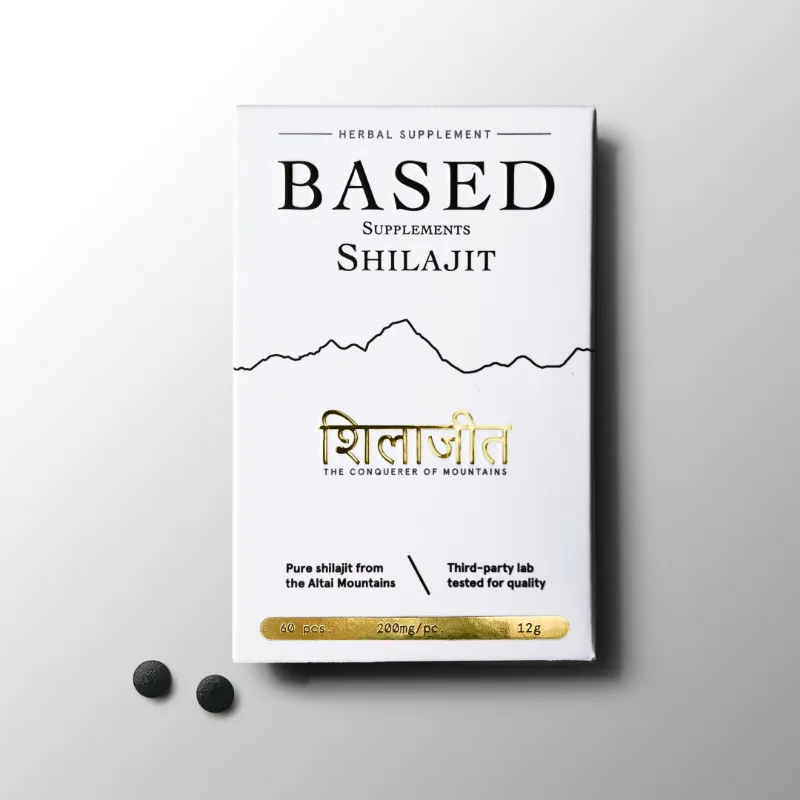
Shilajit capsules are the easiest format for consistent daily dosing, while resin offers flexible serving sizes and tablets split the difference between convenience and control. Each form delivers the same core mineral-rich compound, but absorption speed, portability, and ease of use vary significantly.
We tested all three formats to help you decide which fits your routine. Whether you prioritize travel convenience, precise dosing, or traditional preparation methods, understanding the trade-offs ensures you get the most from your supplement.
Understanding Shilajit Supplement Formats
Shilajit is a tar-like resin harvested from high-altitude rocks, primarily in the Himalayas. Manufacturers process this raw material into three main formats: resin, capsules, and tablets. The active compounds—fulvic acid, humic acid, and trace minerals—remain consistent across forms, but bioavailability and user experience differ.
Resin is the least processed option. You dissolve a rice-grain-sized portion in warm water or milk, which some users believe preserves more naturally occurring compounds. The texture is sticky and the taste intensely earthy, which can be off-putting if you're sensitive to strong flavors.
Shilajit capsules contain powdered or extract forms of the resin inside a gelatin or vegetable shell. They eliminate taste and mess while delivering a pre-measured dose. Shilajit extract capsules specifically concentrate the fulvic acid content, making them a popular choice for standardized potency.
Shilajit tablets compress the powder into a solid form without a capsule shell. They're easy to split for half-doses and often the most affordable per serving. Some brands add binders to hold the tablet shape, so check ingredient lists if you avoid fillers.
How to Take Shilajit Capsules
Take one to two capsules daily with a full glass of water, ideally 30 minutes before breakfast. The encapsulated format bypasses taste entirely and breaks down in your stomach within 20 to 30 minutes. Most shilajit vitamins recommend starting with a single capsule to assess tolerance before increasing to the full serving.
For best absorption, pair your dose with a small amount of healthy fat—a handful of nuts, avocado toast, or a spoonful of nut butter. Fulvic acid is water-soluble, but the trace minerals benefit from the presence of dietary fat during digestion.
Store capsules in a cool, dry place away from direct sunlight. Heat and humidity can degrade the capsule shell and clump the powder inside. A medicine cabinet or pantry shelf works well; avoid bathroom storage where steam from showers raises moisture levels.
If you're traveling, capsules are the most TSA-friendly option. Check our discount code before stocking up—the current offer saves 10% on all orders, which adds up when you're buying a three-month supply.
Resin Dosing and Preparation
Resin requires a bit more effort but offers maximum flexibility. Scoop a pea-sized amount (approximately 300 to 500 mg) and dissolve it in four to six ounces of warm water, herbal tea, or milk. Stir thoroughly until the resin fully disperses—this takes about two minutes. The resulting liquid will be dark brown with a slightly bitter, mineral taste.
Some users prefer splitting their dose between morning and afternoon to maintain steady energy levels. The shilajit resin supplement format makes this easy since you control the exact amount each time. Start with a smaller portion if you're new to shilajit; you can always increase after a week or two.
One downside: resin is messy. It sticks to spoons, measuring tools, and countertops. Keep a dedicated measuring spoon in the jar and wipe the rim after each use to prevent the lid from sealing shut. The texture also makes it impractical for on-the-go dosing—plan to take it at home.
According to Cleveland Clinic's overview of shilajit benefits, traditional Ayurvedic practitioners have used resin dissolved in warm milk for centuries, though modern research hasn't confirmed that preparation method offers superior absorption.
Shilajit Tablets: The Middle Ground
Tablets combine the portability of capsules with the lower cost of loose resin. Take one to two tablets daily with water, just like capsules. The main advantage is divisibility—you can snap a tablet in half if you want to start with a smaller dose or taper your intake.
Check the ingredient panel for binders like microcrystalline cellulose, magnesium stearate, or silica. These are standard tableting agents and generally recognized as safe, but some people prefer to avoid them. Shilajit tablets from reputable brands typically use minimal binders and focus on high fulvic acid content.
Tablets take slightly longer to dissolve than capsules because they lack a shell that immediately breaks apart in stomach acid. Most disintegrate within 30 to 40 minutes, so you won't notice a practical difference in onset time.
For those who stack multiple supplements, tablets are easier to organize in a pill organizer without the risk of capsules bursting or leaking powder.
Choosing the Right Format for Your Lifestyle
Your ideal format depends on three factors: convenience, budget, and how much control you want over serving size.
Best for travel and simplicity: Shilajit capsules win here. Pre-measured, tasteless, and shelf-stable, they fit into any routine without prep work. If you're frequently on the road or have a packed morning schedule, capsules eliminate friction.
Best for budget-conscious buyers: Resin and tablets typically cost less per serving than capsules because they require less processing. Grab the code to save an additional 10% and stretch your budget further.
Best for flexible dosing: Resin allows you to adjust your intake by the day. If you want a smaller dose on rest days and a larger one before workouts, resin gives you that control without splitting pills.
Best for minimalists: Shilajit extract capsules standardize the fulvic acid concentration, so you know exactly what you're getting in each dose. This matters if you're tracking nutrient intake or combining shilajit with other adaptogens like pine pollen supplement or black ginger.
Absorption and Timing Tips
All three formats work best on an empty stomach or with a light meal. Taking shilajit with heavy, high-fiber foods may slow absorption, though it won't block it entirely. Many users report feeling subtle energy and mental clarity within 30 to 60 minutes, especially when taken first thing in the morning.
Consistency matters more than format. Whether you choose capsules, tablets, or resin, take your dose at the same time daily to maintain steady levels of fulvic acid and trace minerals in your system. Most studies on shilajit efficacy involve daily use over eight to twelve weeks, so short-term experimentation won't reveal the full picture.
Avoid taking shilajit late in the evening if you're sensitive to stimulants. While it's not a direct energizer like caffeine, some people find it increases alertness enough to interfere with sleep if taken after 6 PM.
If you're combining shilajit with other supplements—dead sea magnesium for muscle recovery, for example—space them two to three hours apart to prevent competition for absorption pathways. Minerals can bind to each other in the digestive tract, reducing overall bioavailability.
Quality Markers Across All Formats
Regardless of format, look for third-party testing certificates that confirm heavy metal levels, microbial contamination, and fulvic acid content. Shilajit is harvested from rock formations, so lead, arsenic, and cadmium contamination is a real concern if sourcing and processing aren't carefully controlled.
Reputable brands publish lab reports on their websites or provide batch-specific results upon request. Fulvic acid content should be at least 50% for extracts and 20% for resin or tablets. Lower percentages suggest dilution or poor-quality raw material.
Avoid products with proprietary blends that hide exact ingredient amounts. You should know precisely how much shilajit you're getting per serving, not a vague "herbal matrix" that could contain mostly filler.
Check the latest pricing and certifications on Based Supplements' store page—they maintain transparent lab testing and source from verified Himalayan suppliers for all their shilajit formats.
Frequently asked questions
Can I switch between shilajit capsules and resin without changing my dose?
Yes, as long as you match the milligram amount. If your capsule contains 500 mg of shilajit, use the same weight of resin. Most resin servings are 300 to 500 mg, roughly the size of a large pea.
Do shilajit tablets work as well as capsules?
Tablets deliver the same active compounds and absorb nearly as quickly. The main difference is that tablets take an extra five to ten minutes to dissolve compared to capsules, which is negligible for most users.
How long does shilajit resin stay fresh after opening?
Properly stored resin lasts 12 to 24 months. Keep it sealed tightly in a cool, dry place away from heat and moisture. The resin may harden over time but remains potent—just warm the jar briefly to soften it.
Should I take shilajit with food or on an empty stomach?
Empty stomach or with a light meal works best for absorption. Heavy, fiber-rich meals may slow uptake slightly, though it won't prevent the supplement from working.
Can I dissolve shilajit tablets in water like resin?
Tablets will dissolve in warm water if you let them sit for a few minutes, but they're designed to be swallowed whole. Resin is specifically formulated for liquid preparation and dissolves more smoothly.
Are shilajit extract capsules stronger than regular capsules?
Extract capsules concentrate the fulvic acid content, often standardizing it to 50% or higher. Regular capsules may contain whole powdered resin with lower fulvic percentages but more trace minerals. Choose based on whether you want targeted fulvic acid or a broader mineral profile.