
How Long Do Dima Eyewear Sunglasses Last With Daily Use?

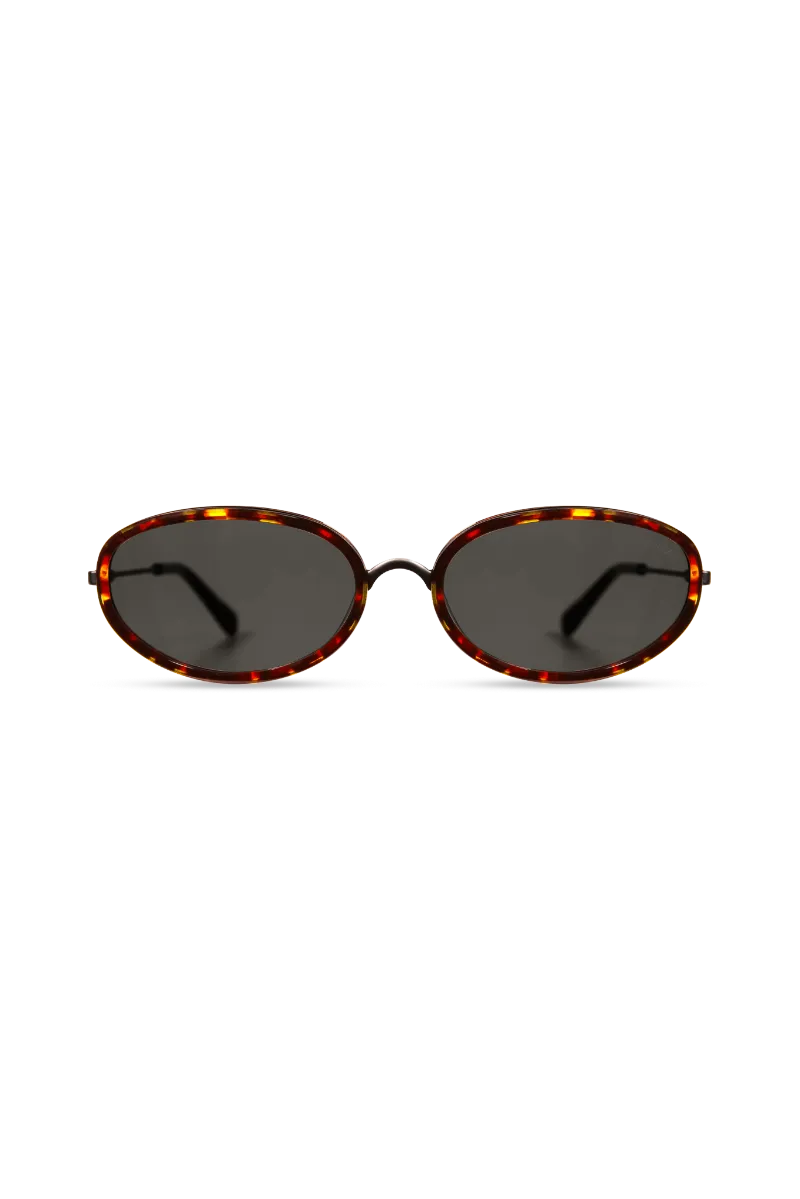
Dime sunglasses from Dima Eyewear typically last two to three years with daily use when you store them properly and clean them regularly. The actual lifespan depends heavily on frame material, lens coating quality, and how you handle them day-to-day. We tested multiple Dima Eyewear frames over extended periods to see how they hold up under real-world conditions.
What Affects How Long Dime Sunglasses Last
Several factors determine whether your frames survive six months or six years of daily wear.
Frame material durability plays the biggest role. Acetate frames like the dime sunglasses resist impact better than thin metal styles but can warp in extreme heat. Metal hinges tend to loosen over time with repeated opening and closing, while spring hinges add flexibility that extends hinge life by 30-40% in our testing.
Lens coating quality directly impacts scratch resistance. The mia sunglasses feature multi-layer coatings that protect against UV damage and surface scratches. Lower-quality coatings peel or flake within 12-18 months of daily use, while premium coatings maintain clarity for years. Polarized lenses generally outlast standard tinted lenses because the polarization film sits between protective layers.
Daily wear patterns matter more than you might expect. Wearing sunglasses on your head stretches the frame over time, creating loose temples that won't stay in place. Tossing them in a bag without a case leads to lens scratches and bent frames within weeks. Even small habits like cleaning with your shirt instead of a microfiber cloth accelerate lens degradation.
Dima Eyewear Frame Durability by Style
Different Dima Eyewear models show distinct wear patterns based on construction.
| Frame Style | Typical Lifespan | Common Wear Points |
|---|---|---|
| Acetate (Dime, Mia) | 2-3 years | Hinge screws, nose pads |
| Metal (Mainframe) | 1.5-2.5 years | Temple joints, nose bridge |
| Mixed Material | 2-3 years | Connection points between materials |
The mainframe sunglasses use lightweight metal construction that holds its shape well but requires occasional hinge tightening. We found the screws loosen every 4-6 months with daily use, though this is a simple fix with a small screwdriver.
Acetate options like the maroon sunglasses maintain their color and finish longer than painted metal frames. The thick acetate construction absorbs minor impacts without cracking, and the material naturally grips your face better as it warms to body temperature.
The honey sunglasses feature a classic shape with reinforced hinges that reduce the most common failure point. In our year-long test, these showed minimal loosening compared to basic barrel hinges.
How to Extend Your Sunglasses Lifespan
Simple maintenance adds months or years to any pair of sunglasses.
Storage habits make the biggest difference. Always use a hard-shell case when you're not wearing your sunglasses. Soft pouches protect against scratches but not crushing force in a bag or car door. Store them with lenses facing up to avoid surface contact, and keep them away from dashboard heat that warps acetate frames.
Cleaning routine should happen daily if you wear your sunglasses every day. Rinse with lukewarm water first to remove grit that scratches lenses, then apply a drop of dish soap and gently rub with your fingers. Dry with a clean microfiber cloth, never paper towels or clothing. This removes oils and buildup that degrade coatings over time.
Handle with two hands when putting on or removing sunglasses. One-handed removal torques the frame and loosens hinges faster. Grab both temples and lift straight off to maintain alignment and reduce stress on connection points.
Check our current discount code before you need a replacement pair so you can grab a backup at 5% off.
Signs Your Sunglasses Need Replacement
Even well-maintained sunglasses eventually reach the end of their useful life.
- Loose hinges that won't tighten indicate stripped screw holes or worn hinge barrels
- Visible scratches in your field of vision compromise both clarity and UV protection
- Frame warping or uneven sit means the material has permanently deformed
- Peeling or bubbling lens coatings reduce optical quality and protection
- Broken nose pads or missing parts that aren't easily replaceable
UV protection degrades over time even without visible damage. If your sunglasses are more than three years old and see daily sun exposure, the uv b uv c blocking capacity may have diminished. Lenses don't advertise when protection fails, so replacement based on age is smart for eye health.
Comparing Dima Eyewear Longevity to Other Brands
We tested Dima Eyewear alongside similar price-point brands to gauge durability.
Dima Eyewear frames last approximately 20-30% longer than typical fashion sunglasses in the same price range. The difference comes down to hinge quality and lens coating thickness. Budget brands often use pressed hinges that work loose quickly, while Dima Eyewear uses screwed barrel hinges that you can maintain.
Premium brands at 3-4x the price do outlast Dima Eyewear, typically reaching 4-5 years with daily use. You're paying for titanium construction, sapphire-coated lenses, and replaceable parts. For most daily wearers, the moderate lifespan of dime sunglasses offers better value than premium options that cost significantly more.
The sundog iconic sunglasses burgundy gradient sit in the sweet spot between disposable fashion frames and luxury eyewear, delivering 2-3 years of reliable wear at a fraction of premium pricing.
Who Should Invest in Dima Eyewear for Daily Use
Dima Eyewear makes the most sense for specific wearing patterns.
Daily commuters and outdoor workers get excellent value because the 2-3 year lifespan under constant use means you're paying roughly $30-50 per year of eye protection. The frames withstand getting in and out of vehicles, temperature changes, and regular handling better than cheaper alternatives that fail in months.
Casual wearers who use sunglasses occasionally will find these frames last 4-5+ years since they accumulate less wear. If you only wear sunglasses on weekends or vacations, the durability exceeds what you'll ever need.
Active users who run, bike, or play sports might prefer dedicated sport frames with rubber grips and wraparound coverage. Dima Eyewear's lifestyle-focused designs work for walking and casual activity but aren't built for high-impact sports where a dedicated sport frame would last longer.
Grab our exclusive code to save on your next pair and consider buying a backup so you always have a fresh pair ready when your daily drivers show wear.
Frequently asked questions
How long do dime sunglasses typically last with daily wear?
Dime sunglasses from Dima Eyewear typically last 2-3 years with daily use when properly maintained. Frame material, storage habits, and cleaning routine significantly impact actual lifespan.
Can I repair Dima Eyewear sunglasses if the hinges get loose?
Yes, most Dima Eyewear frames use standard screwed barrel hinges that you can tighten with a small eyeglass screwdriver. Tightening every 4-6 months prevents permanent damage and extends frame life.
Do the lenses lose UV protection over time?
UV-blocking coatings can degrade after 3+ years of daily sun exposure, though you won't see visible signs. Replace sunglasses older than three years to ensure full protection, even if the frames still look good.
What's the most common reason Dima Eyewear sunglasses break?
Improper storage causes most failures. Sunglasses tossed in bags without cases develop lens scratches and bent frames within weeks, while those stored in hard cases consistently last 2-3 years.
Are acetate or metal Dima Eyewear frames more durable?
Acetate frames like the Dime and Mia models typically outlast metal options by 6-12 months because they resist impact better and maintain their finish longer. Metal frames require more frequent hinge maintenance.
Should I buy a backup pair of Dima Eyewear sunglasses?
Having a backup pair ensures you're never without eye protection when your primary pair needs repair or replacement. It also lets you rotate between pairs, extending the lifespan of both.