
How to Adjust Aviator Sunglasses for a Better Fit

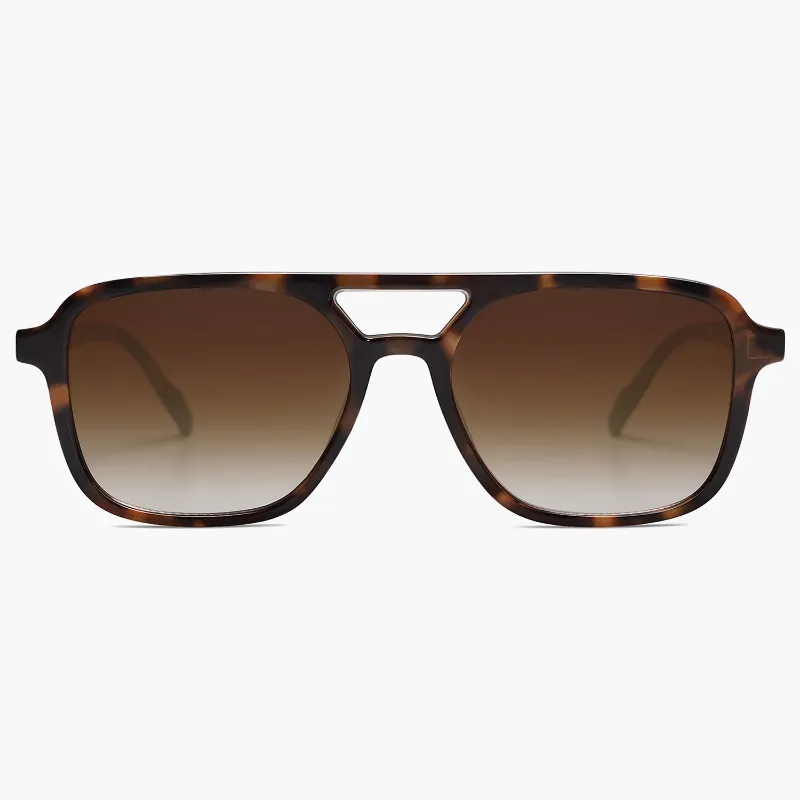
Why Proper Fit Matters for Aviator Sunglasses
Aviator sunglasses should sit securely on your face without pinching your nose or sliding down when you move. Most fit issues stem from nose pads that are too wide or narrow, or temple arms that haven't been shaped to your head. We'll walk you through simple adjustments you can make at home to dial in comfort and coverage, whether you're wearing aviator sunglasses for driving, outdoor sports, or everyday style.
The classic aviator design features adjustable nose pads and thin metal temples, which makes customization straightforward once you know what to tweak. A well-fitted pair stays put during activity and distributes weight evenly across your nose and ears.
Adjusting the Nose Pads on Metal Aviators
Nose pads control how high the frames sit on your face and prevent sliding. Most aviator sunglasses for men and women come with small metal or silicone pads attached to adjustable arms.
To widen the nose pad spacing (if frames pinch your nose):
- Hold the frame front with one hand
- Gently push each nose pad arm outward with your thumb
- Test the fit and repeat in small increments until comfortable
To narrow the spacing (if frames slide down):
- Grip the frame securely
- Press the nose pad arms inward toward each other
- Check that both pads make even contact with your nose
To angle the pads:
- Tilt the pads inward so they follow the contour of your nose bridge
- This increases surface contact and stability
We recommend making adjustments over a soft towel to avoid scratching the lenses. If your shades aviators have screw-in nose pads, you can also swap them for larger or smaller sizes at most eyewear shops.
Bending the Temple Arms for a Secure Hold
Temple arms (the pieces that rest over your ears) should curve gently around your head without creating pressure points. Aviator sunglasses typically use thin metal temples that you can reshape by hand.
To tighten loose temples:
- Locate the hinge where the temple meets the frame front
- Warm the metal slightly with a hairdryer for 10-15 seconds (optional, makes bending easier)
- Gently bend the temple inward at the point just past your ear
- The curve should hug your head without digging in
To reduce pressure:
- Bend the temple outward in small increments
- Focus on the area behind your ear where discomfort occurs
Temple tip adjustment:
- The angled end piece should rest lightly behind your ear, not press into your skull
- Bend the final inch of the temple slightly up or down to match your ear position
Test the fit after each adjustment. Aviator sunglasses polarized models and non-polarized versions adjust the same way since the temple construction is identical.
Frame Height and Lens Coverage
Proper frame height affects both comfort and UV protection. Your aviators should sit high enough that the top bar rests just below your eyebrows, with the lenses covering your eyes fully when you look straight ahead.
Signs your frames sit too low:
- You see the top edge of the lens in your field of vision
- Sunlight enters from above the frame
- The nose pads leave deep marks
Signs they sit too high:
- The frames touch your eyebrows
- Lenses fog easily from trapped heat
- The frame obstructs your upper vision
Adjust nose pad height and angle first, then temple fit. If persistent issues remain after adjustment, you may need a different bridge size. Many aviators sunglasses come in multiple bridge widths (typically 14mm to 18mm) to accommodate different face shapes.
For current sizing options and to grab the code for 10% off, check our dedicated store page.
Adjusting Plastic or Acetate Aviator Frames
Some modern aviator designs swap metal for acetate or plastic construction. These require heat to adjust safely.
Nose bridge adjustment:
- Run warm (not boiling) water over the nose bridge for 30 seconds
- Gently press the bridge to widen or narrow the fit
- Hold the new shape under cold water to set it
Temple adjustment:
- Warm the temple arm with a hairdryer on low setting
- Bend carefully at the hinge or behind-the-ear curve
- Cool immediately to lock the shape
Never force cold plastic frames, which can crack. If you're working with black sunglasses or white sunglasses in acetate, the material flexes more than metal but still needs heat for permanent changes.
Comparing Aviator Fit Across Frame Styles
Different aviator variations affect how you'll approach fit adjustments:
| Frame Type | Nose Pad Style | Adjustment Ease | Best For |
|---|---|---|---|
| Classic Metal | Adjustable pads | Easy (hand-bend) | Customizable fit, all face shapes |
| Plastic Aviator | Molded bridge | Moderate (needs heat) | Bold style, lower maintenance |
| Military Aviator | Fixed or cushioned pads | Easy to moderate | Secure hold, active use |
Military aviator sunglasses often feature bayonet temples (straight arms with cable ends) that wrap more securely. These adjust the same way as standard temples but require more precise bending at the cable curve.
If you prefer frames that need less adjustment out of the box, round glasses or cat eye glasses with keyhole bridges may distribute weight differently and suit your face shape better. Each style from SOJOS sunglasses ships with basic fit instructions.
Tools and Accessories for Better Aviator Fit
A few inexpensive items make adjustments easier and help maintain your fit over time:
- Microfiber cloth: Protects lenses during adjustment and cleaning
- Small precision screwdriver set: Tightens loose hinge screws that cause wobble
- Replacement nose pads: Silicone or foam pads in multiple sizes (available at opticians or online)
- Eyewear retainer strap: Adds security during sports without altering the frame
- Glasses chain: Keeps frames accessible and reduces drops; browse our glasses chain selection for adjustable options
We also recommend checking temple screws every few months. A loose hinge throws off the entire fit even if nose pads are perfectly adjusted.
When to Seek Professional Adjustment
Visit an optician if you experience any of these issues:
- Frame feels twisted or uneven after adjustment attempts
- Nose pads won't stay in position or the adjustment arms are cracked
- Prescription lenses need optical center alignment
- Metal has memory and springs back to the wrong shape
- You're uncomfortable applying heat or bending force
Most optical shops offer free adjustments even if you didn't purchase the frames there. For premium models like aviator sunglasses Ray-Ban or aviator sunglasses Tom Ford, professional service protects your investment and any warranty coverage.
Before visiting a shop, check the latest price on replacement frames if yours are beyond simple adjustment. Sometimes a fresh pair in the correct size solves persistent fit problems better than repeated bending.
Fit Tips for Different Face Shapes
Aviators work across face shapes, but subtle adjustments optimize the look:
Oval faces: Standard fit works well; focus on comfort adjustments only Round faces: Slightly widen nose pads and choose larger lens sizes for elongation Square faces: Soften angles by ensuring temples curve smoothly without sharp bends Heart-shaped faces: Narrow the nose pad gap slightly for better proportion
Both aviator sunglasses women and aviator sunglasses men styles adjust identically, though women's models sometimes feature smaller lens diameters (52mm to 58mm vs. 58mm to 62mm for men). Size affects weight distribution, so smaller frames may need less aggressive nose pad angles.
If you frequently switch between aviators and other styles like circle glasses or eye cat frame designs, note which adjustments work best for each. Different geometries shift weight to different contact points on your face.
Frequently asked questions
How do I stop my aviator sunglasses from sliding down my nose?
Narrow the nose pad spacing by gently pressing the pad arms inward toward each other, and angle the pads to follow your nose contour. This increases surface contact and grip. You can also try silicone nose pad covers for extra friction.
Can I adjust aviator sunglasses myself or do I need a professional?
Most metal aviator adjustments are safe to do at home with gentle hand pressure on nose pads and temples. Seek professional help if frames feel twisted, adjustment arms crack, or you're working with expensive designer models you don't want to risk damaging.
Why do my aviators hurt the top of my ears?
The temple arms are bent too tightly or the curve behind your ear is too sharp. Gently bend the temples outward in small increments at the pressure point, and adjust the angle of the temple tip so it rests lightly rather than digging in.
How often should I readjust my aviator frames?
Check fit every few months or whenever you notice slipping or discomfort. Daily wear gradually loosens nose pads and temple curves. Tighten hinge screws at the same time to maintain overall frame alignment.
Do polarized aviator sunglasses adjust differently than regular ones?
No, aviator sunglasses polarized models adjust the same way as non-polarized versions because the lens technology doesn't affect frame construction. Focus on nose pad and temple adjustments regardless of lens type.
What's the best way to adjust plastic aviator frames?
Warm the plastic with a hairdryer on low or run the area under warm water for 30 seconds, then gently bend and hold the new shape under cold water to set it. Never force cold plastic, which can crack.