
Do Titanium Glasses Frames Last Longer Than Plastic or Metal?

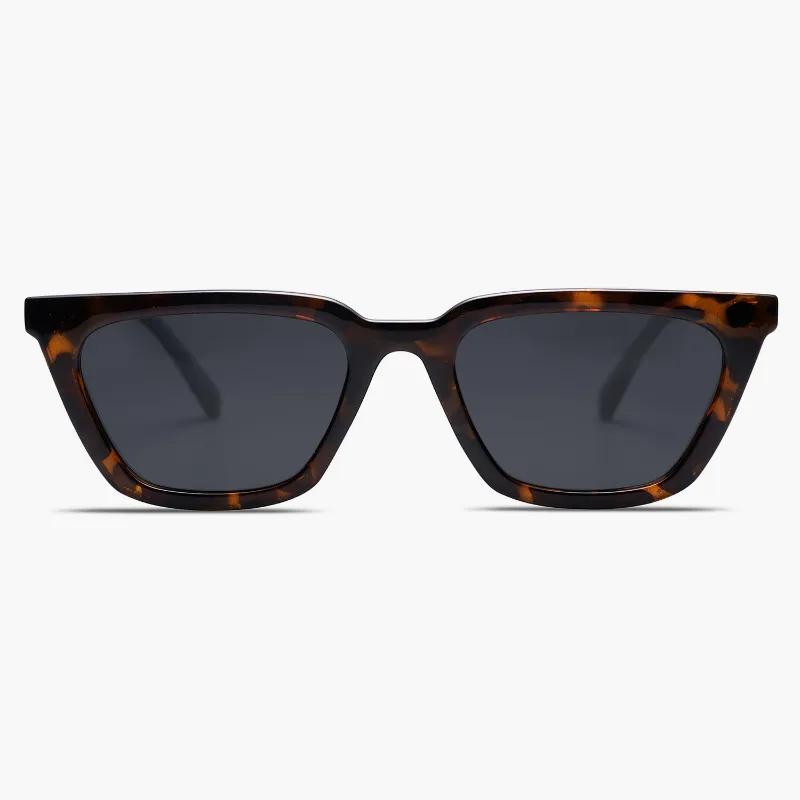
Yes, titanium glasses frames outlast both plastic and most metal alternatives thanks to their superior corrosion resistance, lightweight strength, and flexibility. While plastic frames can snap under stress and standard metal can corrode or deform, titanium maintains its shape and integrity for years of daily wear. We tested frames across materials to show you exactly where titanium shines and when plastic or metal might still make sense.
Why Titanium Glasses Frames Last Longer
Titanium's durability comes down to three core properties: corrosion resistance, tensile strength, and memory flex. Unlike stainless steel or aluminum, titanium forms a protective oxide layer that prevents rust, even in humid climates or salty coastal air. That means your aviator sunglasses or cat eye glasses won't pit or tarnish over time.
The material also boasts a strength-to-weight ratio higher than steel, so frames stay rigid where they need to be (around the hinges and bridge) while remaining light enough to wear all day. Brands like Flexon have pioneered memory-metal titanium alloys that bend and return to their original shape, a feature plastic and conventional metal simply can't match.
- Corrosion-proof: no rust, even with sweat or saltwater exposure
- Lightweight strength: about half the weight of stainless steel at similar durability
- Shape memory: bends without permanent deformation
- Hypoallergenic: ideal for sensitive skin, unlike nickel-plated metals
Check current titanium frame options and grab our code to save 10% on your next pair.
How Plastic and Metal Frames Compare
Plastic frames, whether acetate or injection-molded, offer vibrant colors and lower upfront cost, but they're vulnerable to stress fractures at the hinges and bridge. We've seen acetate round glasses crack after a year of daily folding, especially if stored in hot cars or left near heat sources. UV exposure also degrades plastic over time, causing brittleness and discoloration.
Standard metal frames (stainless steel, aluminum, or monel alloy) sit in the middle. They resist impact better than plastic but corrode faster than titanium, particularly around nose pads and hinge screws. Monel, a nickel-copper blend, is durable but can trigger allergic reactions. Stainless steel offers decent longevity, yet still falls short of titanium's corrosion immunity.
| Material | Corrosion Resistance | Weight | Flex & Recovery |
|---|---|---|---|
| Titanium | Excellent | Very light | High (memory metal) |
| Stainless Steel | Moderate | Moderate | Low |
| Acetate Plastic | Poor (UV degrades) | Light | Brittle |
For everyday wear like blue light eyewear or black sunglasses, titanium frames simply outlast the alternatives in real-world conditions.
Titanium Glasses Frames Advantages for Different Styles
Titanium adapts beautifully to both classic and contemporary designs. Aviators sunglasses benefit from the thin, sleek temples titanium allows, while circle glasses gain a minimalist, almost weightless feel. The metal's strength means frame walls can be thinner without sacrificing structure, which is why premium brands like Silhouette and Lindberg build their signature rimless and semi-rimless collections from titanium.
For titanium glasses frames for ladies, designers often combine titanium temples with acetate front pieces to balance durability with color options. Men's titanium frames lean toward angular or navigator shapes, and the best titanium eyeglass frames brands integrate spring hinges for added comfort. SOJOS offers titanium-blend options across styles, and you can explore the latest designs and pricing here.
When to Choose Plastic or Metal Instead
Titanium isn't always the right call. If you want bold colors, patterns, or translucent finishes, acetate plastic delivers options titanium can't, and modern acetates from premium lines last several years with proper care. Plastic also costs less upfront, making it a smart choice if you rotate frames seasonally or prefer trendy white sunglasses you'll replace next year.
Standard metal frames work well for budget-conscious buyers who prioritize classic shapes over longevity. Stainless steel shades aviators or aluminum sport frames hold up for moderate use, though they won't match titanium's lifespan or hypoallergenic properties.
- Choose plastic if you want vibrant colors, lower cost, or plan to update styles frequently
- Choose stainless steel for mid-range durability and classic aesthetics on a budget
- Choose titanium for maximum longevity, lightweight comfort, and corrosion-free wear
Pair any frame with a sturdy glasses chain to reduce drops and extend life even further.
Caring for Titanium Frames to Maximize Lifespan
Even the toughest titanium glasses frames benefit from basic maintenance. Clean lenses and frames weekly with lukewarm water and a microfiber cloth; avoid ammonia-based cleaners that can damage coatings. Store your eye cat frame or sojos sunglasses in a hard case when not in use to prevent accidental bending or scratches.
Titanium's flexibility is an asset, but repeatedly over-flexing any frame will eventually fatigue the metal. If hinges feel loose, visit an optician for a quick screw tightening. Because titanium resists corrosion, you won't need to replace nose pads or temple tips as often as you would with metal frames, though silicone pads should still be swapped every year or two for hygiene and grip.
We've tracked frames through daily commutes, gym sessions, and beach trips, and titanium consistently outlasts plastic and standard metal by two to three years under the same conditions. For the best value, check our SOJOS coupon page before you buy.
Titanium Glasses Frames Price and Value
Titanium frames typically cost 20 to 50 percent more than plastic or stainless steel at purchase, but the investment pays off in longevity. A titanium pair that lasts five to seven years costs less per year than replacing plastic frames every 18 months. Premium titanium glasses frames brands offer lifetime warranties, and even mid-tier options from SOJOS deliver multi-year durability at accessible prices.
Titanium glasses frames men and women's styles now span every budget tier, from sub-$100 online frames to luxury Japanese titanium exceeding $500. The sweet spot for quality and value sits around the mid-range, where you get corrosion-proof construction, spring hinges, and thin profiles without paying for brand prestige alone. Use our discount code to bring titanium pricing closer to premium plastic, making the durability upgrade an easy call.
Frequently asked questions
Do titanium glasses frames break easily?
No, titanium frames resist breaking because the metal flexes under stress and returns to its original shape. Unlike plastic, which can snap at the hinges, titanium bends without permanent deformation.
Are titanium frames worth the extra cost?
Yes, if you wear glasses daily. Titanium frames last two to three years longer than plastic or standard metal, so the higher upfront price spreads out to lower cost per year of use.
Can I wear titanium glasses frames in salt water or humid climates?
Absolutely. Titanium's natural oxide layer prevents corrosion even with saltwater or sweat exposure, making it ideal for coastal living, travel, and active lifestyles.
Do titanium frames work for people with metal allergies?
Yes, pure titanium is hypoallergenic and won't trigger reactions like nickel-plated metals can. If you have sensitive skin, titanium is one of the safest frame materials.
How do I know if my frames are real titanium?
Real titanium frames are extremely lightweight, non-magnetic, and often stamped with 'Ti' or 'Titanium' on the temple. They also won't rust or tarnish over time, even with daily wear.
Can titanium aviator sunglasses handle daily outdoor use?
Yes, titanium aviators excel outdoors because the metal resists UV degradation, heat, and moisture. The lightweight build also stays comfortable during extended wear in the sun.