
Do Blue Light Glasses Really Work? What to Know Before Buying

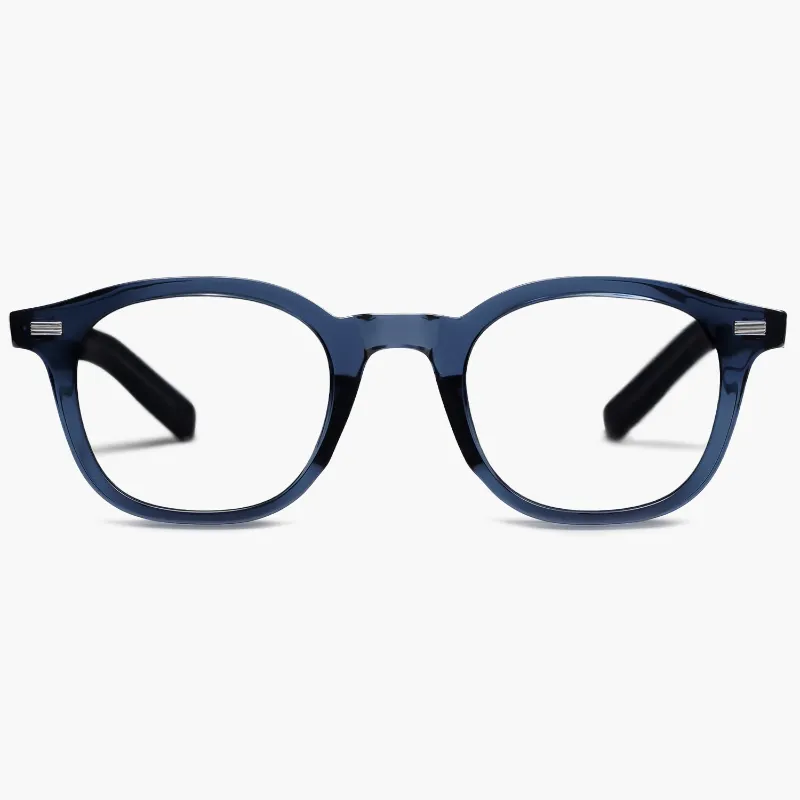
Blue light eyewear filters short-wavelength light emitted by digital screens, and while research on their benefits remains inconclusive, many people find they reduce eye strain and improve comfort during extended screen time. Before you invest in a pair, understanding what blue light glasses actually do and who benefits most will help you make a smarter purchase.
What Blue Light Glasses Actually Do
Blue light blocking glasses feature lenses coated or tinted to filter portions of the blue-violet light spectrum, typically between 380 and 500 nanometers. This is the wavelength range emitted by LED screens, smartphones, and fluorescent lighting. The lenses work by either absorbing or reflecting these wavelengths before they reach your retina.
Most computer glasses on the market block anywhere from 20% to 90% of blue light, depending on the lens technology and tint intensity. Clear or lightly tinted lenses block less but maintain color accuracy for design work, while amber or yellow-tinted versions offer stronger filtering but shift how you perceive colors on screen.
When you wear blue light eyewear during work hours, the goal is to reduce the cumulative exposure that may contribute to digital eye strain. Symptoms like dry eyes, headaches, and blurred vision after screen use are common complaints, though experts debate whether blue light itself is the primary culprit or if factors like reduced blink rate and poor posture play a larger role.
Do Blue Light Glasses Work for Eye Strain?
The scientific consensus is nuanced. A 2017 review by The Eye Doctors found limited evidence that blue light directly causes eye damage in typical daily exposure, but noted that filtering it may help some individuals with light sensitivity or specific sleep concerns.
What we know works:
- The 20-20-20 rule: Every 20 minutes, look at something 20 feet away for 20 seconds to relax eye muscles
- Proper screen positioning: Keep monitors at arm's length and slightly below eye level
- Adequate room lighting: Avoid high contrast between bright screens and dark rooms
- Regular blinking: Conscious effort to blink fully prevents tear film evaporation
Blue light glasses may amplify these habits by serving as a physical reminder to practice good screen hygiene. Many users report subjective improvements in comfort, even if placebo effect plays a role. If you spend six or more hours daily in front of screens and experience persistent discomfort despite ergonomic adjustments, trying a pair is low-risk.
For prescription wearers, adding blue light filtering to your existing lenses is often a straightforward upgrade. Non-prescription options like round glasses with blue light coating work well for those who don't need vision correction but want the filtering benefit.
Choosing the Right Blue Light Blocking Glasses
Not all blue light eyewear performs equally. Here's what separates effective pairs from marketing gimmicks:
Lens tint and blocking percentage: Clear lenses block 10-30% of blue light and suit daytime use when color accuracy matters. Yellow or amber lenses block 50-90% but distort screen colors, making them better for evening use or gaming.
Frame fit and comfort: Since you'll wear these for hours, prioritize lightweight materials and adjustable nose pads. Cat eye glasses offer a stylish option that balances coverage and comfort for smaller faces, while aviators sunglasses provide wider lens coverage if you work with multiple monitors.
Anti-reflective coating: This reduces glare from overhead lighting and screen reflections, addressing a major contributor to eye strain that blue light filtering alone doesn't solve. Look for lenses that combine both technologies.
Certification transparency: Reputable brands specify their blocking percentage and wavelength range. If a product lists no technical specs, it's likely using minimal or no actual filtering technology.
Before committing to a premium pair, check the latest price on entry-level options to test whether you notice a difference. We currently have a 10% discount available that makes experimenting with blue light glasses more affordable.
Best Blue Light Blocking Glasses by Use Case
Your ideal pair depends on how and when you use screens:
| Use Case | Recommended Style | Key Features |
|---|---|---|
| All-day office work | Clear lens with AR coating | Minimal color distortion, lightweight frames |
| Evening gaming | Amber-tinted lenses | High blocking percentage, wrap coverage |
| Creative work (design, photo editing) | Light blue tint | Preserves color accuracy, reduces glare |
| Prescription users | Blue light add-on to Rx lenses | Custom fit, combines vision correction |
For hybrid workers switching between home and office, consider keeping a dedicated pair at each location. A glasses chain prevents misplacing them when you step away from your desk.
If you already wear sunglasses outdoors, note that most black sunglasses and white sunglasses block blue light as part of their UV protection but are too dark for indoor screen use. Blue light glasses are designed specifically for indoor lighting conditions.
When Blue Light Glasses Are Worth It
You're most likely to benefit from blue light blocking glasses if you:
- Work more than six hours daily on computers or tablets
- Experience headaches, dry eyes, or blurred vision after screen time
- Have trouble falling asleep within two hours of evening screen use
- Are sensitive to bright light or have existing eye conditions like photophobia
- Take frequent video calls with harsh ring lighting or monitor glare
Blue light glasses won't fix underlying vision problems like nearsightedness or astigmatism that require prescription correction. If you squint at your screen or lean forward to read text, book an eye exam before investing in blue light eyewear.
For sleep support specifically, wearing amber-tinted glasses two to three hours before bed blocks the wavelengths that suppress melatonin production. Research suggests this approach is more effective than screen-time reduction alone for people who can't avoid evening device use.
Style-conscious shoppers will find that modern blue light glasses look identical to fashion frames. Options like cat eye glasses and round glasses double as everyday accessories, eliminating the "tech goggles" stigma of early computer glasses.
When shopping, grab the code to save on your first pair and test the difference for yourself. Most users know within a week whether the glasses reduce their symptoms.
Alternatives and Complementary Strategies
Blue light glasses work best as part of a broader eye care routine:
Software solutions: Apps like f.lux and built-in night mode features reduce blue light emission at the source by warming screen tones. These are free and work well for evening use, though they alter color accuracy.
Monitor settings: Many displays now include built-in blue light reduction modes. Enable these during work hours and reserve glasses for meetings or tasks requiring color precision.
Workspace ergonomics: Position monitors to eliminate window glare, use task lighting instead of overhead fluorescents, and ensure your chair height allows relaxed viewing angles.
Prescription blue light glasses: If you already wear corrective lenses, adding a blue light filter costs less than buying separate computer glasses. Most optometrists offer this as a lens upgrade.
Testing services from retailers like EyeBuyDirect and expert reviews from sources like Health can guide you toward models with verified filtering technology rather than cosmetic-only tints.
The bottom line: are blue light glasses worth it? For heavy screen users experiencing discomfort, the low cost and zero risk make them worth testing. Pair them with proven eye strain prevention habits for the best results, and remember that regular eye exams remain the foundation of long-term eye health.
Frequently asked questions
Do blue light glasses actually reduce eye strain?
The evidence is mixed. While blue light glasses may help some people feel more comfortable during screen use, factors like proper screen positioning, regular breaks, and blinking habits play a larger role in preventing digital eye strain. Many users report subjective improvements, but scientific studies show inconsistent results.
Can I wear blue light glasses all day?
Yes, blue light glasses with clear or lightly tinted lenses are safe for all-day wear. However, heavily tinted amber or yellow lenses may distort color perception and are better suited for evening use when color accuracy is less important.
Will blue light blocking glasses help me sleep better?
Wearing amber-tinted blue light glasses two to three hours before bed may improve sleep by blocking wavelengths that suppress melatonin production. Clear lenses offer less sleep benefit since they block a smaller percentage of the relevant spectrum.
How do I know if blue light glasses are actually filtering light?
Look for products that specify their blocking percentage and wavelength range (typically 380-500 nanometers). Reputable brands provide lab-tested data, while vague marketing claims often indicate minimal or no real filtering technology.
Are expensive blue light glasses better than budget options?
Not necessarily. The key factors are lens coating quality, blocking percentage, and frame comfort rather than price alone. Entry-level pairs often perform similarly to premium models if they include anti-reflective coating and verified blue light filtering technology.
Can I add blue light filtering to my prescription glasses?
Yes, most optometrists and online retailers offer blue light filtering as an add-on coating for prescription lenses. This is often more cost-effective than buying separate computer glasses if you already wear corrective eyewear.