

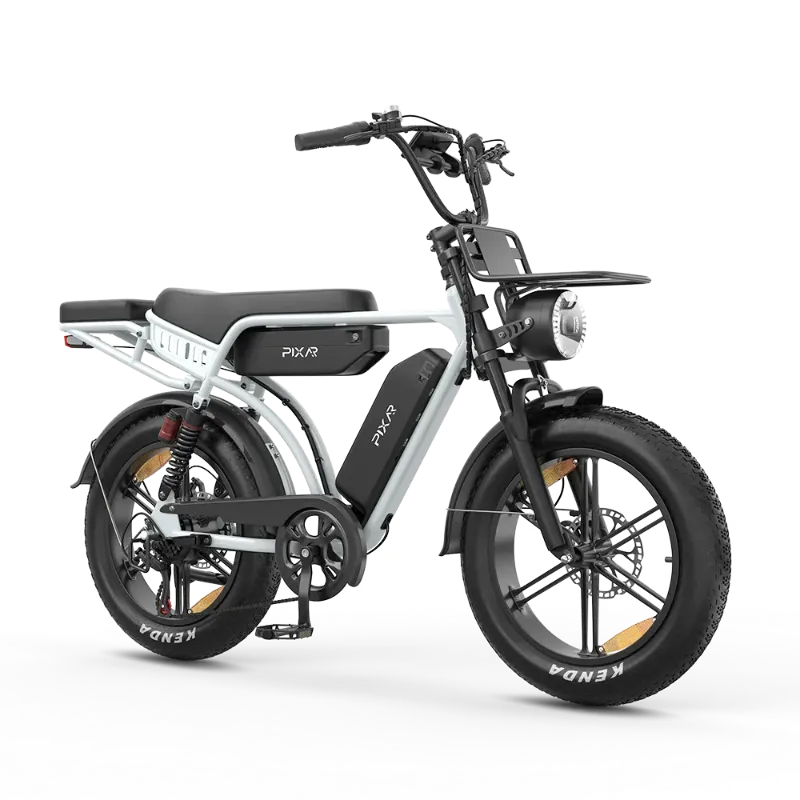
High-speed e-bikes deliver thrilling performance, but riding a 45 km/h model safely requires more than just knowing how to pedal. Our e bike speed guide breaks down why these faster classes demand rider training, legal compliance, and genuine skill development before you hit the road.
Understanding E-Bike Speed Classes and Legal Limits
E-bikes fall into distinct speed categories defined by law in most regions. A standard Class 2 e-bike typically caps at 25 km/h, while Class 3 models—and the high-performance options like the PIXAR e-bike and KTM e-bike—reach 45 km/h or beyond. The jump from 25 to 45 km/h is not just a number: it changes how the bike handles, how quickly it stops, and how much situational awareness you need.
In many European countries, a 45 km/h e-bike is classified as a moped or motorized vehicle, not a pedal-assist bicycle. This means you may need a license, insurance, and helmet certification to ride legally. Ignoring these rules can result in fines or your bike being impounded.
Why 45 Km/h Requires Rider Training
Riding at double the standard e-bike speed introduces new physics and new risks. At 45 km/h, your stopping distance nearly quadruples compared to a 25 km/h ride. Your reaction time remains the same, but the distance you travel during that reaction is dramatically longer. Braking power, weight distribution, and lean angles all demand practiced technique.
Entry-level riders often underestimate how much harder it is to balance, steer, and recover from mistakes at high speed. Gravel, potholes, and wet pavement become genuine hazards. A brief lapse in attention that might be forgivable at 20 km/h can lead to a crash at 45 km/h.
Professional e-bike schools and courses teach riders how to:
- Brake smoothly without locking the front or rear wheel
- Lean and corner safely at speed
- Read road conditions and anticipate hazards
- Manage fatigue on longer rides
- Handle emergency maneuvers without panic
Comparing Popular High-Speed E-Bikes
If you're committed to mastering speed-class e-bikes, consider these proven models:
| Model | Best For | Speed Class |
|---|---|---|
| PIXAR e-bike | Mixed terrain and daily commuting | 45 km/h |
| KTM e-bike | Off-road and aggressive riding | Up to 45 km/h |
| Decathlon e-bike | Budget-friendly entry to speed | 45 km/h |
| E-Bike Cube | All-terrain versatility | 45 km/h |
Each brings different geometry, motor placement, and suspension tuning. The PIXAR and KTM e-bikes, for example, emphasize stability at speed, while the Decathlon model focuses on accessibility for newer riders stepping up from slower classes.
Essential Safety Gear for High-Speed Riding
Speed demands protection. A standard bicycle helmet is often insufficient for 45 km/h impacts. Look for:
- Motorcycle-grade helmets or certified e-bike/moped helmets with better impact absorption
- Gloves designed to protect palms and fingers during slides
- Eye protection to keep wind and debris from affecting your vision
- Reflective clothing or lights for visibility, especially in low-light conditions
- Body armor or padded jackets for the torso and joints if you're learning off-road techniques
Even experienced cyclists upgrading from slower e-bikes often feel underprepared for the speed. Investing in real safety gear is not optional—it's the foundation of speed riding.
Legal Requirements and Registration
Before you grab the code and order a high-speed e-bike, verify your local regulations. Many regions require:
- A valid motor vehicle license or an e-bike-specific permit
- Third-party liability insurance
- Vehicle registration and identification plates
- Minimum age (often 16 or 18 for 45 km/h models)
- Mandatory helmet certification
Some countries treat 45 km/h e-bikes as mopeds, meaning you cannot ride them on bicycle paths. You must use roads and follow traffic rules as a motor vehicle. Non-compliance can result in fines, confiscation, or criminal charges in strict jurisdictions.
Organizations in your country often maintain updated guides to local e-bike law. Check before purchasing, not after.
Building Your Speed Riding Skills
Training is iterative. Start by:
- Taking a formal e-bike safety course from an accredited instructor
- Practicing on quiet roads before moving to busier traffic
- Testing your bike's brakes, handling, and weight distribution in a safe environment
- Riding with experienced riders who can offer real-time feedback
- Gradually increasing speed and complexity as your confidence grows
The KTM e-bike and Decathlon e-bike are popular choices among training riders because they balance performance with forgiveness. If you're new to high-speed e-bikes, these models and similar platforms offer a smoother learning curve than more aggressive machines.
Rider training is not a one-time event. Refresher courses, defensive riding workshops, and skill clinics help you stay sharp and adapt to changing road conditions or equipment updates.
Who Should Ride a 45 Km/h E-Bike
High-speed e-bikes are ideal for:
- Experienced cyclists moving up from slower classes
- Commuters covering longer distances quickly on mixed terrain
- Riders who've completed formal safety training and hold proper licensing
- Users in regions where 45 km/h e-bikes are fully legal and integrated into traffic laws
- People who value the performance and have the discipline to ride responsibly
If you're thrill-seeking without training, or if your local laws prohibit high-speed e-bikes, slower Class 2 models are genuinely sufficient and safer for your skill level.
Check the latest price on the PIXAR e-bike and review our discount code for full details on current offers before committing to a purchase. Speed and responsibility go hand in hand.
 Shopping at PIXAR E-Bike? See today's verified PIXAR E-Bike discount code
Frequently asked questions
Do I need a license to ride a 45 km/h e-bike?
In most European countries, yes. High-speed e-bikes are classified as motorized vehicles, not bicycles, and require a valid motor vehicle license or e-bike-specific permit. Some regions also mandate insurance and registration. Check your local transport authority before riding.
What's the difference between a 25 km/h and 45 km/h e bike speed guide approach?
At 45 km/h, braking distance quadruples, cornering requires more skill, and hazards become more dangerous. A 45 km/h e-bike demands formal training, better safety gear, and legal compliance—treating it as a motorized vehicle rather than a pedal-assist bike.
Is the KTM e-bike or PIXAR e-bike better for learning high-speed riding?
Both are solid trainers. The KTM e-bike excels in aggressive terrain, while the PIXAR e-bike balances stability and everyday comfort. Choose based on your intended riding environment and local availability.
What safety gear do I absolutely need for 45 km/h riding?
A motorcycle-grade or e-bike moped helmet is essential, plus gloves, eye protection, and reflective clothing. If riding off-road or learning, padded jackets and body armor reduce injury severity during falls.
Can I ride a 45 km/h e-bike on bicycle paths?
Usually no. High-speed e-bikes are classified as motor vehicles in most regions and must use roads and follow traffic laws like cars or motorcycles. Bicycle paths are off-limits. Always verify local regulations.
Where can I take an e-bike speed training course?
Local e-bike shops, motorcycle schools, and cycling organizations often offer courses. Many are accredited and teach braking, cornering, emergency handling, and legal compliance. Search for 'e-bike training' or 'moped rider course' in your area.