

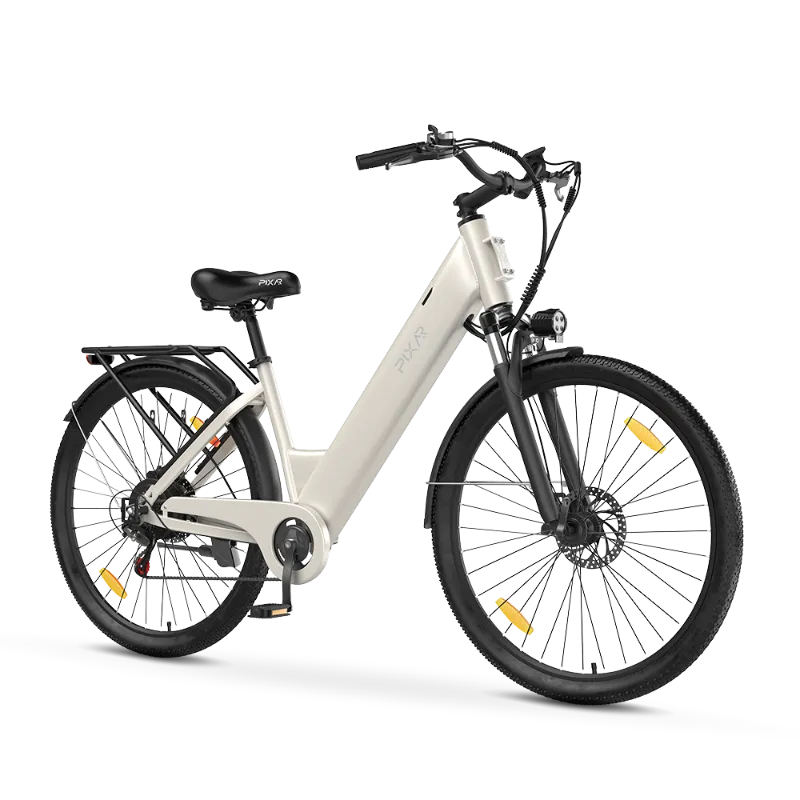
Ebike tuning bosch motors is one of the most effective ways to get more speed and acceleration from your e-bike without replacing core components. Bosch systems are engineered conservatively to meet legal limits in most markets, but their architecture allows for safe adjustments that boost power delivery and responsiveness. Whether you're riding an ebike cube, ktm ebike, decathlon ebike, or a standalone ebike tuning bosch kit, understanding your options ensures you get real gains without voiding warranty or breaking local regulations.
Understanding Bosch Motor Tuning Basics
Bosch e-bike motors come in several generations (Performance Line, Performance Line CX, and newer models), each with different firmware and power output capabilities. The motors are electronically limited to 25 km/h (EU) or 32 km/h (US) and typically cap power at 250W (EU) or 750W (US). Tuning works by either unlocking higher speed thresholds or increasing torque output, or both. The process typically involves changing firmware through a display interface, using a dedicated tuning dongle, or modifying the motor controller.
Types of Bosch E-Bike Tuning
- Firmware mods via display: Some newer Bosch systems allow speed and power adjustments directly in the on-bike display settings without additional hardware. This is the safest entry point.
- Speed dongles: Small hardware devices that trick the motor into thinking the wheel diameter is larger, effectively raising the speed ceiling. These are removable and don't permanently alter the bike.
- Motor controller remapping: More advanced option that reprograms the motor's power delivery and acceleration curve. Requires removing and reprogramming the controller.
- Chainring substitution: Swapping to a larger chainring changes the motor's effective gearing, boosting top speed at the expense of hill-climbing torque.
Performance Gains You Can Expect
Real-world tuning results depend on which method you choose and your motor generation. Speed dongle users typically see 40–50% increases in top speed (from 25 km/h to 35–38 km/h on EU models). Torque remapping can add 50–100 Nm of peak power, translating to quicker acceleration and better hill performance. Motor controller firmware updates may unlock an extra 10–20% efficiency and responsiveness.
These gains are not infinite; Bosch hardware has physical limits. Pushing beyond conservative estimates risks overheating the motor on sustained climbs or high-speed runs, especially in summer riding. Testing with check the latest price options from retailers ensures you're working with known, tested configurations.
Tools and Hardware You'll Need
For basic speed-limit adjustments, you only need access to your bike's display and possibly a laptop or mobile app. For physical tuning, prepare these items:
- Hex keys and screwdrivers (typically 4–6 mm) to access the motor and controller.
- A tuning dongle (if using this method) or reprogramming cable.
- Thermal paste or adhesive pads for reassembly.
- A torque wrench (optional but recommended for reassembly precision).
If you're less confident with hardware work, professional e-bike shops in your area often offer tuning services; grab the code and ask your local dealer if they offer setup packages that include tuning consultation.
Legal and Warranty Considerations
This is crucial: tuning your motor likely voids your manufacturer warranty. Most Bosch retailers and brands explicitly exclude damage or failure on tuned motors from warranty coverage. Legal status varies by region—EU member states generally permit 25 km/h e-bikes with 250W motors, but tuned systems may fall outside these definitions and face restrictions or fines if used on public roads.
Before committing, check local regulations and contact your bike retailer about warranty implications. Many riders keep their tuning reversible (dongles, firmware backups) so they can restore stock settings if needed. If you're buying a new e-bike and considering tuning, brands like ktm ebike and decathlon ebike often have aftermarket tuning communities with proven methods for their motor versions.
Step-by-Step: Firmware Tuning via Display
- Access your Bosch display settings. On most models, hold the MODE button for 3–5 seconds until a service menu appears.
- Navigate to "Motor Settings" or "Performance" (menu names vary by display version).
- Look for "Speed Limit," "Assist Level," or "Motor Power" options. Some displays only show these in hidden menus.
- Adjust the speed limit upward (if available) or unlock a higher assist mode. Document the original values before changing anything.
- Test on a flat, empty road. Accelerate gently and monitor for heat or unusual motor sounds.
- Ride for 10–15 minutes at varying cadences. If everything feels stable, you've successfully tuned your system.
If your display doesn't offer these settings, your motor generation likely requires a dongle or controller-level modification; consult an e-bike tuning specialist.
Tuning vs. Buying an Upgraded E-Bike
A fair question: is tuning worth the hassle, or should you just buy a higher-powered e-bike? Tuning costs €30–€300 and takes an afternoon of work or a shop visit. A new e-bike with better motor and more power costs several thousand euros. For riders who want 10–20% more speed and don't need the durability guarantees of a new system, tuning is economical. For riders hitting physical limits regularly (long climbs, heavy loads, frequent long-distance rides), a new bike with a larger motor (500W, 750W, or mid-motor systems) is safer and more reliable long-term.
Maintenance After Tuning
Tuned motors run hotter and may wear faster. After tuning:
- Clean motor vents regularly to prevent overheating.
- Check your battery range—tuning increases energy draw by 15–30%, shortening per-charge distance.
- Inspect brake pads frequently; higher speed means longer stopping distances and more heat buildup.
- Service your drivetrain more often. Added torque stresses chains and cassettes faster.
- Monitor motor temperature on long climbs; if it cuts out mid-ride, your system has thermal limits you're exceeding.
Proper maintenance keeps a tuned motor reliable for thousands of kilometers. Neglect, and you'll face premature failure and expensive repairs outside warranty.
Is Ebike Tuning Bosch Right for You?
Ebike tuning bosch makes sense if you're comfortable with technical adjustments, respect local laws, and understand the warranty and durability tradeoffs. It's ideal for riders who've owned their e-bike for 2+ years and want a performance refresh without the cost of upgrading. If you're brand new to e-bikes, want maximum reliability, or plan to resell your bike soon, tuning is unnecessary and may reduce its appeal to future buyers.
Start with display-level firmware adjustments if available—they're reversible, low-risk, and often sufficient. If you need more power, explore dongle options before committing to permanent controller remapping. And always consult your bike's manual and a trusted e-bike mechanic before making changes.
 Shopping at PIXAR E-Bike? See today's verified PIXAR E-Bike discount code
Frequently asked questions
Will ebike tuning bosch void my warranty?
Yes, in most cases. Bosch and e-bike manufacturers explicitly exclude tuned motors from warranty coverage. Any damage or failure after tuning is your responsibility. Check your bike's warranty terms before proceeding.
How much faster will my e-bike go after tuning?
Speed dongles typically add 10–15 km/h, bringing EU models from 25 km/h to 35–40 km/h. Firmware adjustments vary by motor generation; some add 5 km/h, others unlock 10 km/h or more. Actual gains depend on terrain, rider weight, and motor type.
Can I tune a Bosch motor on an ebike cube or ktm ebike the same way?
Most likely yes, since both brands use Bosch motors, but motor generation matters. Older Performance Line motors tune differently than newer CX or SX models. Check your specific motor version in the display settings before buying tuning hardware.
Is ebike tuning bosch legal where I live?
It depends on your country. EU law limits e-bikes to 25 km/h and 250W; tuned systems may exceed these limits and be illegal on public roads. US regulations vary by state. Always check local laws before tuning and riding.
Can I reverse the tuning if I need to?
Speed dongles are easily removable. Firmware changes can usually be reset to factory settings if you have a backup. Controller remapping is harder to undo; consult a technician if you want to reverse permanent changes.
What happens to my battery range after tuning?
Tuned motors draw 15–30% more energy, reducing per-charge range proportionally. A 60 km range might drop to 45–50 km. Higher speeds also mean more wind resistance, compounding the energy loss.