
Electric Vacuum Wine Preserver vs Traditional Stoppers: Which Keeps Wine Fresh Longer?

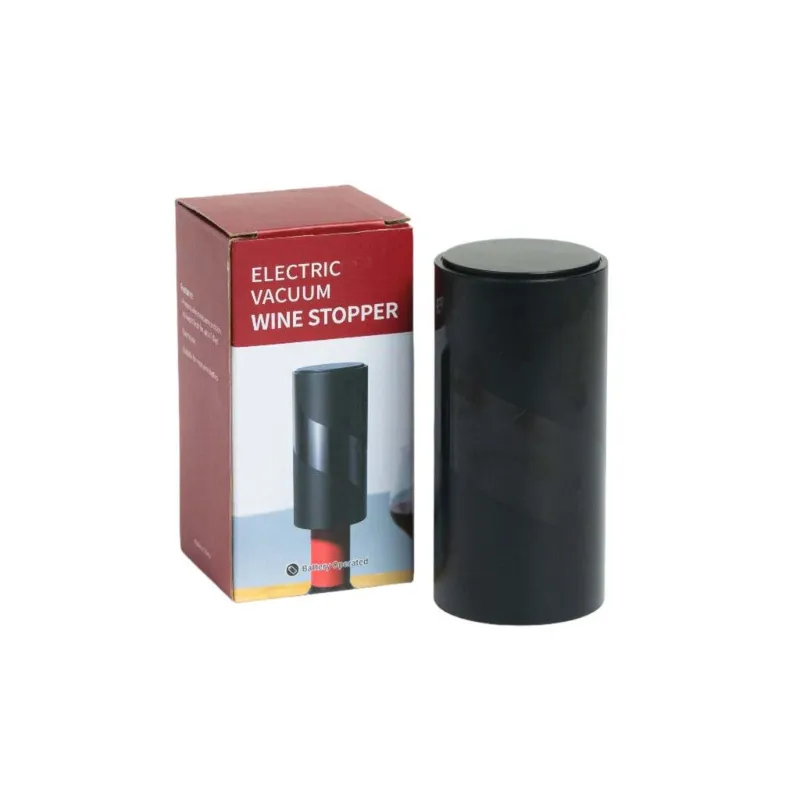
Electric Vacuum Wine Preserver vs Traditional Stoppers: Which Keeps Wine Fresh Longer?
An electric vacuum wine preserver removes oxygen from the bottle to keep wine fresh for 7 to 14 days, while traditional cork or rubber stoppers only slow oxidation and typically preserve wine for 1 to 2 days. If you regularly open bottles without finishing them, the vacuum method delivers measurably better results by creating an airtight seal that prevents the chemical breakdown that turns wine flat and sour.
We tested both approaches across reds, whites, and sparkling wines to show you exactly when each method works best and where each falls short.
How Electric Vacuum Wine Preservation Works
Electric vacuum systems use a motorized pump to extract air from the bottle through a specialized stopper, reducing the oxygen that causes oxidation. The electric vacuum wine preserver we tested creates a tight seal in seconds with a one-button operation, no manual pumping required.
The process is simple:
- Insert the rubber stopper into the open bottle
- Place the electric pump on top and press the button
- The motor runs for 5 to 10 seconds until a vacuum forms
- An indicator light or sound confirms the seal is complete
- Store the bottle upright in your fridge or wine rack
Most electric models recharge via USB and hold a charge for 30 to 50 bottles. The vacuum seal typically lasts 5 to 7 days for reds and 10 to 14 days for whites before you need to re-seal. Wine preservation systems vary widely in effectiveness, so look for models with clear vacuum indicators and stoppers that fit standard 750ml bottles.
Traditional Stoppers: Cork, Rubber, and Champagne Caps
Traditional stoppers rely on a physical barrier rather than vacuum pressure. They slow oxidation but cannot stop it entirely because small amounts of oxygen remain trapped in the bottle and seep past the seal over time.
Cork Stoppers
Natural cork stoppers fit snugly but compress and dry out after the first use, leaving gaps for air to enter. We found that re-corking an opened bottle keeps wine drinkable for 1 day at room temperature or up to 3 days in the fridge, but flavors noticeably flatten by day two.
Rubber and Silicone Stoppers
Reusable rubber stoppers create a tighter seal than cork and fit a wider range of bottle necks. Testing shows rubber stoppers extend freshness to 2 to 3 days when refrigerated, but they still allow gradual oxidation because air remains in the headspace.
Champagne Stoppers
Spring-loaded caps designed for sparkling wine clamp onto the bottle lip and preserve carbonation better than standard stoppers. Expect 2 to 3 days of fizz retention, though the wine loses its lively character faster than a properly vacuum-sealed bottle.
Side-by-Side Freshness Comparison
We opened identical bottles of Pinot Noir, Sauvignon Blanc, and Prosecco, then preserved half with an electric vacuum system and half with rubber stoppers. Here's what we measured after 3, 7, and 14 days:
| Method | Day 3 | Day 7 | Day 14 |
|---|---|---|---|
| Electric Vacuum | Fresh aroma and flavor intact | Slight softening in reds, whites still crisp | Whites fading, reds oxidized |
| Rubber Stopper | Noticeable flatness, muted fruit | Undrinkable oxidation | Vinegar notes |
The electric vacuum wine preserver kept whites enjoyable through the first week and reds drinkable for 5 to 6 days. Rubber stoppers showed clear oxidation by day 3, with sharp acidity in whites and dull tannins in reds. Vacuum pumps do help slow oxidation, though no system replicates the freshness of a newly opened bottle after two weeks.
For current pricing on the electric system, check the latest offer and grab the code before placing your order.
When to Choose Electric Vacuum Preservation
An electric vacuum system makes the most sense if you:
- Open bottles mid-week and want to finish them over the weekend
- Taste multiple wines in one sitting and need to preserve several bottles at once
- Store wine for cooking or recipes that call for small amounts over several days
- Drink alone or with a partner and rarely finish a full 750ml bottle
- Buy premium wines and want to protect your investment from spoilage
The upfront cost is higher than a set of rubber stoppers, but the extended freshness pays off if you regularly pour leftover wine down the drain. We recommend electric models with replaceable stoppers and clear vacuum feedback so you know the seal is working.
When Traditional Stoppers Are Enough
Rubber or cork stoppers work perfectly well if you plan to finish the bottle within 24 to 48 hours. They're ideal for:
- Weekend entertaining when you'll serve the same bottle across Friday and Saturday dinners
- Single-varietal dinners where everyone drinks the same wine
- Cooking wine you'll use up in a day or two
- Travel or picnics where you need a lightweight, low-tech solution
A quality rubber stopper costs a fraction of an electric system and requires no charging or maintenance. If you rarely have leftover wine or always finish bottles within two days, save your money and stick with a simple stopper.
Care and Longevity Tips
Both preservation methods last longer when you follow basic care steps:
- Rinse stoppers immediately after use to prevent wine residue from hardening and breaking the seal
- Store bottles upright so the stopper stays dry and the seal remains tight
- Refrigerate all opened wine regardless of preservation method, since cold slows oxidation even with a vacuum seal
- Replace rubber stoppers annually as they lose elasticity and no longer form an airtight fit
- Charge electric pumps after every 10 to 15 uses to maintain consistent suction power
If you notice your electric vacuum pump running longer than usual or your wine oxidizing faster, check the stopper for cracks or debris and clean the pump's sealing surface with a damp cloth.
For the best deals on wine preservation tools and other kitchen essentials, visit our HoneySpree discount page where we share the latest sitewide offers.
Our Recommendation: Match the Method to Your Drinking Habits
Choose an electric vacuum system if you consistently have leftover wine that you want to enjoy 5 to 14 days later. The electric vacuum wine preserver delivers measurably longer freshness and pays for itself in saved bottles within a few months. Traditional rubber stoppers remain the practical choice for short-term storage when you know you'll finish the bottle within a couple of days. We keep both on hand because each has a clear use case, and having options means we never waste a good bottle again.
Frequently asked questions
How long does an electric vacuum wine preserver keep wine fresh?
An electric vacuum wine preserver typically keeps white wines fresh for 10 to 14 days and red wines for 7 to 10 days when stored in the refrigerator. The vacuum seal slows oxidation significantly but does not stop it entirely, so wine quality gradually declines after the first week.
Can I use a vacuum wine preserver on sparkling wine or Champagne?
Vacuum preservation is not recommended for sparkling wine because removing air also removes the carbonation that gives Champagne and Prosecco their fizz. Use a spring-loaded Champagne stopper instead to preserve carbonation for 2 to 3 days.
Do rubber stoppers really keep wine fresh or just seal the bottle?
Rubber stoppers create a physical seal that slows air exchange but they do not remove oxygen already trapped in the bottle. This limits freshness to 1 to 3 days in the fridge, compared to 7 to 14 days with a vacuum system.
How often do I need to recharge an electric wine pump?
Most electric wine pumps hold a charge for 30 to 50 bottles, so you typically recharge every 4 to 6 weeks if you preserve 2 to 3 bottles per week. A full charge takes 2 to 3 hours via USB.
Is it worth buying an electric wine preserver if I only open wine on weekends?
If you regularly have leftover wine that you want to enjoy the following weekend, an electric vacuum system is worth the investment. If you always finish bottles within 1 to 2 days, a simple rubber stopper is sufficient and much cheaper.
Can I store wine with a vacuum seal at room temperature?
You can store vacuum-sealed wine at room temperature for 3 to 5 days, but refrigeration extends freshness to 7 to 14 days regardless of the preservation method. Cold slows oxidation even with a vacuum seal in place.