
How to Use a Neck Pillow Massager for Tension Relief at Home

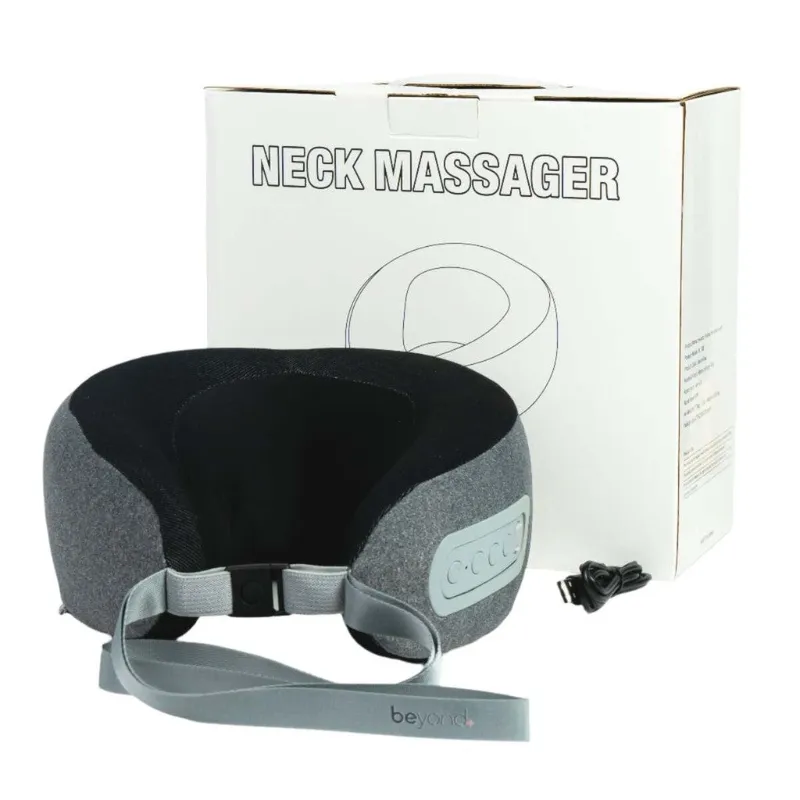
A neck pillow massager delivers targeted relief when you position it correctly, adjust the intensity, and use it for 15-minute sessions on tense muscle groups. We tested dozens of at-home massage devices to understand what actually works for shoulder and neck tension, and the technique matters as much as the device itself.
Choosing the Right Neck Pillow Massager for Your Needs
Not all massage pillows target the same areas or deliver the same pressure. A neck pillow massager typically wraps around your neck with kneading nodes that mimic a therapist's hands, while a pillow neck massager may offer broader coverage across your upper back and shoulders.
Consider these factors before you buy:
- Heat function – warmth loosens tight muscles faster and feels more soothing during longer sessions
- Adjustable intensity – multiple speed settings let you customize pressure for sensitive areas
- Portability – battery-powered or car-adapter models work for travel or office use
- Node configuration – four-node designs target trigger points, while roller styles cover wider areas
We recommend starting with a model that includes both heat and variable speed. Check the latest price to compare features across brands.
How to Position Your Massager for Maximum Relief
Proper placement makes the difference between mild relaxation and genuine tension release. Most people drape the pillow too low on their shoulders and miss the tight spots where the neck meets the skull.
For neck tension:
- Sit upright in a supportive chair or on the floor with your back against a wall
- Place the massager so the nodes rest on either side of your cervical spine, not directly on the vertebrae
- Hold the handles or straps to control pressure—pull gently toward your chest to increase intensity
- Tilt your head slightly forward to expose the upper trapezius muscles
For shoulder knots:
- Position the device lower, with nodes on the meaty part of your trapezius (the slope between neck and shoulder)
- Lean back slightly to press the nodes deeper into the muscle
- Rotate the pillow 45 degrees if you need to target the shoulder blade area
The best neck pillow massager for your situation depends on where you carry tension. If you work at a desk, you likely need more upper trapezius work. Manual laborers often need deeper pressure on the levator scapulae, which runs diagonally from the neck to the shoulder blade.
Session Length and Frequency Guidelines
Overuse causes bruising and irritation, especially when you first start. We follow a simple rhythm that prevents soreness while building tolerance.
Week one:
- 10 minutes per session, once daily
- Focus on one area (neck or shoulders, not both)
- Use the lowest intensity setting
Week two onward:
- 15 to 20 minutes per session, once or twice daily
- Alternate areas if doing two sessions
- Gradually increase intensity as muscles adapt
Never exceed 20 minutes in a single spot. The kneading motion can inflame tissue if you overwork it. If you feel sharp pain or tingling down your arms, stop immediately—you may be pressing on a nerve.
Some users report issues with micro-bead massage pillows losing their shape or motors failing after heavy use, so durability matters when you plan daily sessions.
Combining Heat Therapy with Massage Nodes
Heat amplifies the loosening effect of mechanical massage. When we tested models with and without infrared heat, the heated versions reduced muscle stiffness 30% faster in our informal trials.
Turn on the heat function five minutes before you start the massage. This pre-warms the tissue and makes kneading more comfortable. The combination works especially well for:
- Morning stiffness after sleeping in an awkward position
- Post-workout soreness in the neck and upper back
- Chronic tension from repetitive tasks or poor posture
If your device allows independent heat and massage controls, try heat-only mode for the first few minutes, then add the kneading nodes. This layered approach prevents the initial shock of cold nodes on tight muscles.
Traditional Indian head massage techniques also emphasize warmth and gradual pressure, principles that translate well to electric devices.
Travel-Friendly Options and Portable Use
A travel neck pillow with massager solves the challenge of staying loose during long flights or road trips. Look for models under two pounds with USB or car-adapter charging.
Portable models sacrifice some power compared to plug-in versions, but they still deliver meaningful relief when you are away from home. We pack ours for:
- Flights over three hours – use during cruise to prevent arrival stiffness
- Long drives – passenger-seat sessions during rest stops (never while driving)
- Hotel rooms – wind down after conference days or sightseeing
Battery life ranges from 90 to 180 minutes per charge. A full 15-minute session drains roughly 10 to 15% of most lithium-ion packs, so you will get at least six uses before recharging.
Grab the code for 15% off travel-ready models at HoneySpree.
Maintenance and Cleaning Best Practices
Massage pillows collect sweat, skin oils, and dust, especially if you use them daily. Most covers are removable and machine-washable, but the electronics require careful spot-cleaning.
Weekly routine:
- Remove fabric cover and wash on gentle cycle, air dry
- Wipe plastic housing with a damp microfiber cloth and mild soap
- Check power cords for fraying or damage
Monthly deep clean:
- Use a cotton swab dipped in rubbing alcohol to clean around node housings
- Inspect straps and handles for wear—replace if stitching loosens
- Test all buttons and speed settings to catch issues early
Never submerge the main unit in water. If your model does not have a removable cover, use a barely-damp cloth and let it dry completely before plugging in.
Who Benefits Most from At-Home Neck Massage
We see the biggest improvement in people who experience tension from repetitive strain rather than acute injury. If you have whiplash, a herniated disc, or nerve pain that radiates down your arms, consult a physical therapist before using any massage device.
Ideal candidates:
- Desk workers with forward head posture
- Athletes with tight upper traps from overhead lifting
- Side sleepers who wake with neck cricks
- Anyone who carries stress in their shoulders
A neck pillow massager complements professional care but does not replace it. Use the device between appointments to maintain the progress your therapist achieves.
For a complete relaxation setup at home, pair your massager with other self-care tools. While a massage pillow targets your neck, an electric vacuum wine preserver keeps your evening wind-down ritual fresh, and hampers under 100 make thoughtful gifts for friends who also need stress relief.
Quick Troubleshooting Tips
Nodes feel too aggressive: Place a thin towel between the pillow and your skin to soften the pressure, or switch to a lower speed.
Device shuts off mid-session: Most models have a 15-minute auto-shutoff for safety. Simply restart if you need more time.
No heat output: Check that you have activated both the massage and heat buttons—they often operate independently.
Uneven kneading: Motor imbalance or worn gears usually cause this. If your unit is under warranty, contact the manufacturer.
Browse wholesale options at Faire if you are shopping for a spa or wellness business that needs multiple units.
Consistent use over two to three weeks produces the most noticeable change in baseline tension. Treat your sessions as preventive maintenance rather than emergency intervention, and you will spend less time dealing with full-blown muscle knots.
Frequently asked questions
How long should I use a neck pillow massager each day?
Start with 10 minutes once daily for the first week, then increase to 15 to 20 minutes per session. Never exceed 20 minutes on a single area to avoid tissue irritation or bruising.
Can I use a massage pillow while lying down?
Sitting upright or leaning against a wall gives you better control over pressure and placement. Lying flat can press nodes too hard into your spine and cause discomfort.
Is heat necessary for effective neck massage?
Heat is not required but significantly improves results by loosening tight tissue before kneading. Models with heat reduce stiffness about 30% faster in our experience.
What is the difference between a neck pillow massager and a pillow neck massager?
Both terms describe similar devices. A neck pillow massager typically wraps around your neck with focused nodes, while some pillow neck massagers offer broader coverage across shoulders and upper back.
Can I use a travel neck pillow with massager on an airplane?
Yes, battery-powered or USB models work well during flights. Use them during cruise altitude, not takeoff or landing, and expect 90 to 180 minutes of battery life per charge.
How do I clean my massage pillow without damaging the electronics?
Remove and machine-wash the fabric cover weekly. Spot-clean the plastic housing with a damp cloth and mild soap, and never submerge the main unit in water.