
UVPoxy vs FlowCast: Which EcoPoxy Resin Should You Use for Coating or Casting?

Epoxy casting resin is the right choice when your project needs depth, while UVPoxy is the better EcoPoxy pick for thin, glossy coatings. In EcoPoxy terms, that usually means choosing FlowCast for river tables, deep pours, and molds, and choosing UVPoxy for bar tops, counters, art panels, and protective surface coats. If you are ordering soon, check EcoPoxy’s current offer and grab the code before you buy.
Epoxy casting resin vs UVPoxy: the quick answer
The main difference is pour depth and job type. FlowCast is made for casting, where the resin needs time to release bubbles and cure through a thicker mass. UVPoxy is made for coating, where the resin is spread in a thin layer and leveled into a durable, glossy surface.
| Use case | Better EcoPoxy pick | Why |
|---|---|---|
| River table or live-edge slab | FlowCast | Built for deep casting and larger pours |
| Bar top, countertop, or tabletop coat | UVPoxy | Designed for thin, clear surface protection |
| Mold casting with embedded objects | FlowCast | Gives more working time for placement and bubble release |
| Sealing art, photos, or wood surfaces | UVPoxy | Levels into a high-gloss coating |
This is the practical version of the broader casting resin vs epoxy resin question. Both are epoxy systems, but they are formulated for different thicknesses, cure behavior, and working styles. For background on the process, resin casting is the general method of pouring liquid resin into a form so it cures into a solid shape.
When to use FlowCast for deep pours and molds
Use FlowCast when the resin itself is part of the structure, not just a topcoat. It is the EcoPoxy product we would start with for deep river-table voids, thick decorative pours, and casting projects where clarity matters.
Good FlowCast projects include:
- River tables with live-edge wood
- Deep knot, crack, or void filling
- Clear casting resin projects with embedded shells, stones, labels, or keepsakes
- Larger epoxy casting molds where a thin coating resin would not be appropriate
- Wood-and-resin boards, panels, and furniture accents
If you are searching for the best epoxy casting resin for wood, focus less on marketing claims and more on the actual pour requirements: depth, total volume, temperature, mold material, and whether the piece needs to stay clear or be tinted. FlowCast is especially relevant when people search for ecoPoxy flow cast because they are usually trying to confirm they are buying the casting version, not the coating version.
A few buying checks before you order:
- Read the product instructions for recommended pour thickness and curing conditions.
- Make sure your mold or form is sealed before mixing.
- Calculate volume carefully so you do not run short mid-pour.
- Use the store page to verify current kit options and availability instead of relying on old pricing screenshots.
If you are comparing sizes or waiting for a sale, check the latest price through our EcoPoxy coupon page.
When UVPoxy is the smarter coating resin
UVPoxy is the better choice when you want a clear, glossy protective layer over a surface. Think of it as a coating system rather than a deep casting system. It is commonly used where the resin needs to self-level across a prepared surface and cure into a durable finish.
Use UVPoxy for:
- Tabletops and bar tops
- Countertop-style coating projects
- Art panels and photo coatings
- Sealing wood surfaces before final use
- Thin decorative layers with pigment or metallic effects
UVPoxy is also the product we would look at when the project needs a clean finish over a broad area. A deep casting resin can be too slow or too thinly formulated for some coating jobs, while a coating epoxy can create heat, bubbles, or cure problems if poured too thick. Matching the formula to the job is the most important decision.
Surface prep matters just as much as the resin:
- Sand and clean the substrate so the coating can bond.
- Keep dust, hair, and lint away from the wet surface.
- Use a level work area.
- Protect the piece during cure.
- Follow EcoPoxy’s mixing and application instructions exactly.
Pigments, colored epoxy, and metallic effects
Both casting and coating projects can be tinted, but the visual result changes with depth. A small amount of color in a deep pour can look rich and dimensional, while the same pigment in a thin coat may appear more subtle.
For color, EcoPoxy shoppers usually compare epoxy resin pigment, metallic epoxy pigment, and colored epoxy options. The right choice depends on whether you want transparent tint, opaque color, shimmer, or a dramatic marble effect.
Practical pigment tips:
- Test color in a small batch before committing to a large pour.
- Add pigment gradually so you do not overload the mix.
- Remember that wood tone affects the final look.
- Use metallic pigment when you want movement, depth, and veining.
- Keep notes on your mix so you can repeat the effect later.
For river tables, metallic colorants can create a flowing look through the center channel. For countertops or art panels, they can be moved with a spreader, brush, or controlled airflow to create veining. In molds, pigments can settle or swirl differently depending on viscosity and timing, so small tests are worth the extra effort.
Materials that make casting cleaner
The resin is only one part of a successful pour. Deep casting also depends on your form, release method, seal quality, room conditions, and cleanup plan.
Useful supporting materials may include:
- Melamine, HDPE, silicone, or other suitable mold materials
- Mold release where appropriate
- Mixing buckets with clear volume marks
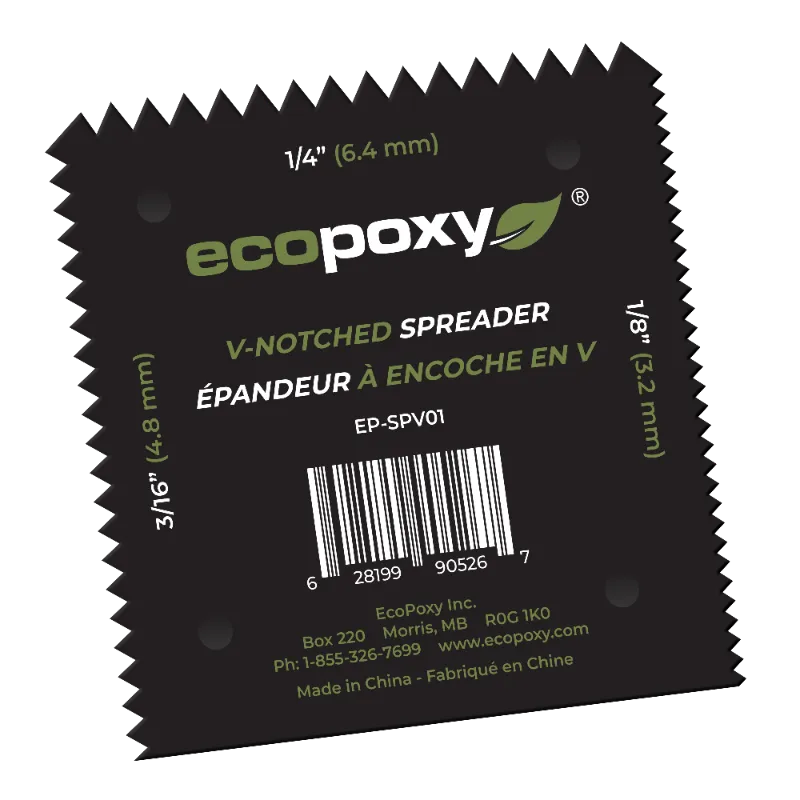
- Stir sticks and spreaders
- Gloves, eye protection, and drop cloths
- A level work surface
- epoxy tape for temporary sealing and layout tasks
If you are making epoxy casting molds, take extra time to seal every seam. Resin finds small gaps quickly, and a leak during a large pour is expensive and stressful. Many failed casting projects are not caused by the resin itself but by an unsealed form, inaccurate measuring, or rushed mixing.
Temperature is another big variable. A cold shop can slow curing and affect bubble release, while a hot environment can shorten working time. Always follow the product label and technical guidance for the resin you choose. For more general background on how different systems are used, this overview of casting resins is a helpful primer.
FlowCast vs UVPoxy vs other EcoPoxy products
FlowCast and UVPoxy cover the two most common resin jobs, but EcoPoxy’s broader lineup includes more specialized products. Products like bipoxy 36 and schoproxy may fit specific professional or construction-style needs, but most DIY buyers deciding between a coating and a casting project should start by identifying pour depth and finish type.
| Product | Best fit | Not ideal for |
|---|---|---|
| FlowCast | Deep pours, river tables, mold casting | Thin topcoats where a coating resin is preferred |
| UVPoxy | Glossy surface coatings, bar tops, art panels | Deep castings or thick enclosed pours |
| Pigments | Adding color, shimmer, or opacity | Fixing poor prep or wrong resin choice |
| Specialty epoxies | Project-specific bonding or repair needs | Guessing without checking the technical use case |
If your search is “epoxy casting resin near me,” remember that local availability is only one factor. You still need the correct product for the job. Buying the wrong resin locally is not a bargain if it cures poorly, overheats, yellows from misuse, or fails to level.
How to choose before you buy
Use this simple decision path:
- If the resin will be poured deep into a form, void, river channel, or mold, choose FlowCast.
- If the resin will be spread as a thin protective surface coat, choose UVPoxy.
- If the project needs color, choose pigment based on opacity, transparency, or metallic effect.
- If you are bonding, repairing, or doing a specialized build, read the product page for bipoxy 36, schoproxy, or the relevant EcoPoxy specialty product.
- If price matters, use the current EcoPoxy coupon page rather than assuming a past discount is still active.
Our practical recommendation is straightforward: buy FlowCast for casting, buy UVPoxy for coating, and do not substitute one for the other just because it is in stock. For a river table or the best casting resin for molds, FlowCast is the EcoPoxy lane to start in. For a clear, durable tabletop finish, UVPoxy is the more logical pick.
Before checkout, verify the current product details, kit size, and coupon status. You can use our EcoPoxy code page to see the latest store offer and then choose the resin that matches your project instead of forcing the project to match the resin.
Frequently asked questions
Is FlowCast better than UVPoxy for a river table?
Use FlowCast for deeper pours, river tables, void filling, and mold projects. Use UVPoxy when you need a thin, glossy coating over a prepared surface.
Can I use UVPoxy as an epoxy casting resin?
No. UVPoxy is designed as a coating epoxy, not a deep casting product. For thick pours or molds, FlowCast is the better EcoPoxy starting point.
Can I add epoxy resin pigment to FlowCast?
Yes, FlowCast can be tinted with compatible EcoPoxy pigments. Test a small batch first because color strength changes with pour depth and wood tone.
When should I use metallic epoxy pigment?
Metallic epoxy pigment is ideal when you want shimmer, movement, or veining effects. It is popular in river tables, art panels, and decorative coating work.
Is FlowCast good for epoxy casting molds?
It can be, as long as the mold is properly sealed, level, and compatible with the resin. Always follow the product instructions for mixing, curing conditions, and pour guidance.