
Flare Leggings vs Regular Leggings: Which Style Flatters Your Body Type?

Flare Leggings vs Regular Leggings: Which Style Flatters Your Body Type?
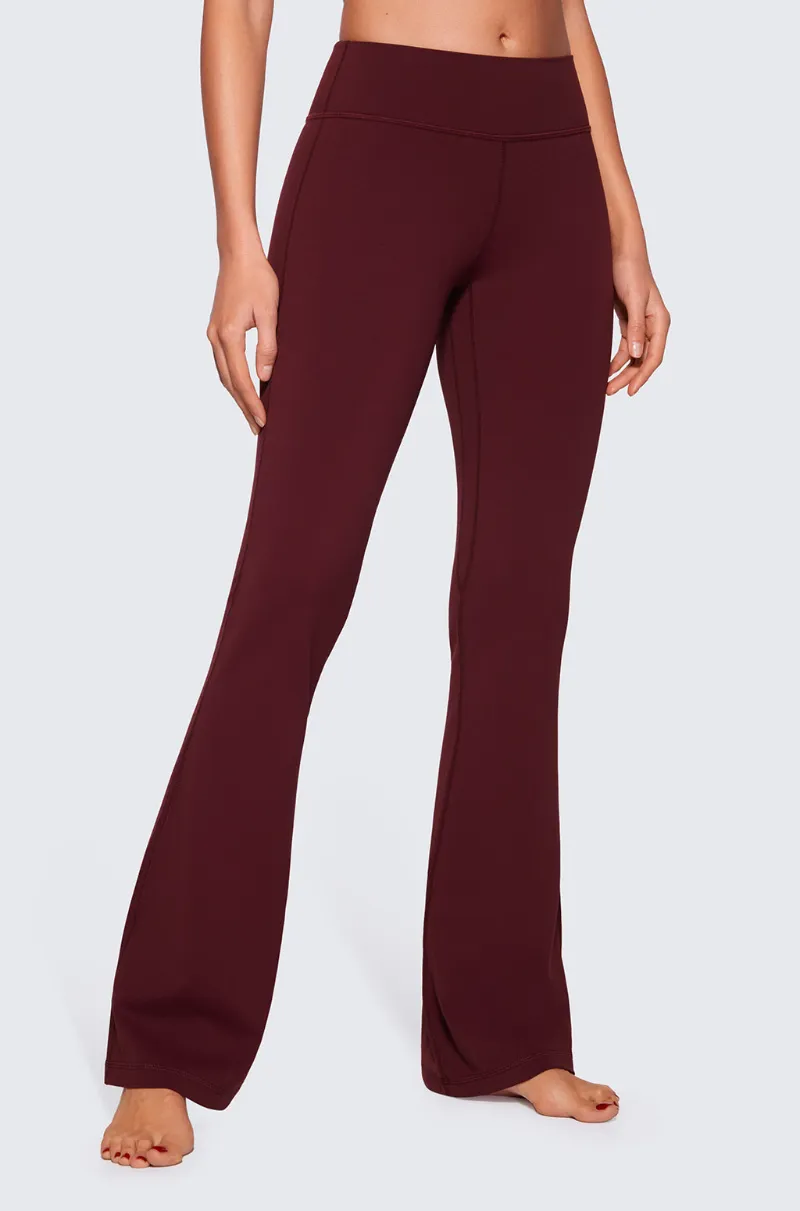
Flare leggings create visual balance by widening from the knee down, while regular leggings offer a streamlined column that works across all body types. The right choice depends on your proportions, preferred activities, and how you want to style your wardrobe. We tested both silhouettes to help you decide which flatters your shape and meets your needs.
Both styles have their place in a modern closet. Regular leggings remain the go-to for high-intensity workouts and layering under tunics, while flared styles bring a retro-inspired silhouette that elongates legs and balances wider hips or shoulders. The difference is more than aesthetic—each cut interacts with your body differently and serves distinct styling purposes.
How Flare Leggings Change Your Proportions
The flare starts at or just below the knee and widens toward the ankle, creating an A-line shape from the thigh down. This silhouette visually balances curves at the hip and thigh by drawing the eye downward and outward. If you carry weight through your midsection or hips, the flare prevents the "skinny jeans" effect where tight fabric clings all the way to the ankle.
Flared cuts work especially well for:
- Pear and hourglass shapes who want to balance fuller hips with a wider hemline
- Athletic builds seeking to add curves and soften a straight silhouette
- Petite frames when paired with heels or platform sneakers to elongate the leg line
- Anyone with muscular calves who finds regular leggings constricting at the lower leg
The flare leggings we tested pair beautifully with fitted tops like a yoga bra or tucked tee, which keeps your upper body streamlined and lets the flare create movement. Major retailers like Lululemon and Aerie have expanded their flare collections in recent years, reflecting the style's growing popularity.
When Regular Leggings Are the Better Choice
Regular leggings maintain a consistent slim fit from waist to ankle, which makes them incredibly versatile. This silhouette works for every body type because it creates a clean vertical line without adding volume. If you have a shorter torso or longer legs, regular leggings won't visually cut your proportions the way a flare might.
Regular leggings excel in these situations:
- High-impact workouts where excess fabric would interfere with movement
- Layering under dresses, skirts, or long sweaters without bulk at the hem
- Tall or long-legged frames that don't need additional lengthening
- Minimalist wardrobes where one legging style needs to do everything
For colder months, fleece lined sweatpants offer the same streamlined fit with added warmth. Pair regular leggings with wireless bras or a lace bra under loose tops for a balanced casual look, or style them with oversized hoodies for athleisure comfort.
Fabric and Fit Considerations for Each Style
Material choice affects how each silhouette performs. Flare leggings typically require a fabric with enough structure to hold the flare shape—look for blends with spandex or elastane that won't collapse against your leg. Cotton flare leggings offer breathability but may lose their shape after multiple wears, while performance fabrics maintain the flare through washing.
Regular leggings offer more fabric flexibility:
- High compression fabrics smooth and support without the flare adding visual weight
- Lightweight jersey or modal works for loungewear without needing to maintain a specific shape
- Moisture-wicking blends keep you dry during intense training sessions
Both styles benefit from a fold-over waistband option, which lets you adjust rise and coverage based on your torso length. When shopping, check the latest price and available fabric options to find the right blend for your climate and activity level.
Styling Each Silhouette for Different Occasions
Flare leggings bring a retro, bohemian vibe that pairs naturally with platform sandals, wedges, or chunky sneakers. The extra volume at the hem balances chunkier footwear better than regular leggings, which can look disproportionate with wide-soled shoes. For a polished casual look, combine flares with a fitted blazer and ankle boots.
Regular leggings adapt to more styling scenarios:
- Athleisure: pair with a cropped hoodie and sleek trainers
- Errand-running: layer under a longline cardigan with slip-on sneakers
- Lounge: style with an oversized tee and cozy socks
- Transitional seasons: wear under midi skirts or shirt dresses
Both styles work with supportive undergarments like wire free bras or an unwired bra that won't create lines under fitted tops. If you're building a capsule activewear wardrobe, start with regular leggings for their versatility, then add a flare pair once you know your preferred rise and fabric weight.
Comparing the Two Styles Side by Side
| Feature | Flare Leggings | Regular Leggings |
|---|---|---|
| Best for body types | Pear, hourglass, athletic | Universal, especially apple and rectangle |
| Ideal activities | Yoga, barre, casual wear | HIIT, running, layering, everything |
| Shoe pairings | Platforms, wedges, chunky sneakers | Any footwear style |
| Styling versatility | Moderate (statement piece) | High (wardrobe staple) |
According to testing by InStyle, the best flare leggings balance structure with stretch, maintaining their shape through multiple wears while allowing full range of motion. Regular leggings prioritize compression and moisture management, making them the safer first purchase if you're unsure which style suits your lifestyle.
Finding the Right Fit and Where to Save
Try both styles in your usual legging size, but expect flares to fit differently through the leg. Some brands run large through the calf and ankle, so check return policies before ordering online. Look for options with at least 15 percent spandex content to prevent sagging at the knee, where both styles experience the most stress.
When you're ready to invest in either silhouette, grab the code for 10 percent off sitewide at Essenther, where you'll find both flare and regular leggings in various rises and fabrics. The discount applies to complementary pieces like brassiere support styles and high rise thong underwear that won't show lines under fitted waistbands.
Most shoppers benefit from owning both styles. Keep regular leggings as your workout and layering foundation, then add flares when you want to create visual interest or balance your proportions for casual outings. Neither style is inherently more flattering—it's about understanding how each interacts with your unique shape and styling needs.
Frequently asked questions
Do flare leggings make your legs look longer?
Yes, when paired with heels or platform shoes. The flare draws the eye downward and creates a continuous line from hip to floor, especially effective for petite frames or anyone wanting to elongate their lower body.
Can I wear flare leggings to the gym?
You can for low-impact activities like yoga, Pilates, or barre. Avoid them for running or HIIT workouts where the extra fabric may catch on equipment or interfere with fast footwork.
What body type should avoid flare leggings?
No body type needs to avoid them entirely, but very petite frames under 5'2" may find the flare overwhelms their proportions unless hemmed or paired with heels. Try them on to see how the flare falls on your leg.
Are regular leggings better for layering in winter?
Yes, because they fit smoothly under boots and don't add bulk at the ankle. Fleece-lined regular leggings or thick ponte styles provide warmth without the extra fabric of a flare.
How do I keep flare leggings from dragging on the ground?
Choose a length designed for your height or have them hemmed. Pair them with shoes that have at least a small heel or platform to lift the hem off the floor, preventing fraying and dirt buildup.
Which legging style hides cellulite better?
Both work equally well if made from high-compression fabric. Flare leggings may draw attention away from the thigh area by adding volume at the calf, while regular leggings with strategic seaming or texture can also camouflage texture.