
How to Find a Comfortable Lace Nursing Bra That Actually Fits

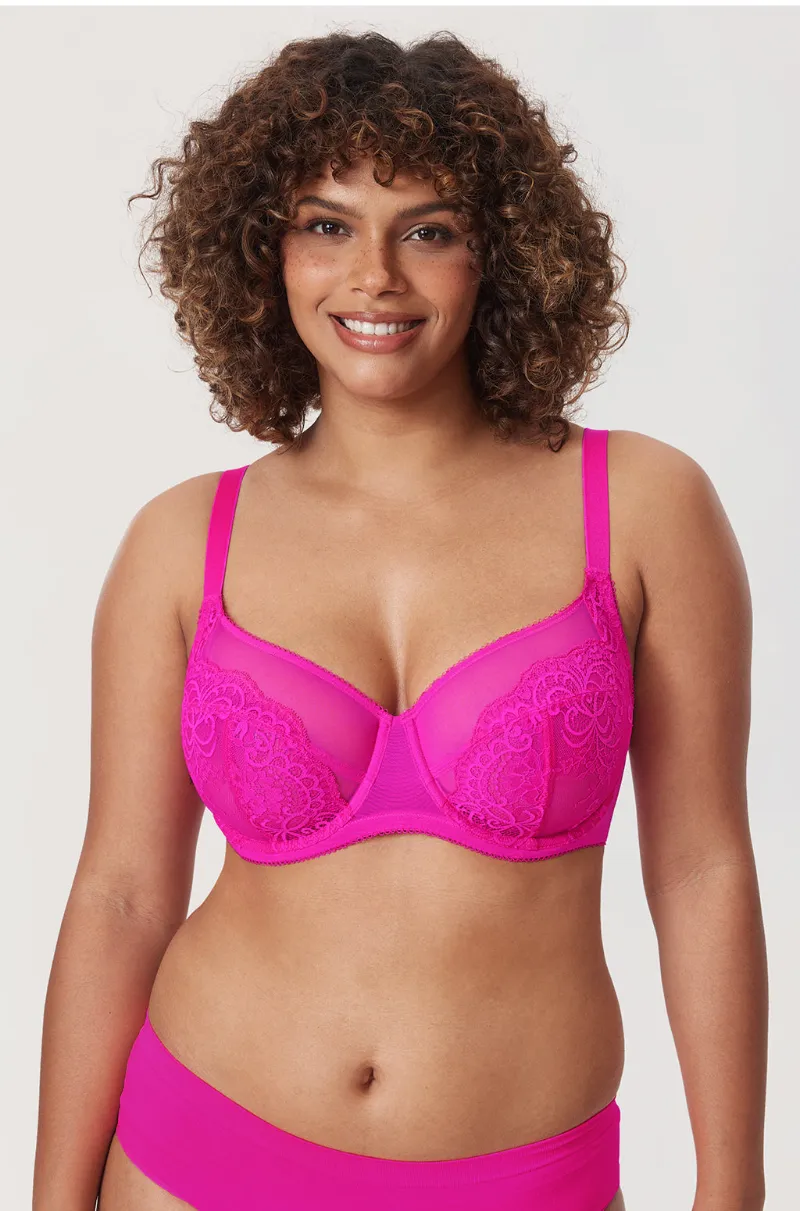
A lace bra designed for nursing delivers both elegance and function when you choose stretchy fabric, the correct band size, and clips that open with one hand. Most nursing parents want something prettier than basic cotton but worry lace will feel scratchy or restrictive. The good news is that modern lace nursing styles use soft nylon or modal blends that stretch with fluctuating breast size while looking polished under everyday clothing.
We tested dozens of nursing bras in our lab and found that the most comfortable designs share three traits: a band that stays put without digging in, lace that lies flat against skin, and clips positioned high enough to fold the cup down fully. Below we walk through exactly how to measure yourself, which lace constructions work best for nursing, and how to spot a bra that will actually stay comfortable through multiple feedings a day.
Why Lace Works for Nursing Bras
Lace adds visual appeal without adding bulk, which matters when you are already managing breast pads and potential leaks. High-quality lace bras use elastic fibers woven into the pattern so the fabric moves with you rather than pulling or puckering. Look for styles labeled wireless or wire free, since underwires can press into milk ducts and cause blocked ducts or mastitis.
Many nursing parents appreciate that a lace bra in white or black coordinates with most outfits and feels more like pre-pregnancy lingerie. Essenther designs prioritize stretch lace that recovers its shape after washing, so you are not constantly replacing stretched-out bands. Check the latest styles and grab the code to see current lace nursing options.
Measure Your Band and Cup Size Accurately
Nursing breast size fluctuates throughout the day, so measure yourself when your breasts feel average, not engorged or just after pumping. Wrap a soft tape measure snugly around your ribcage directly under your bust and round to the nearest even number for your band size. Then measure around the fullest part of your bust and subtract your band measurement; each inch of difference equals one cup size.
Most people need to go up one or two cup sizes during nursing while keeping the same band or dropping one band size if postpartum swelling has resolved. We recommend measuring every six to eight weeks because breast volume changes as your baby grows and feeding frequency shifts. A well-fitted lace nursing bra should feel snug on the loosest hook when new, giving you room to tighten the band as elastic relaxes over time.
- Measure band size under the bust, rounding to an even number
- Measure cup size at the fullest part of the bust
- Subtract band from bust measurement (1 inch = A cup, 2 inches = B cup, and so on)
- Remeasure every six to eight weeks as nursing progresses
Choose Stretch Lace Over Rigid Fabrics
Not all lace behaves the same way. Rigid Chantilly or Calais lace looks beautiful but offers zero give, which means the bra will not accommodate size changes between feedings. Instead, look for stretch lace made with nylon, spandex, or elastane blends that expand and contract without losing their pattern. Stretch lace options typically include at least 10 to 15 percent spandex.
Soft cup styles, also called wireless bras, pair stretch lace with a flexible foam or fabric lining that provides shaping without compression. These work especially well for nursing because they do not have hard edges or rigid seams that dig in when breasts fill with milk. If you prefer more structure, a wire free bras option with side boning and a wide band offers support without the risk of underwire pressure.
Look for One-Handed Clip Access
Nursing clips come in two main styles: top-opening (the clip sits at the bra strap) and front-opening (the clip sits at the cup center). Top-opening clips are easier to manage with one hand, which is essential when you are holding a baby. Test the clip mechanism before buying; you should be able to squeeze it open and guide the cup down without tugging or twisting the fabric.
Some lace nursing designs include a drop-away cup that folds down completely, exposing your entire breast for easier latching. Others have a panel that unclips but stays partially attached, which offers more coverage in public. Neither style is universally better, so choose based on where you plan to nurse most often. The lace overlay should not bunch or roll when the cup is folded down, which can irritate skin or distract your baby during feeding.
Compare Lace Nursing Styles
Different lace constructions suit different needs. Here is how the most common styles stack up for nursing use:
| Style | Best For | Watch Out For |
|---|---|---|
| Full lace overlay | Evening wear, special occasions | May show texture under thin shirts |
| Lace trim only | Daily wear, layering under work clothes | Less visual interest than full lace |
| Stretch lace with modal lining | All-day comfort, fluctuating size | May need sizing up for engorgement |
We find that lace trim styles balance aesthetics with practicality for most nursing parents. A band and straps in lace with a smooth cup lining prevents the itchy feeling some people get from all-over lace while still delivering the polished look you want. Browse lace options and check pricing to compare current Essenther inventory.
Pair with Other Comfortable Essentials
Nursing often means long stretches on the couch or in a rocker, so comfortable clothing from the waist down matters too. Many of our readers pair their nursing bras with flare leggings or fleece lined sweatpants for a put-together look that does not require a waistband adjustment every time you shift position. If you are returning to work or want a bit more support during active days, consider layering your lace nursing bra under a yoga bra for gentle compression without restricting milk flow.
For nighttime feedings, some people switch to a softer unwired bra that requires less fiddling with clips in the dark. Lace styles work beautifully during the day when you want to feel confident and human, while a simpler sleep bra handles overnight duty. Having two or three bras in rotation lets you wash frequently without waiting for a single bra to air-dry.
Care for Lace to Extend Its Life
Lace fabric needs gentler treatment than plain jersey or cotton. Hand wash or use a mesh lingerie bag on your machine's delicate cycle with cool water and a mild detergent. Skip fabric softener, which coats elastic fibers and reduces stretch over time. Hang or lay flat to dry rather than using a dryer, since heat breaks down spandex and causes lace to pucker or shrink.
Nursing bras take a beating from frequent washing and the occasional milk leak, so inspect the lace and elastic every few weeks. Replace any bra with stretched-out bands, loose clips, or frayed lace edges. A worn-out band will not provide adequate support, which can lead to back or shoulder pain as your breasts fluctuate in weight throughout the day. Essenther offers a range of lace and wireless styles so you can refresh your rotation as needed.
- Hand wash or use a mesh bag on delicate cycle
- Skip fabric softener to preserve elastic
- Air dry flat or hanging, never in the dryer
- Replace bras with stretched bands or damaged clips
- Keep two to three bras in rotation for easier laundering
Frequently asked questions
Can I wear a lace nursing bra overnight?
You can, but most people find a softer unwired sleep bra more comfortable for nighttime feedings. Lace can feel scratchy when you are half asleep, and clips are harder to manage in the dark.
How do I know if the lace will irritate my skin?
Look for stretch lace with a smooth modal or cotton lining against the skin. Avoid rigid lace with exposed seams, and wash the bra before wearing to soften any stiff fibers.
Do lace nursing bras provide enough support for larger cup sizes?
Yes, if you choose a style with a wide band, adjustable straps, and side boning. Wire-free designs can support D cup and above when the band fits snugly and the lace has good recovery.
How many nursing bras should I own?
We recommend at least three so you always have one to wear, one in the wash, and one as backup. This rotation extends the life of each bra and ensures you are never caught without a clean option.
Can I convert a regular lace bra into a nursing bra?
Not easily. Nursing clips require reinforced stitching and specific placement to support the weight of a folded cup. It is safer and more comfortable to buy a bra designed for nursing from the start.
Will a lace bra show through my work shirts?
Lace trim styles are less visible than full lace overlays. Choose a nude or white lace bra under light colors and black under dark fabrics, and check the texture in natural light before heading out.