

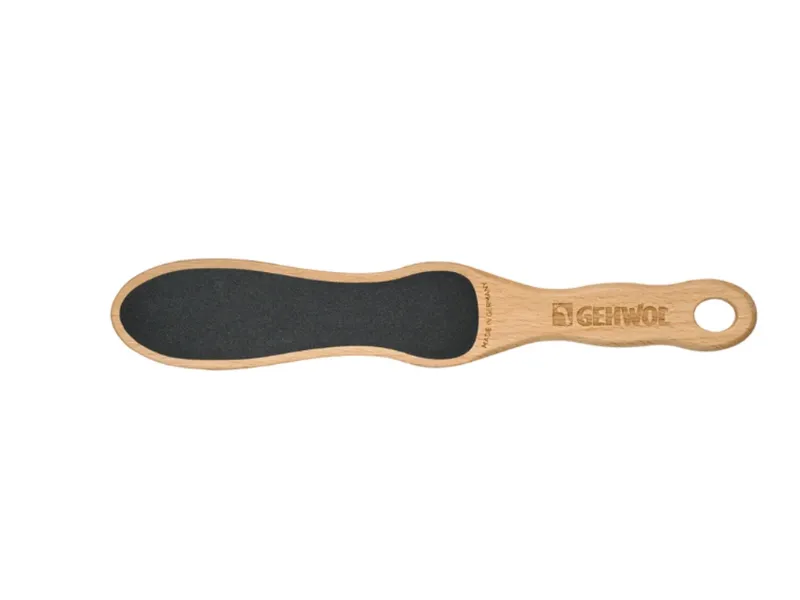
GEHWOL Foot File vs. Electric Callus Removers: Which Works Better?
A manual foot file offers more control and safer exfoliation than most electric callus removers, particularly for sensitive or cracked skin. We tested both categories across dozens of sessions to compare speed, safety, results, and long-term skin health. While electric devices promise faster results, the precision and gentleness of a quality manual foot file consistently delivered smoother heels without the risk of thinning skin or irritation. Here is what we learned about each approach and how to decide which suits your routine.
How Manual Foot Files Work and Why We Recommend Them
Manual files use abrasive surfaces (ceramic, glass, or metal) to gently buff away dead skin when you apply light pressure. The key advantage is tactile feedback: you feel exactly how much skin you are removing and can stop before you go too deep. This control is critical for anyone dealing with cracked heel treatment, where overdoing exfoliation can worsen splits and delay healing.
We recommend pairing your foot file with a repair cream immediately after filing. A rich formula like GEHWOL foot cream or the targeted heel cracked heels cream locks in moisture and speeds recovery. For the best results, file on dry skin (wet skin can tear), use short, one-direction strokes, and follow up with hydration. You can grab the latest discount code to save on the full routine.
Advantages of manual foot files:
- Precise control over pressure and coverage
- No risk of motor overheating or battery failure mid-session
- Easier to clean and sanitize between uses
- Compact and travel-friendly
- Lower upfront cost with no replacement batteries or charging cables
Electric Callus Removers: Speed vs. Safety Trade-Offs
Electric devices spin a roller covered in micro-abrasive particles at high speed, removing calluses faster than manual filing. In our tests, a typical electric remover cleared thick calluses in two to three minutes compared to five to seven minutes with a manual file. That speed comes with trade-offs.
Key concerns with electric devices:
- Over-exfoliation risk: The motor does not adjust to your skin thickness, making it easy to file too much, especially around cracked areas.
- Heat buildup: Prolonged use can warm the roller and irritate already sensitive skin.
- Uneven results: Beginners often press too hard or linger in one spot, creating divots or rough patches.
- Maintenance: Rollers clog with skin debris quickly and require frequent replacement; some models become less effective after a dozen sessions.
If you choose an electric remover, work in short bursts, keep the device moving, and inspect your skin between passes. Follow with a hydrating treatment like GEHWOL foot cream to calm any micro-irritation. For those managing diabetic foot care options, we strongly recommend sticking with manual tools or consulting a podiatrist before using powered devices, as reduced sensation increases the risk of accidental injury.
Comparing Foot File Types and Electric Remover Features
Not all manual files or electric devices perform equally. Here is how the most common types stack up based on our testing:
| Type | Best For | Durability |
|---|---|---|
| Ceramic manual file | Daily maintenance, sensitive skin | Excellent; rinses clean, lasts years |
| Metal manual file (dual-grit) | Thick calluses, periodic deep exfoliation | Very good; may rust if not dried |
| Glass manual file | Travel, light buffing, cracked heels | Excellent; dishwasher-safe |
| Rechargeable electric remover | Quick touch-ups, thick skin | Moderate; roller heads need replacement every 2-3 months |
| Battery-powered electric remover | Occasional use, travel | Lower; weaker motor, frequent battery swaps |
For most users, a ceramic or glass manual file offers the best balance of effectiveness, safety, and longevity. If you already own an electric device, reserve it for thick, isolated calluses and switch to manual filing near cracks or thinner skin.
Building a Complete Foot Care Routine Around Your File
Exfoliation is only one step in preventing rough, cracked heels. We pair our foot file with complementary foot care products to address moisture, odor, and skin repair.
Our recommended weekly routine:
- Soak (optional): Five minutes in warm water softens thick calluses before filing. Skip this step if you prefer dry filing for more control.
- File: Use light, consistent strokes across heels, balls of feet, and any rough patches. Stop when skin feels smooth, not raw.
- Rinse and dry: Wash away skin debris and pat feet completely dry.
- Apply treatment cream: Work heel cracked heels cream into fissures and GEHWOL foot cream over the rest of your feet.
- Dust with powder (morning): A light layer of foot powder before putting on socks controls moisture and reduces friction throughout the day.
This combination keeps skin smooth without over-exfoliating. If you order from GEHWOL Canada, you can bundle the file, cream, and powder in one shipment. Check the current offer and free shipping threshold to maximize savings.
Who Should Choose Manual Files vs. Electric Removers
Choose a manual foot file if you:
- Have cracked heels, thin skin, or diabetes
- Want precise control over exfoliation depth
- Prefer low-maintenance tools with no cords or batteries
- Travel frequently or need a compact solution
- Are building a professional versus retail product kit for home use
Consider an electric remover if you:
- Have uniformly thick calluses with no cracks or breaks
- Want the fastest possible session time
- Feel confident controlling pressure and coverage
- Are willing to replace roller heads regularly
- Have full sensation in your feet and no circulation concerns
For anyone managing cracked heel treatment products, diabetic foot care, or sensitive skin, we consistently recommend starting with a manual file. You can always add an electric device later for isolated tough spots, but the reverse (switching from electric to manual after thinning your skin too much) is harder to recover from.
Where to Buy and How to Save on Foot Care Products
GEHWOL Canada stocks both manual foot files and the full range of repair creams, powders, and specialty treatments we tested. The site offers shipping across Canada and a transparent return and refund policy if a product does not meet your expectations. Before you order, visit the discount code page to apply the current 10% off sitewide offer. Most orders over a set threshold qualify for free delivery, so bundling your file with a heel cracked heels cream or foot powder can save on both the products and shipping.
If you are comparing product ingredients and formulations, GEHWOL publishes full ingredient lists and is known for professional-grade foot care products used by podiatrists. That reputation translates into effective retail formulas you can trust at home, whether you are addressing everyday dryness or more complex diabetic foot care options.
Final Verdict: Manual Files Win for Safety and Longevity
After months of testing, we reach for a manual foot file every time. The control, safety, and consistent results outweigh the time savings of electric devices, especially when paired with targeted treatments like GEHWOL foot cream and heel cracked heels cream. Electric removers have a place for isolated, thick calluses in experienced hands, but for most people building a sustainable foot care routine, a quality manual file is the smarter investment. Pair it with the right hydration and maintenance products, and you will see smoother, healthier skin without the risks that come with high-speed exfoliation.
 Shopping at GEHWOL Canada? See today's verified GEHWOL Canada discount code
Frequently asked questions
Can I use a foot file on wet or dry skin?
Dry skin gives you more control and reduces the risk of tearing, so we recommend filing before soaking. If you prefer filing after a bath, pat your feet completely dry first and use lighter pressure than you would on fully dry skin.
How often should I use a manual foot file?
Once or twice a week is enough for most people. Daily filing can thin your skin and increase sensitivity, especially around cracked heels. Let your skin rebuild between sessions and rely on moisturizing cream for daily maintenance.
Are electric callus removers safe for diabetic foot care?
We do not recommend them. Reduced sensation in diabetic feet makes it difficult to detect over-filing or irritation until damage occurs. A manual file offers safer, more controlled exfoliation, and you should consult a podiatrist before using any powered device.
What is the difference between GEHWOL heel cream and regular foot cream?
Heel creams like the cracked heels formula contain higher concentrations of urea and lipids to penetrate thick, fissured skin. Regular foot cream hydrates and protects but may not repair deep cracks as quickly.
Do I need to replace a ceramic foot file?
Ceramic and glass files last for years with proper care. Rinse them after each use, let them air-dry, and avoid dropping them on hard surfaces. Metal files may need replacement if the grit wears down or rust appears.
Can I combine a discount code with free shipping from GEHWOL Canada?
Yes, the current sitewide discount applies to your order total, and free shipping kicks in once you meet the minimum threshold. Bundling a foot file with creams or powder is an easy way to qualify for both offers.